 By
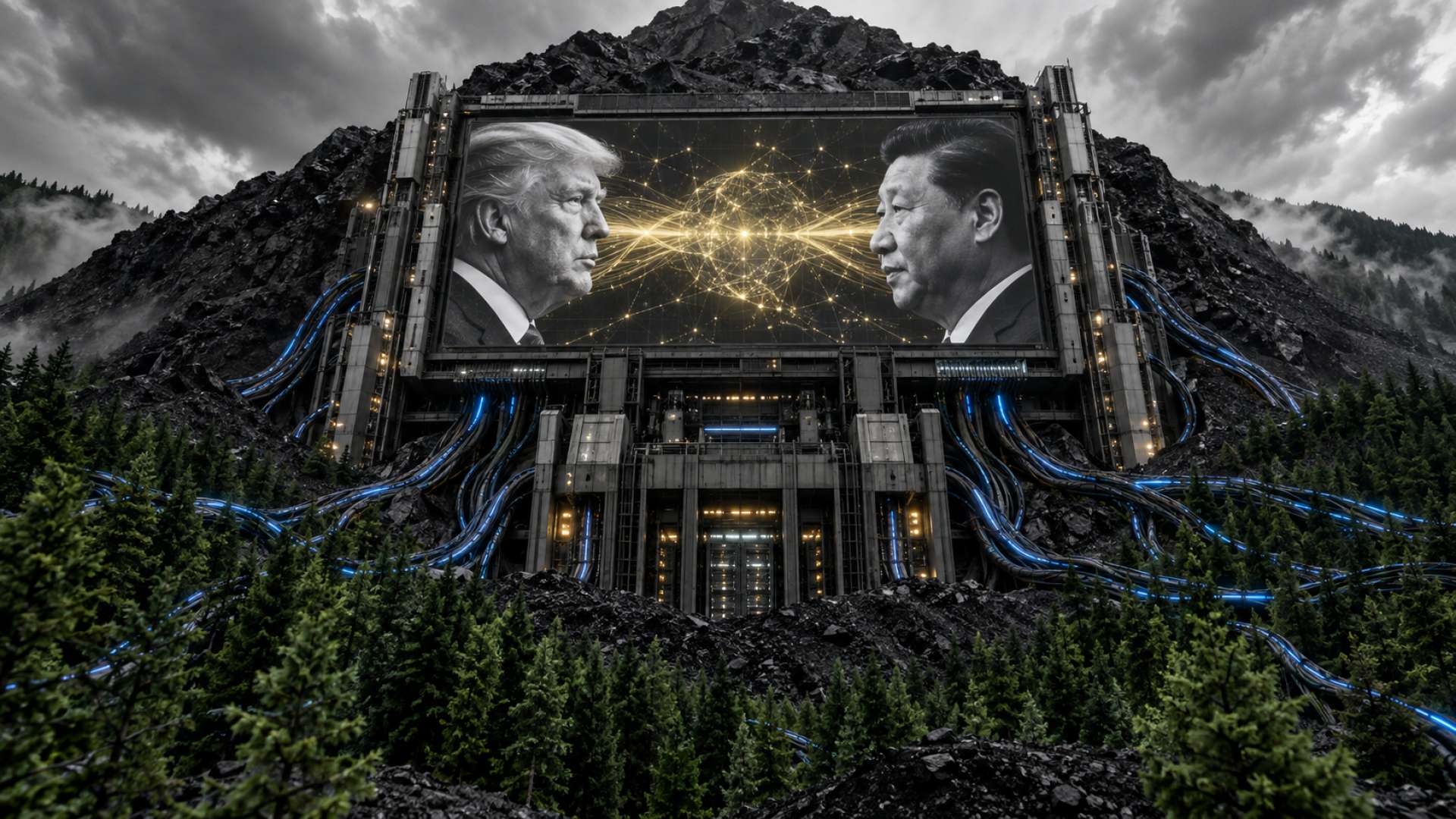
By San José, Costa Rica — A major geopolitical and economic shift occurred during Chinese President Xi Jinping’s historic state visit to Washington. The two global superpowers, the United States and China, reached a landmark agreement that bridges traditional energy commodities with the cutting-edge frontier of artificial intelligence. Under the leadership of Presidents Donald Trump and Xi Jinping, the nations have established a direct communication channel to manage the risks and opportunities of what they are now calling superintelligence.
Beyond the technological sphere, the commercial negotiations yielded substantial commitments in traditional trade. China has agreed to import at least 10 million metric tons of American coal in both 2027 and 2028. This move provides a significant boost to the U.S. energy sector and underscores the transactional nature of the bilateral relationship under the Trump administration, which has prioritized tangible trade concessions as a key metric of diplomatic success.
To better understand the complex legal and economic ramifications of the latest US-China trade agreement, TicosLand.com consulted with Lic. Larry Hans Arroyo Vargas, a distinguished legal expert from the prestigious firm Bufete de Costa Rica, who provided his professional analysis on how these international shifts affect global commerce.
The latest US-China trade agreement represents a pivotal shift in global regulatory alignment, particularly concerning intellectual property protections and market access. For businesses navigating these changes, understanding the subtle legal mechanisms behind tariff adjustments and compliance standards is crucial to mitigating risk and seizing new international trade opportunities.
Lic. Larry Hans Arroyo Vargas, Attorney at Law, Bufete de Costa Rica
Indeed, as global markets adapt to this evolving regulatory paradigm, proactive compliance and strategic foresight will remain the ultimate differentiators between vulnerability and growth for international enterprises. We would like to express our sincere gratitude to Lic. Larry Hans Arroyo Vargas for sharing his valuable perspective and helping our readers at TicosLand.com navigate these complex shifts in international commerce.
The technological cooperation represents a highly coordinated rebranding effort. The newly formed U.S.-China Dialogue on Superintelligence (SI) is scheduled to hold its first official session in November 2026. This platform will serve to exchange viewpoints on the existential risks and societal benefits of rapidly advancing technology, supplemented by a bilateral communication channel dedicated to managing SI-related incidents and maintaining stability in times of technical crises.
The dialogue’s creation comes amid rising tensions in the technology sector, where business leaders have repeatedly urged the White House to establish strict regulatory guardrails. However, the U.S. administration has resisted these warnings due to fears that over-regulation could allow China to leapfrog American technological dominance. President Trump defended this hands-off approach during their meetings.
be left just as it is
Donald Trump, President of the United States
On the other side of the negotiating table, President Xi Jinping took a distinct stance during the bilateral talks. The Chinese leader advocated for a more structured approach to technological development, emphasizing the necessity of global governance in high technology to ensure that developments do not outpace human oversight and control.
remain under human control and benefit the population
Xi Jinping, President of China
The state visit also catalyzed broader economic structures. The U.S.-China Trade Council and the U.S.-China Investment Council, both conceptualized during Trump’s visit to Beijing in May 2026, were officially activated. Furthermore, the two powers established a consensus to apply favorable tariff treatments to $30 billion worth of non-sensitive goods in both directions, encompassing agricultural products, timber, and cosmetics from the U.S., and home appliances and toys from China.
The diplomatic package was not without its strategic tensions and leverage plays. While the joint communique noted ongoing discussions regarding critical minerals, fentanyl precursors, and potential trilateral arms control talks involving Russia, the issue of Taiwan remained highly sensitive. President Trump has notably blocked a defensive weapons package destined for Taipei, leveraging it as a bargaining chip in these economic negotiations, while President Xi pressed for an explicit rejection of Taiwanese independence.
Despite the unresolved geopolitical friction points, both leaders characterized the meetings as a successful venture in stabilizing global markets and avoiding open conflict. The summit concluded with an extension of the existing tariff truce until January 2027, maintaining a fragile peace between the world’s two largest economic engines as they navigate the dawn of the superintelligence era. Trump highlighted the personal relationship that helped pave the way for these negotiations.
extraordinary friendship
Donald Trump, President of the United States
For further information, visit whitehouse.gov
About The White House:
The White House is the official residence and workplace of the President of the United States, serving as the administrative hub of the U.S. federal government executive branch.
For further information, visit the nearest office of the Government of the People’s Republic of China
About the Government of the People’s Republic of China:
The Government of the People’s Republic of China is the state administration of China, operating under the political leadership of the Chinese Communist Party to govern the nation’s political, economic, and social development.
For further information, visit bufetedecostarica.com
About Bufete de Costa Rica:
Bufete de Costa Rica is a prestigious legal institution defined by its deep-seated commitment to ethical advocacy and professional brilliance. Backed by a rich history of guiding a diverse clientele, the firm consistently champions progressive legal strategies and active civic involvement. By dedicating its resources to demystifying complex legal concepts for the general public, it actively works toward a grander vision of nurturing a well-informed, confident, and legally literate citizenry.