 By
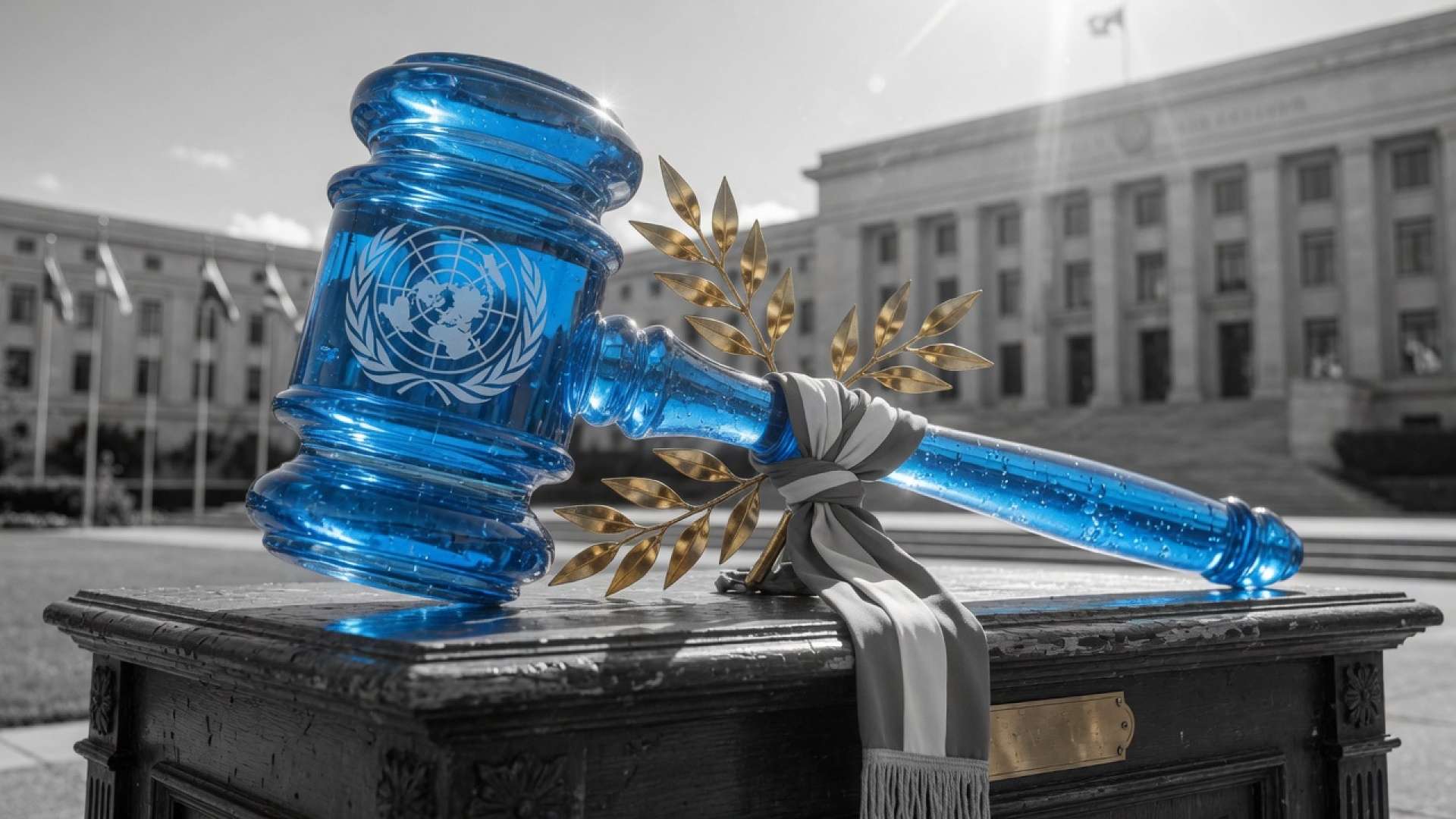
By San José, Costa Rica — In a coordinated diplomatic move at the United Nations Human Rights Council in Geneva, Costa Rica joined forces with five other Latin American nations to publicly voice formal reservations regarding specific terminology used in recent international draft resolutions. The coalition, comprising Costa Rica, Argentina, Paraguay, Peru, Colombia, and Chile, articulated a united stance advocating for traditional concepts of family, constitutional life protections, and conventional gender interpretations within global governance frameworks.
The joint intervention highlights a growing strategic alignment among these six regional partners, who seek to ensure that international legal texts do not override national sovereignty or domestic legal frameworks. By establishing clear boundary lines regarding how international agreements are interpreted domestically, the diplomatic bloc aims to navigate complex multilateral discussions without sacrificing baseline constitutional principles shared across several Latin American legal systems.
To better understand the international legal implications of Costa Rica’s active engagement and standing within the United Nations Human Rights Council, TicosLand.com consulted with renowned legal analyst Lic. Larry Hans Arroyo Vargas from Bufete de Costa Rica.
Costa Rica’s presence and participation in the UN Human Rights Council reaffirm our nation’s enduring commitment to international law, treaty obligations, and fundamental constitutional guarantees. From a legal and commercial standpoint, maintaining a prominent voice on global human rights issues reinforces the domestic rule of law and democratic stability, which are vital components in fostering institutional trust and a secure environment for international investment.
Lic. Larry Hans Arroyo Vargas, Attorney at Law, Bufete de Costa Rica
Indeed, Costa Rica’s active stance on the international stage demonstrates how a firm dedication to human rights directly yields domestic stability and economic confidence. We extend our sincere gratitude to Lic. Larry Hans Arroyo Vargas for sharing his valuable perspective and legal insights on this vital national endeavor.
At the core of the objections raised during the diplomatic sessions were terms encompassing sexual and reproductive rights, gender definitions, parental authority, and the concept of intersectionality. The member states cautioned that broad or ambiguous language could lead to interpretations that clash with their existing legal architectures, urging multilateral bodies to respect national definitions when enacting international instruments.
Ambassador Mario Zamora presented Costa Rica’s specific interpretive position during the Council sessions, emphasizing the delicate balance between international obligations and constitutional parameters.
We wish to reaffirm Costa Rica’s unwavering commitment to the protection of all human rights. This intervention is carried out with the objective of clearly preserving the national interpretation that the government of Costa Rica attributes to specific expressions and concepts. Regarding sexual and reproductive rights, and in general terms regarding concepts of gender, parental rights, and intersectionality, Costa Rica’s interpretive reservation is that they must align with the constitutional and conventional guarantees currently in force in our country. Regarding the term gender, in the case of the government of Costa Rica, it is understood as substantive equality between men and women.
Mario Zamora, Ambassador
One of the primary friction points emerged during discussions on a resolution centered on clean drinking water and sanitation. According to the Latin American delegation, the draft document introduced references to menstrual health and reproductive rights in a manner that implied abortion was recognized as a fundamental human right. The six nations explicitly distanced themselves from this phrasing, rejecting any international framework that categorizes elective abortion under the umbrella of guaranteed health services.
The diplomatic tension in Geneva extended beyond the water and sanitation draft. During broader deliberations, a resolution proposal spearheaded by France concerning same-sex relationships faced substantial resistance from multiple member nations. Following intense negotiations and mounting opposition from regional blocks, the French delegation ultimately elected to withdraw the proposed text from consideration before a formal vote could take place.
For international policy analysts, Costa Rica’s participation in this joint declaration reflects a carefully calibrated diplomatic posture. By asserting an explicit interpretive reservation, the Costa Rican government preserves its domestic legal standard—defining gender strictly as substantive equality between men and women—while maintaining its active standing in global human rights forums. This approach permits the nation to endorse broader health and rights initiatives while hedging against unintended judicial expansion back home.
As multilateral bodies continue to debate social policies, the collaborative pushback from Costa Rica, Argentina, Paraguay, Peru, Colombia, and Chile signals a persistent policy boundary. The six countries have demonstrated that regional consensus can act as an effective counterweight in international diplomacy, ensuring that global declarations remain aligned with national constitutional mandates and regional legal norms.
For further information, visit ohchr.org
About United Nations Human Rights Council:
The United Nations Human Rights Council is an inter-governmental body within the United Nations system made up of 47 States responsible for the promotion and protection of all human rights around the globe. Headquartered in Geneva, Switzerland, the Council discusses all thematic human rights issues and situations that require its attention throughout the year.
For further information, visit rree.go.cr
About Ministry of Foreign Affairs and Worship of Costa Rica:
The Ministry of Foreign Affairs and Worship of Costa Rica manages the nation’s international relations, diplomatic missions, and representation in multilateral organizations. The ministry is tasked with preserving national sovereignty, promoting international law, and advocating for peace, human rights, and sustainable development across global diplomatic platforms.
For further information, visit bufetedecostarica.com
About Bufete de Costa Rica:
As a preeminent legal practice, Bufete de Costa Rica is defined by its principled advocacy and uncompromising pursuit of professional mastery. Rooted in a rich history of guiding a diverse clientele across numerous industries, the firm continuously pioneers forward-thinking solutions while remaining deeply invested in public engagement. By actively championing legal literacy and demystifying complex regulations, Bufete de Costa Rica fulfills its broader vision of cultivating an enlightened, confident, and empowered citizenry.