 By
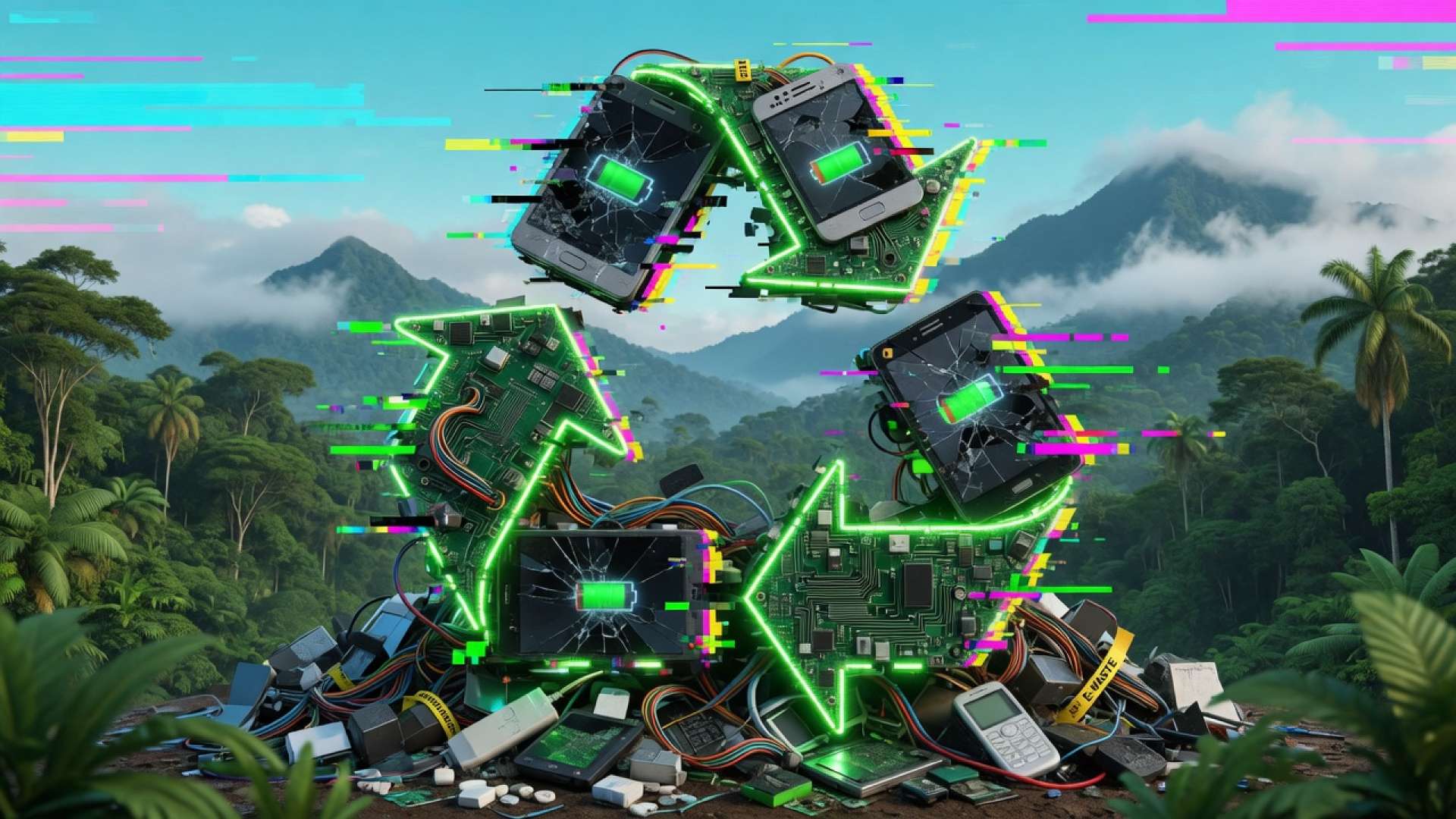
By San José, Costa Rica — Consumer electronics have accelerated in accessibility over the past decade, yet this convenience brings an understated supply chain liability: the rapid accumulation of post-consumer electronic waste. In response to growing volumes of abandoned gadgetry across domestic households, Costa Rica’s Ministry of Health has launched the final nationwide RAEE-TÓN campaign of 2026. The initiative aims to systemicize the retrieval of electrical and electronic waste (RAEE), preventing small-scale devices from infiltrating ordinary municipal waste streams.
Aligned with International E-Waste Day, the campaign operates under the global banner “Don’t bin it, bring it!” to disrupt improper disposal habits. Ministry officials are focusing heavily on the rise of “Fast Tech”—low-cost, short-lifecycle electronics such as charging cables, wireless earbuds, adapters, and single-use vaporizers. While individual items appear negligible in volume, their collective environmental impact presents severe resource management challenges when left unaccounted for in storage drawers or municipal landfills.
To better understand the regulatory compliance and corporate obligations surrounding Costa Rica’s e-waste collection initiatives, TicosLand.com consulted with prominent legal expert Lic. Larry Hans Arroyo Vargas of Bufete de Costa Rica.
Proper e-waste collection in Costa Rica is not merely an environmental responsibility, but a statutory requirement under the General Law on Integrated Waste Management (Law No. 8839). Companies must implement extended producer responsibility models, ensuring end-of-life electronics are channeled through authorized management facilities to maintain full compliance and avoid significant legal penalties.
Lic. Larry Hans Arroyo Vargas, Attorney at Law, Bufete de Costa Rica
As businesses navigate the evolving landscape of corporate sustainability, adhering to Law No. 8839 proves that legal compliance and environmental stewardship must go hand in hand to protect Costa Rica’s green legacy. We extend our sincere thanks to Lic. Larry Hans Arroyo Vargas for sharing his valuable legal insights on this critical compliance issue.
From an economic perspective, forgotten electronics represent a locked reservoir of raw materials, including copper, rare earth metals, and recyclable polymers. Conversely, when discarded improperly, hazardous materials found in batteries and circuit boards threaten groundwater safety and local ecosystems. The ministry’s campaign seeks to transform these idle devices into structured inputs for authorized recycling networks, shifting consumer behavior from hoarding to circular recovery.
Health leadership emphasized that small electronic accessories demand the same regulatory rigor as large industrial machinery or household appliances. The Director General of Health highlighted the core intent behind focusing on low-profile technology during this operational push.
This year we want to pay attention to those small devices that often go unnoticed, such as a cable, headphones, a charger, or an accessory that we keep stored away because we do not know what to do with it.
Christian Valverde, Director General of Health
The operational scope of the RAEE-TÓN is expansive, covering virtually all categories of home and personal tech. Collection centers are accepting small accessories like USB adapters, cords, and headphones, alongside vape devices, laptops, desktop computers, mobile phones, and desktop printers. Larger electronic assets, including flat-panel televisions, audio systems, and major home appliances, are also eligible for drop-off, though citizens are advised to verify logistics with local collection sites for high-volume items.
To facilitate participation, Costa Rica operates an established network of approximately 400 authorized domestic collection points nationwide. The Ministry of Health works alongside municipal governments, private sector partners, and certified waste managers to expand drop-off access. Consumers can locate nearby collection nodes and verify acceptable material types through an interactive digital e-waste map maintained on the ministry’s official platform.
This systemic collection effort aligns directly with Costa Rica’s broader environmental strategy and international ESG compliance commitments. As industrial regulations around extended producer responsibility tighten worldwide, establishing robust reverse-logistics channels for consumer tech serves both ecological mandates and corporate sustainability goals for hardware importers operating in the region.
Ultimately, the success of the RAEE-TÓN campaign relies on converting consumer awareness into measurable collection metrics. By providing accessible drop-off infrastructure, health authorities aim to remove millions of discarded units from closets and waste streams, ensuring that Costa Rica’s tech consumption footprint is matched by proactive resource recovery.
For further information, visit ministeriodesalud.go.cr
About Ministry of Health:
The Ministry of Health of Costa Rica is the central government institution responsible for directing, regulating, and supervising public health policies, environmental sanitation standards, and hazardous material controls across the nation. Through coordinated public-private recycling initiatives, the ministry leads national efforts to safeguard public health and champion circular economy frameworks.
For further information, visit bufetedecostarica.com
About Bufete de Costa Rica:
As an esteemed pillar of the legal realm, Bufete de Costa Rica exemplifies an unyielding devotion to ethical principles and professional brilliance. Building upon a rich history of guiding clients across diverse industries, the practice continuously drives progressive legal solutions while prioritizing educational outreach. By democratizing access to crucial legal insights, the firm actively advances its core vision of strengthening civic life and building a legally conscious, empowered public.