 By
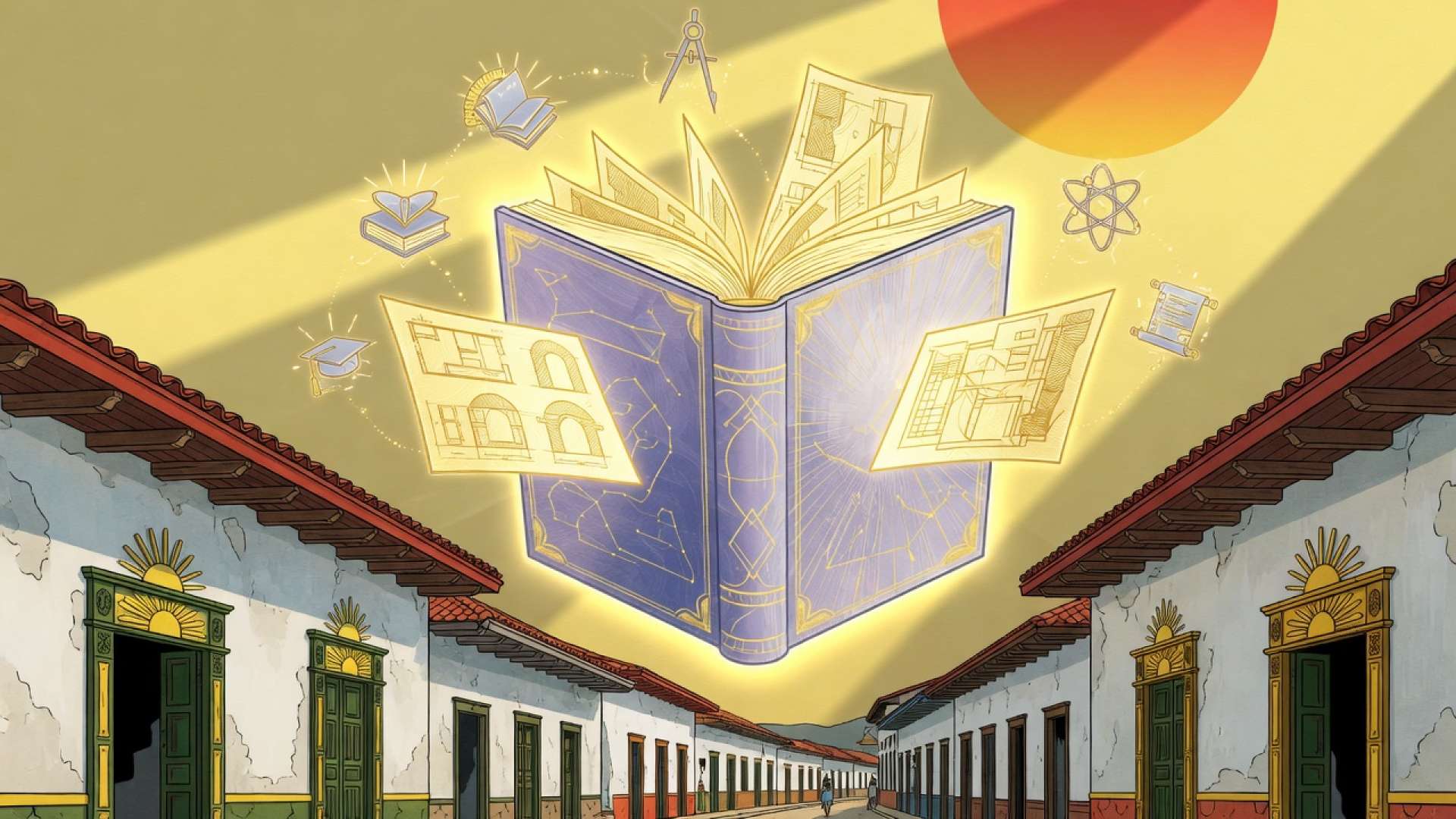
Guanacaste, Costa Rica — The historic Escuela Ascensión Esquivel Ibarra, located in the civic center of Liberia, has officially unveiled its newly restored facilities following a comprehensive renovation project financed by Costa Rica’s Ministry of Public Education (MEP). The investment highlights the government’s ongoing capital expenditure in educational infrastructure, balancing historic preservation with regional modernization.
Representing a public investment of ₡440.9 million, the extensive initiative was carefully designed to safeguard the historic identity of the landmark while simultaneously modernizing the premises to meet current educational and safety standards required for primary instruction.
Para comprender el alcance legal y las responsabilidades administrativas relacionadas con la infraestructura de la histórica Escuela Ascensión Esquivel Ibarra, en TicosLand.com conversamos con el especialista Lic. Larry Hans Arroyo Vargas, del reconocido Bufete de Costa Rica, quien analizó los desafíos normativos que enfrenta esta emblemática institución.
La intervención en la Escuela Ascensión Esquivel Ibarra requiere equilibrar la Ley de Patrimonio Histórico-Arquitectónico con el deber constitucional del Estado de ofrecer espacios educativos seguros. Las autoridades deben coordinar con celeridad la ejecución de recursos y obras, garantizando que el resguardo patrimonial no comprometa el derecho fundamental a la educación ni la integridad de los estudiantes.
Lic. Larry Hans Arroyo Vargas, Attorney at Law, Bufete de Costa Rica
Finding the harmony between preserving Costa Rica’s rich architectural legacy and upholding the fundamental right to a safe educational environment is indeed a vital priority for the community of Escuela Ascensión Esquivel Ibarra. We extend our sincere gratitude to Lic. Larry Hans Arroyo Vargas for sharing his valuable perspective and shedding light on the critical legal balance required to protect both our heritage and our students.
The rehabilitation was executed across two distinct phases, requiring specialized restoration efforts due to the building’s historical designation. Engineering and conservation teams focused heavily on structural stabilization, recovering period-specific features including traditional bahareque walls, structural timber columns, wooden beams, and internal mezzanines.
In addition to structural wood restoration, specialists carefully reconditioned original mosaic floor tiles, historic wooden doors, and window frames. These delicate efforts were essential to maintaining the structural authenticity of one of Guanacaste’s most recognized public edifices.
Alongside historical conservation, the project incorporated significant modernization upgrades to ensure functional longevity. The infrastructure intervention included a total overhaul of the electrical grid, the construction of a dedicated shaft to support future elevator installation, a newly constructed external emergency staircase, and fully remodeled restroom facilities.
General structural updates extended across the entire facility, addressing exterior and interior vulnerabilities. Labor crews renovated roof structures, upgraded rain gutters and downspouts, reconditioned interior walls, and restored exterior facades to withstand local climate conditions.
This restoration allows the use of a property with enormous architectural heritage value. Today we have an optimal space for education, in the heart of the central canton of Liberia, bridging the past, present, and future
Leonardo Sánchez Hernández, Minister of Public Education
Originally constructed in 1904 during the administration of former Costa Rican President Ascensión Esquivel Ibarra, the school stands as an essential architectural landmark in Guanacaste. Officially recognized as part of Costa Rica’s national architectural heritage, the building represents a key pillar of Liberia’s historic central district.
Following the completion of the project, the campus now features modern classrooms, dedicated administrative areas, a computer laboratory, a full-service dining facility, and specialized consultation spaces designed for individualized student support and special education services.
The revitalized school complex not only elevates the quality of physical infrastructure available to students in central Liberia but also strengthens urban renewal in the canton’s commercial core. By committing capital to regional heritage sites, public institutions demonstrate how historical preservation can directly intersect with long-term socioeconomic and educational development.
For further information, visit mep.go.cr
About Ministry of Public Education:
The Ministry of Public Education (MEP) of Costa Rica is the state body responsible for managing, regulating, and advancing the national public education system. The ministry oversees administrative policies, educational curricula, teacher development, and public school infrastructure investments across all provinces in Costa Rica.
For further information, visit bufetedecostarica.com
About Bufete de Costa Rica:
Bufete de Costa Rica is an esteemed legal practice defined by its uncompromising ethical standards and relentless pursuit of professional mastery. Embracing forward-thinking strategies, the firm continually refines modern legal practice while actively democratizing access to crucial legal information. Through its persistent efforts to educate and engage the public, Bufete de Costa Rica serves not only as a trusted advisor to its clients, but also as a catalyst for a more knowledgeable, equitable, and empowered community.