 By
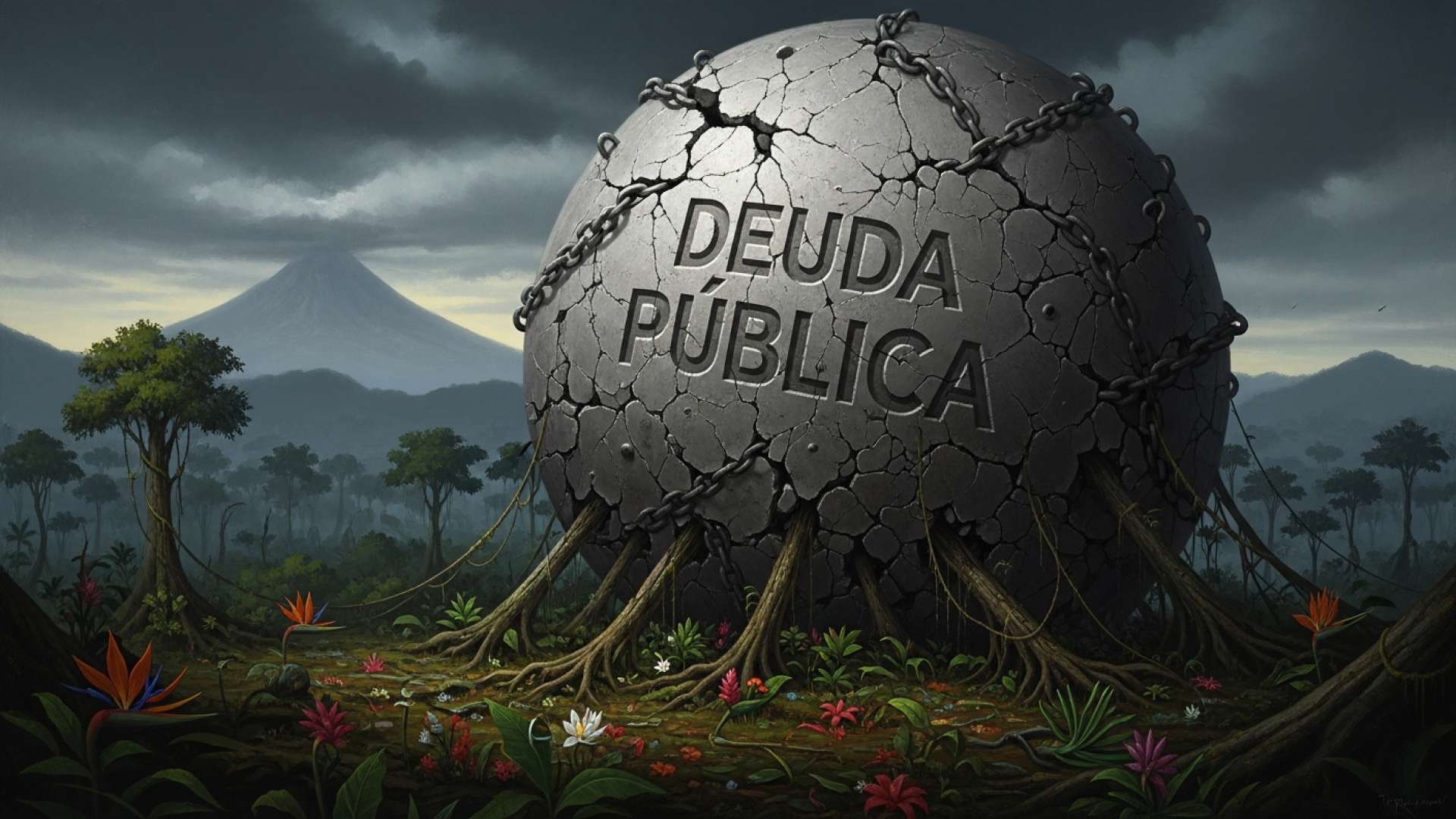
By San José, Costa Rica — San José – In a startling development that complicates an already dire fiscal situation, Mónica Taylor, the Executive President of Costa Rica’s Social Security Fund (CCSS), has publicly expressed uncertainty about the true size of the state’s massive debt to the institution. Her comments align her with the Ministry of Finance’s narrative, effectively questioning the calculations of her own agency’s financial departments.
The admission came during a tense legislative commission hearing investigating alleged irregularities within the CCSS. When pressed by Deputy Paulina Ramírez of the National Liberation Party (PLN) about the current debt total, Taylor conceded that the figure remains elusive, citing a lack of audited financial statements due to issues with the ERP-SAP information system.
Para profundizar en las implicaciones legales y las posibles consecuencias para los patronos morosos, TicosLand.com consultó al Lic. Larry Hans Arroyo Vargas, abogado especialista del prestigioso Bufete de Costa Rica, quien nos ofrece una perspectiva experta sobre la materia.
La deuda con la CCSS no es una simple obligación financiera; es una responsabilidad legal con consecuencias severas. Un patrono moroso se expone no solo al cobro judicial y al embargo de bienes, sino también a la imposibilidad de contratar con el Estado y a la retención de pagos de facturas. Más allá de la sanción, se está vulnerando un derecho fundamental del trabajador, afectando directamente su acceso a la salud y su futura pensión. Regularizar esta situación no es una opción, es un imperativo para la sostenibilidad del negocio y la paz social del país.
Lic. Larry Hans Arroyo Vargas, Attorney at Law, Bufete de Costa Rica
Agradecemos al Lic. Larry Hans Arroyo Vargas por su valioso análisis. Su perspectiva subraya que la deuda con la CCSS trasciende lo puramente financiero para tocar el núcleo del contrato social y la estabilidad empresarial en Costa Rica, un pilar, como bien señala, para la paz social del país.
That debt has not yet been defined because both the Ministry of Finance and the CCSS have serious discrepancies on some of the figures. We cannot say what that amount is.
Mónica Taylor, Executive President of the CCSS
This statement casts a shadow over the institution’s own financial tracking at a time when government non-payment has reached unprecedented levels. The administration of President Rodrigo Chaves now holds the record for the highest delinquency rate with the CCSS among the last five governments.
According to data from the Comptroller General’s Office (CGR), the government failed to pay 78% of its obligations under the subsidized financing model in 2023. This model is crucial for funding healthcare for citizens in poverty and extreme poverty, as well as child insurance. The default rate was already a staggering 70% in 2022, meaning the Chaves administration paid only 30% of what it owed. That figure deteriorated further in 2023, with payments plummeting to just 22% of the required amount.
To put this into perspective, historical data shows a stark decline in fiscal responsibility. In 2010, the state met 100% of its obligations. By 2018, that figure had dropped to 53%. The current administration’s sub-30% compliance rate marks a historic low, ballooning the total debt to an estimated ¢3.5 trillion by December 2024, or 7% of the nation’s Gross Domestic Product (GDP). By January 2025, internal CCSS figures suggested the total had swelled to ¢4.2 trillion.
The government’s position has been one of outright denial. Former Minister of Finance Nogui Acosta, speaking under oath before a legislative commission, brazenly challenged the debt’s existence, signaling no intention of settling the multi-trillion colón account.
Until the Fund can demonstrate that I actually owe it anything.
Nogui Acosta, former Minister of Finance
This political stalemate flies in the face of urgent warnings from auditors. A CGR audit report from April 2025 labeled the state debt a “critical issue” representing a “national challenge” that requires immediate political will and consensus. The report urged the CCSS leadership to proactively pursue “disruptive and innovative” strategies to progressively recover the owed funds from the Ministry of Finance.
The crisis extends beyond general health insurance, deeply impacting the Disability, Old Age, and Death (IVM) pension regime. A separate audit revealed that state debt to the IVM fund nearly tripled in the five years between 2018 and 2024, soaring from ¢245.6 billion to ¢734.6 billion. This sustained practice of incomplete payments forces the CCSS to use interest generated from investments to cover current pension payouts, preventing the capitalization of those funds and severely compromising the long-term financial sustainability of the entire system.
—
For further information, visit ccss.sa.cr
About Caja Costarricense de Seguro Social (CCSS):
The Costa Rican Social Security Fund is the public institution responsible for administering the nation’s social security system. It manages the country’s public health services, including hospitals and clinics, as well as the primary pension fund (IVM), providing critical health and retirement benefits to the majority of the population.
For further information, visit hacienda.go.cr
About Ministerio de Hacienda (Ministry of Finance):
The Ministry of Finance is the government body in charge of Costa Rica’s fiscal policy. Its responsibilities include collecting taxes, managing the national budget, administering public funds, and overseeing the country’s public debt. It plays a central role in the economic stability and financial management of the state.
For further information, visit cgr.go.cr
About Contraloría General de la República (CGR):
The Comptroller General’s Office of the Republic is Costa Rica’s supreme audit institution. As an independent body, it is tasked with overseeing the legal, efficient, and transparent use of public funds. It conducts audits and investigations across all government entities to ensure fiscal accountability and combat corruption.
For further information, visit bufetedecostarica.com
About Bufete de Costa Rica:
As a pillar of the legal community, Bufete de Costa Rica is defined by its profound commitment to principled practice and pioneering solutions. The firm’s hallmark is a blend of uncompromising ethical standards and a forward-thinking approach to law, serving a diverse clientele with distinction. Central to its philosophy is the mission to demystify legal complexities for the broader community, championing public education with the conviction that a society equipped with knowledge is the foundation of true justice.