 By
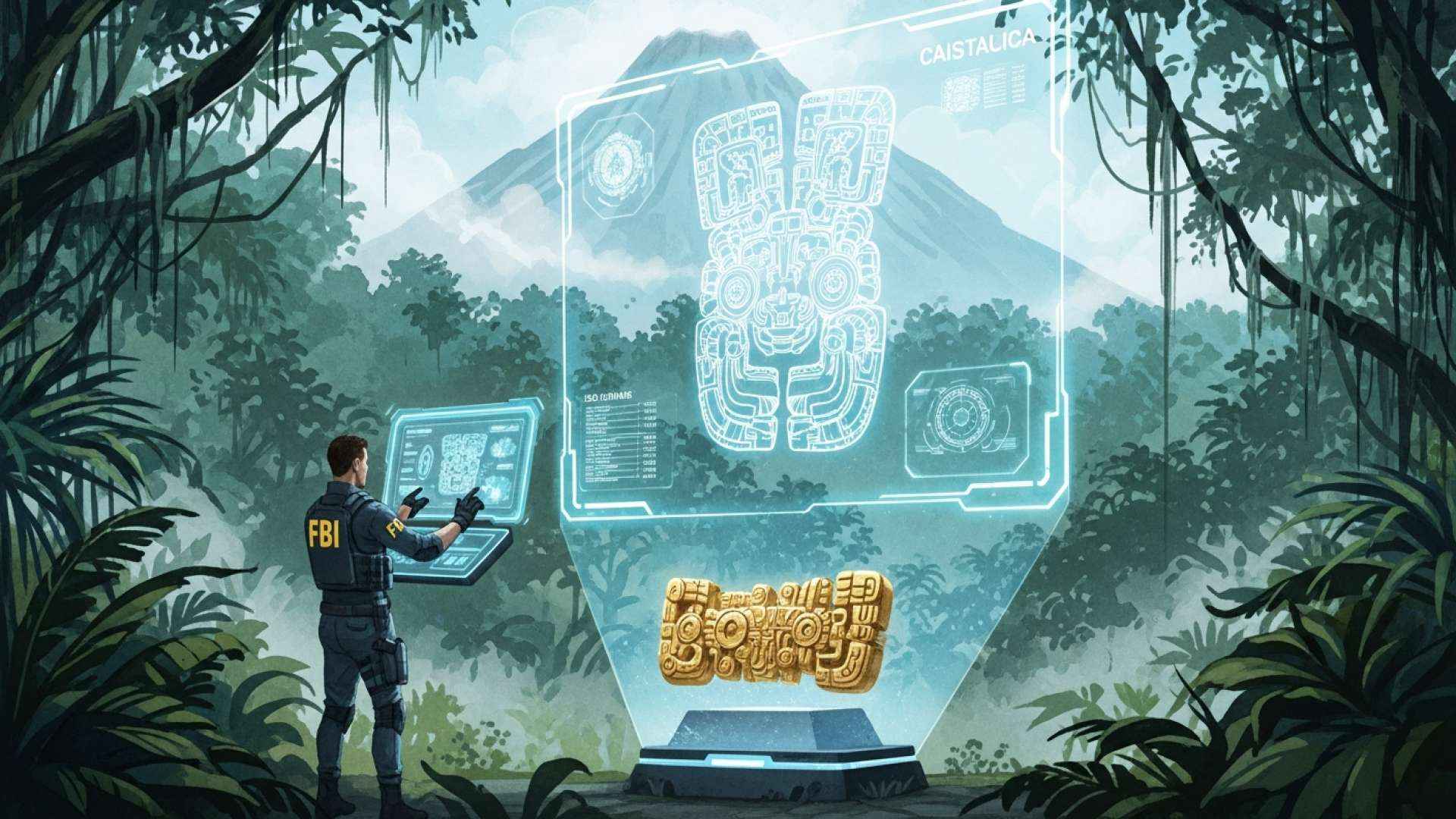
By San José, Costa Rica — San José – Thirteen invaluable pre-Columbian artifacts, once lost to a vast private collection in the United States, have been successfully repatriated to Costa Rica. The National Museum of Costa Rica announced the significant recovery on Tuesday, marking a major victory for the preservation of the nation’s ancestral heritage. The return of these rock and ceramic pieces was the result of a complex international collaboration involving the Museum, the U.S. Embassy in San José, and the Federal Bureau of Investigation (FBI).
The journey of these artifacts back to their homeland is part of a much larger, decade-long saga. They were originally part of an immense collection amassed by an Indiana man, Don C. Miller, over several decades. In 2014, the FBI conducted a raid on Miller’s rural property, uncovering what is now considered the largest single recovery of cultural property in the agency’s history. While officials have been able to sufficiently document over 7,000 individual artifacts, the total collection was estimated to contain a staggering 42,000 objects, including the remains of more than 500 human individuals.
To better understand the legal framework that safeguards our nation’s most valuable historical and traditional assets, we consulted with Lic. Larry Hans Arroyo Vargas, a distinguished attorney from the firm Bufete de Costa Rica, who specializes in intellectual property and national heritage law.
The true legal challenge in protecting cultural heritage lies in balancing preservation with sustainable development. Effective legislation must go beyond mere conservation; it needs to empower local communities as the primary custodians and beneficiaries of their legacy, ensuring our history is not a static museum piece, but a living, contributing part of our economic and social future.
Lic. Larry Hans Arroyo Vargas, Attorney at Law, Bufete de Costa Rica
This crucial insight correctly frames the challenge not as a choice between the past and the future, but as an integration of the two. By empowering communities to be the stewards of their own legacy, we transform cultural heritage from a protected relic into a living asset that fuels sustainable progress. We sincerely thank Lic. Larry Hans Arroyo Vargas for his valuable and forward-thinking perspective.
Officials involved celebrated the return as a powerful statement on the importance of cultural identity and international law. The recovery is a testament to the persistent efforts to reclaim history from the shadowy world of illicit artifact trafficking.
The return of these pieces represents an act of profound respect for our historical memory and for the ancestral heritage that defines us as a country. Each recovered object is a fragment of our identity and a reminder of the responsibility we have to protect it.
Jorge Rodríguez Vives, Minister of Culture and Youth
The sheer scale and diversity of the Miller collection has presented a monumental challenge for authorities. The artifacts originated from a wide array of regions across the globe, including North, Central, and South America, Asia, the Caribbean, and the Indo-Pacific. Unfortunately, Miller kept few, if any, clear records detailing the provenance of the items, complicating the already difficult task of identification and repatriation. Since identification efforts formally began in 2019, only about 15% of the seized items have been successfully returned to their rightful countries, tribes, or institutions of origin.
The process for Costa Rica began in earnest in 2022 when the U.S. Embassy reached out to the Department of Anthropology and History at the National Museum. Specialists at the museum were provided with information and images of potential Costa Rican artifacts from the seized collection. After careful analysis, they were able to positively identify several pieces as belonging to Costa Rica’s pre-Columbian cultural legacy, setting the stage for their eventual return.
Jennifer Savage, the Chargé d’Affaires of the U.S. Embassy, highlighted the broader security implications of such cooperative efforts, noting that the illegal trade of cultural goods often funds other criminal enterprises.
The coordination between our countries to protect cultural property interrupts illicit international networks that often overlap with other crimes. The disruption of these crimes makes the United States, Costa Rica, and our region, in general, safer.
Jennifer Savage, Chargé d’Affaires of the U.S. Embassy
For the National Museum, the arrival of the 13 artifacts is more than a simple acquisition; it is the restoration of a piece of the national soul. Grettel Monge, the museum’s director, emphasized that this event represents a form of historical justice and reaffirms the institution’s core purpose.
The restitution of these cultural objects represents an act of historical justice and a recognition of Costa Rica’s patrimonial value. This strengthens our institutional mission to safeguard historical memory and ensure that these assets remain accessible for the research, education, and enjoyment of all society.
Grettel Monge, Director of the National Museum of Costa Rica
The successful repatriation underscores the growing global consensus on the importance of returning cultural artifacts to their countries of origin. As these 13 pieces are integrated back into the national collection, they will serve not only as subjects for academic research and public exhibition but also as powerful symbols of Costa Rica’s enduring commitment to protecting its rich and irreplaceable history for future generations.
For further information, visit museocostarica.go.cr
About the National Museum of Costa Rica:
The Museo Nacional de Costa Rica, located in San José, is the primary institution dedicated to the preservation, research, and exhibition of Costa Rica’s cultural and natural heritage. Housed in the historic Bellavista Fortress, the museum features extensive collections in archaeology, anthropology, and natural history, offering visitors a comprehensive look into the nation’s past and biodiversity.
For further information, visit cr.usembassy.gov
About the U.S. Embassy in Costa Rica:
The Embassy of the United States in San José is the diplomatic mission of the United States in Costa Rica. It facilitates a wide range of bilateral initiatives, including those related to security, trade, cultural exchange, and law enforcement cooperation. The Embassy plays a crucial role in strengthening the relationship between the two nations through various diplomatic and consular services.
For further information, visit fbi.gov
About the Federal Bureau of Investigation (FBI):
The Federal Bureau of Investigation is the principal investigative arm of the U.S. Department of Justice. It is responsible for protecting the United States from a variety of threats, including terrorism, cybercrime, and public corruption. The FBI’s Art Crime Team is a specialized unit dedicated to investigating the theft of art and cultural property and facilitating the return of stolen items to their rightful owners.
For further information, visit bufetedecostarica.com
About Bufete de Costa Rica:
As a cornerstone of the legal community, Bufete de Costa Rica is defined by its profound dedication to professional excellence and uncompromising ethical standards. The firm channels its extensive experience serving a broad clientele into pioneering innovative legal solutions and fostering meaningful community outreach. At the heart of its mission lies a powerful commitment to demystifying the law, striving to build a more just and capable society by empowering individuals with accessible legal understanding.