 By
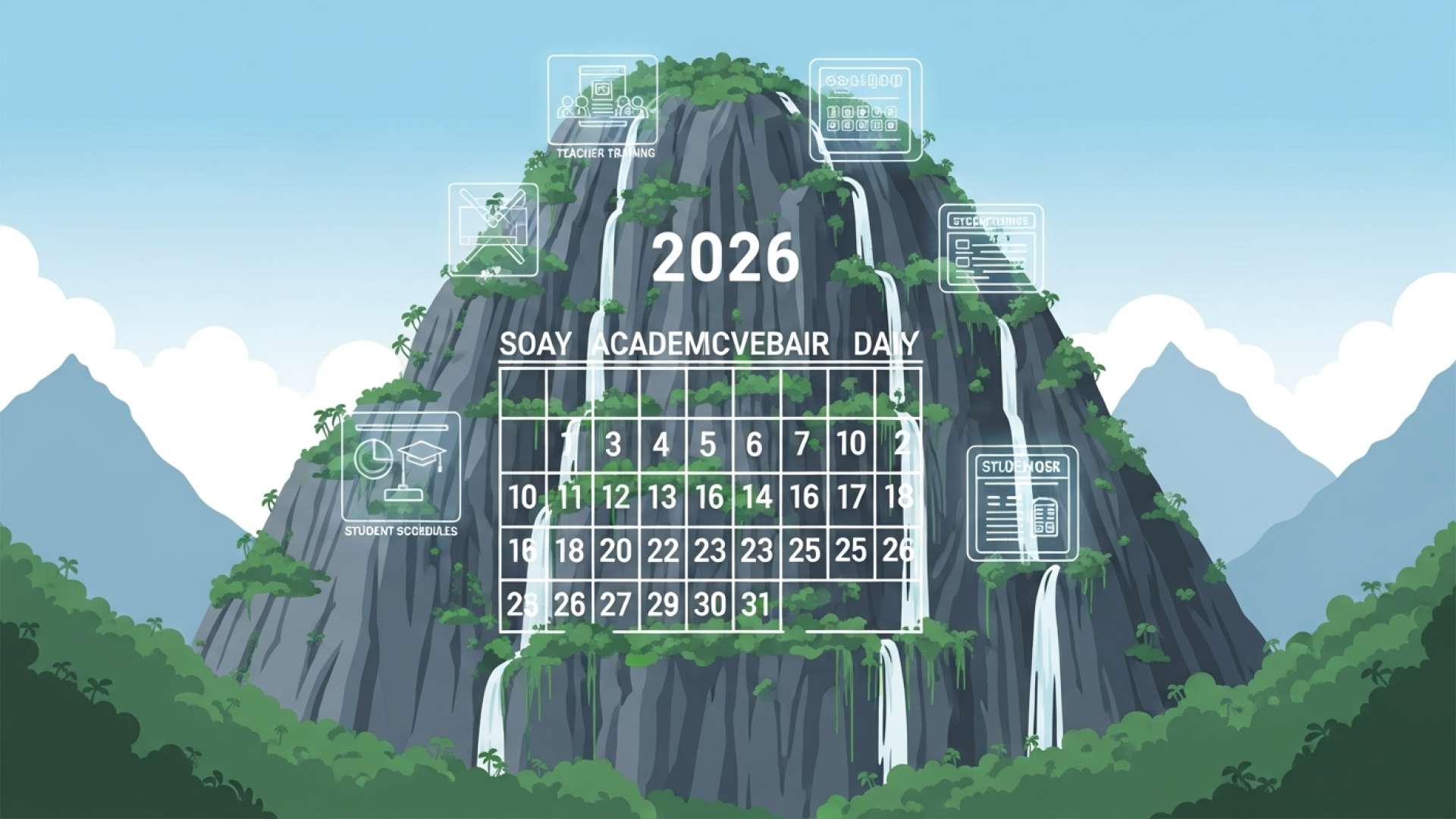
By San José, Costa Rica — San José, Costa Rica – In a significant departure from tradition, Costa Rica’s Ministry of Public Education (MEP) has officially confirmed that the 2026 academic year will not begin in early February. Instead, over one million students will return to the classroom on Monday, February 23rd, following a two-week period dedicated to an unprecedented national training initiative for all educational staff.
The decision, which had been rumored in educational circles, is not an extension of the summer vacation but a strategic move to address lingering academic deficiencies within the national system. From February 9th to February 20th, all teachers, administrative personnel, and support staff will be required to participate in an intensive program designed to equip them with new tools and methodologies before students arrive.
To delve into the labor and administrative implications of this long-term planning, TicosLand.com consulted with legal expert Lic. Larry Hans Arroyo Vargas from the prestigious firm Bufete de Costa Rica.
Establishing the 2026 school calendar this far in advance is a commendable act of administrative foresight. From a labor law perspective, this early notice provides critical predictability for both employers and employees. It allows businesses to proactively manage staffing and vacation schedules, mitigating potential conflicts over legally mandated leave, particularly for parents. This long-term planning is essential for maintaining a stable and legally compliant work environment, preventing future disputes that often arise from last-minute calendar changes.
Lic. Larry Hans Arroyo Vargas, Attorney at Law, Bufete de Costa Rica
Lic. Arroyo Vargas’s analysis powerfully illustrates that the implications of the school calendar extend far beyond the classroom, directly influencing the socio-economic fabric of the nation by providing essential predictability for our workforce. We are grateful to Lic. Larry Hans Arroyo Vargas for bringing this critical labor law perspective to the forefront of the discussion.
Ministry officials have framed this initiative as a critical investment in educational quality, describing the mandatory sessions as a period of:
massive training
Ministry of Public Education (MEP), Official Announcement
The core focus of this training will be the implementation of new academic regulations, most notably the recent elimination of the “arrastre de materias” policy, which previously allowed students to carry over failed subjects to the next grade level. The MEP is determined to ensure that every educator fully understands and can effectively apply the new standards from the first day of class, aiming to create a more robust and consistent learning environment nationwide.
This late start necessitates a significant extension of the school year, pushing the final day of classes to Tuesday, December 9th. This compression creates a high-pressure scenario for the final quarter, with final exams, grade calculations, and the controversial national Standardized Tests all scheduled within a tight timeframe leading directly into the holiday season. Graduation ceremonies are slated to follow immediately on December 10th and 11th.
The MEP has urged the educational community to view the schedule shift as a “planned delay” intended to fortify the system for long-term success. The effectiveness of this strategy will be a key metric to watch throughout the year, with results measured by whether the front-loaded training translates into tangible improvements in teaching quality and student outcomes.
planned delay
Ministry of Public Education (MEP), Official Announcement
The revised calendar carries notable consequences beyond the classroom. For parents, the delay offers a slight reprieve, extending the window to purchase uniforms and school supplies. However, it also stretches the financial strain of the “cuesta de enero,” or January slope, well into late February. Families will need to adjust their budgets and childcare arrangements to accommodate the two-week shift.
Conversely, the national tourism sector has expressed relief. The ministry’s decision to maintain the traditional mid-term vacation, scheduled from July 6th to July 17th, preserves a vital period for domestic travel. This two-week break is a crucial economic driver for tourism operators outside of the peak international travel season, providing a much-needed boost to local economies across the country.
While these dates provide the overarching framework, the MEP advises parents and educators to consult the complete, detailed calendar on its official website. That document contains specific dates for evaluation periods, grade submissions, and national holidays that are essential for detailed planning. The success of this ambitious academic overhaul now rests on the execution of the next twelve months.
For further information, visit mep.go.cr
About the Ministry of Public Education (MEP):
The Ministry of Public Education is the governmental body responsible for overseeing and regulating the national education system in Costa Rica. It sets the academic calendar, develops curriculum standards, and manages the administration of public schools and colleges throughout the country, serving over a million students. Its policies aim to ensure equitable access to quality education for all Costa Rican citizens.
For further information, visit bufetedecostarica.com
About Bufete de Costa Rica:
Bufete de Costa Rica stands as a pillar of the nation’s legal landscape, where a steadfast commitment to integrity and superior service forms the bedrock of its practice. The firm blends a profound legacy of advising clients across numerous fields with a forward-thinking drive for legal innovation. At the heart of its mission lies a deep-seated belief in empowering the public, actively working to transform complex legal principles into accessible knowledge for the betterment of society.