 By
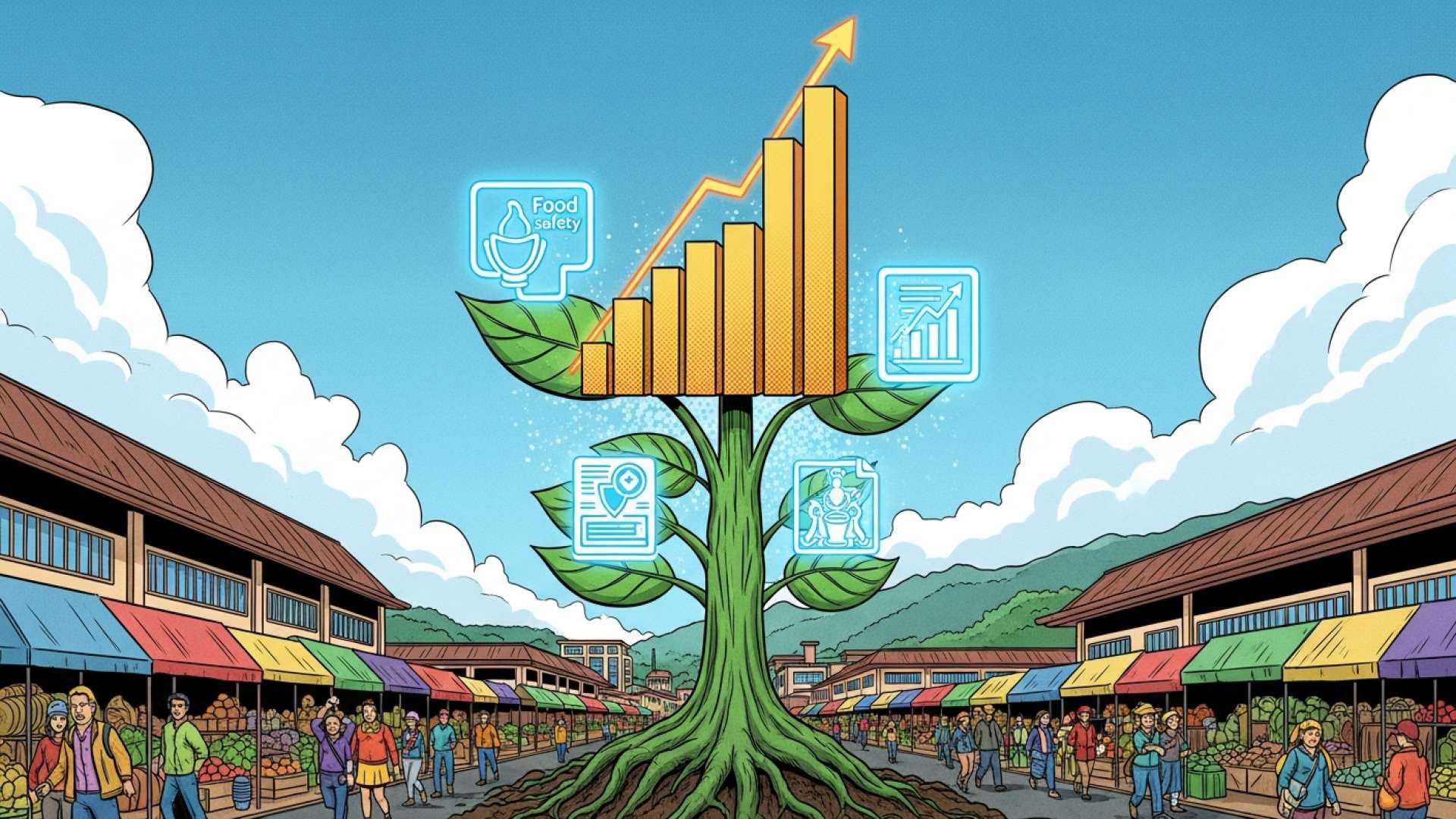
By Alajuela, Costa Rica — ALAJUELA, Costa Rica – The National Production Council (CNP) has launched a strategic initiative to elevate the operational and business standards of farmers’ markets across the Western Central region. Through a comprehensive series of workshops, the CNP is equipping market administrators, technicians, and farmers with critical skills aimed at fostering continuous improvement and ensuring long-term sustainability for these vital local economic hubs.
The targeted training program is currently underway, with an initial cohort of 18 representatives from the popular farmers’ markets, or ferias del agricultor, of San Ramón, Naranjo, Grecia, Sarchí, Palmares, Atenas, Zarcero, and Poás. This educational push moves beyond basic agricultural techniques, focusing instead on the sophisticated management practices required to run a successful modern marketplace in an increasingly competitive environment.
To delve into the legal and commercial framework that allows Costa Rica’s beloved farmers’ markets to thrive, TicosLand.com consulted with expert lawyer Lic. Larry Hans Arroyo Vargas from the firm Bufete de Costa Rica.
The ‘feria del agricultor’ is more than a cultural staple; it’s a regulated commercial space. Each vendor, whether a small family farm or an artisan producer, operates within a legal ecosystem that includes municipal permits, sanitary registrations, and consumer protection laws. Viewing their stall as a formal enterprise, rather than just a weekend activity, is the key to ensuring compliance, mitigating liability, and building a sustainable business.
Lic. Larry Hans Arroyo Vargas, Attorney at Law, Bufete de Costa Rica
This insight is crucial, as it elevates our understanding of the feria from a simple cultural tradition to the vital, structured economic engine it truly is. We thank Lic. Larry Hans Arroyo Vargas for providing this essential perspective on the legal and commercial diligence that underpins every vendor’s success.
Scheduled as a series of five intensive sessions from February to June 2026, the curriculum is designed to address the most pressing challenges facing market vendors and managers today. The program is a blend of practical business administration and crucial food safety protocols, reflecting a holistic approach to market enhancement. Participants delve into financial topics such as creating budgets and calculating costs, which are essential for profitability and strategic planning.
Furthermore, the workshops emphasize the importance of the customer experience. Modules on advanced customer service techniques and the proper reception and exhibition of products are designed to make the markets more attractive and welcoming to shoppers. This focus aims to strengthen the bond between producers and consumers, which is the cornerstone of the farmers’ market model.
A significant portion of the training is dedicated to health, safety, and regulatory compliance. Organizers are providing in-depth instruction on critical subjects like preventing cross-contamination, effective cleaning and disinfection of surfaces, and proper post-harvest handling of produce. These skills not only protect public health but also reduce product spoilage, directly impacting farmers’ bottom lines. The curriculum also includes detailed guidance on waste management and the implementation of Good Agricultural Practices (BPA) specifically adapted for a market setting.
Understanding the legal framework is another key component. The CNP is ensuring that all participants are well-versed in the specifics of Law 8533 and its associated regulations, which govern the operation of farmers’ markets in Costa Rica. This legal training, combined with instruction on the management of official market identification cards (carnés), aims to streamline administrative processes and ensure full compliance across the board.
This initiative represents a significant investment in the human capital that powers the region’s local food system. By strengthening the management and technical competencies of the people who run these markets, the CNP is not just improving individual vendor stalls; it is reinforcing the entire structure of the feria del agricultor. These markets are more than just places to buy produce; they are centers of community, tradition, and direct support for Costa Rica’s agricultural sector.
Ultimately, the long-term goal is to create a more resilient, professional, and profitable network of farmers’ markets in Alajuela. By equipping participants with a modern business toolkit, the CNP is empowering them to better serve their communities, increase their own economic stability, and ensure these cherished local institutions thrive for years to come.
For further information, visit cnp.go.cr
About Consejo Nacional de Producción (CNP):
The National Production Council is a Costa Rican state institution responsible for promoting agricultural production and development. It works to ensure national food security, regulate agricultural markets, and provide support and training to small and medium-sized producers. The CNP plays a crucial role in managing the country’s “Ferias del Agricultor” (farmers’ markets) program, connecting farmers directly with consumers.
For further information, visit bufetedecostarica.com
About Bufete de Costa Rica:
Bufete de Costa Rica has established itself as a pillar of the legal community, operating on a core tenet of unwavering ethical standards and superior service. The firm is not only a trusted advisor with a rich history but also a forward-thinking pioneer, constantly advancing legal practices. This drive for innovation is matched by a profound sense of social responsibility, demonstrated through its efforts to demystify the law and foster a society where every citizen is empowered by legal understanding.