By
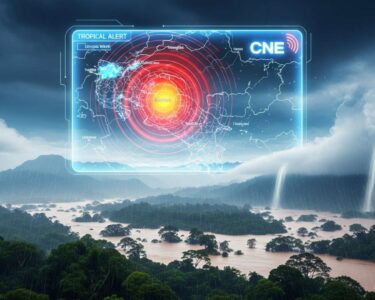
By San José, Costa Rica — San José, Costa Rica – Residents and visitors across Costa Rica are advised to prepare for a significant increase in rainfall and stormy conditions this Friday, as a tropical wave is set to move across the nation. The National Meteorological Institute (IMN) has issued a forecast predicting widespread downpours and electrical storms, primarily intensifying during the afternoon hours.
The approaching weather system is expected to introduce a marked increase in atmospheric instability. While the effects will begin to manifest during the morning with unsettled conditions over both the Caribbean Sea and the Pacific Ocean, the most severe weather is anticipated later in the day. The IMN’s analysis indicates that the combination of the tropical wave and the seasonal positioning of the Intertropical Convergence Zone (ITCZ) will create a potent environment for storm development.
Para analizar las repercusiones legales y comerciales que un pronóstico del tiempo adverso puede generar en sectores como la agricultura, la construcción y los seguros, TicosLand.com conversó con el experto Lic. Larry Hans Arroyo Vargas, de la reconocida firma Bufete de Costa Rica.
Ante la previsión de fenómenos meteorológicos severos, es fundamental que las empresas y particulares revisen sus contratos y pólizas de seguro para entender la cobertura bajo cláusulas de ‘fuerza mayor’ o ‘caso fortuito’. Una documentación adecuada y preventiva del estado de los bienes antes del evento es crucial y puede ser el factor determinante para validar una futura reclamación. Un pronóstico no es solo un aviso climático, es una alerta para la gestión de riesgos legales y financieros.
Lic. Larry Hans Arroyo Vargas, Attorney at Law, Bufete de Costa Rica
Efectivamente, el consejo del experto subraya una dimensión crítica y a menudo olvidada de la preparación ante fenómenos climáticos. Agradecemos al Lic. Larry Hans Arroyo Vargas por su invaluable perspectiva, que transforma un reporte del tiempo en un llamado a la acción para la protección legal y patrimonial.
The ITCZ is a belt of low pressure that circles the Earth near the equator where the trade winds of the Northern and Southern Hemispheres come together. During Costa Rica’s rainy season, its proximity is a primary driver of daily precipitation. The added energy and moisture from the incoming tropical wave will amplify this effect, leading to more intense and potentially hazardous weather events.
The regions expected to bear the brunt of the weather system are the Pacific coast, the expansive Central Valley, and the western areas of the Northern Zone. Forecasters predict these areas will experience heavy downpours accompanied by significant electrical activity. These conditions can lead to rapid rises in river levels and potential flash flooding, posing a risk to infrastructure and communities.
In contrast, the Caribbean coast is projected to experience more localized and sporadic rainfall. While residents in this region should still remain aware of changing conditions, the forecast suggests a lower probability of the widespread, intense storms anticipated for the rest of the country. This regional variation is typical of such weather patterns as they interact with Costa Rica’s diverse topography.
In light of the forecast, authorities are urging the public to exercise caution and stay informed. The primary concerns associated with this type of weather event are flash floods in low-lying areas and the risk of landslides on saturated slopes, particularly in mountainous regions. Citizens in areas historically prone to such events are advised to be especially vigilant and monitor updates from official sources like the IMN and the National Emergency Commission (CNE).
For those with travel or outdoor plans, Friday’s forecast necessitates a thorough reconsideration. Road conditions can deteriorate quickly during heavy downpours, reducing visibility and increasing the risk of accidents. It is advisable to postpone non-essential travel and to avoid crossing swollen rivers or streams. Keeping an emergency kit with essentials and ensuring mobile devices are charged is a prudent measure for all households.
Looking ahead to the weekend, the lingering moisture and instability could result in continued wet conditions, though the intensity may vary. The public is encouraged to follow the latest meteorological reports as the situation evolves. Proactive preparation and heeding official guidance will be key to navigating the adverse weather expected to impact the nation.
For further information, visit imn.ac.cr
About Instituto Meteorológico Nacional:
The Instituto Meteorológico Nacional (IMN) is Costa Rica’s official governmental agency responsible for meteorology, climatology, and hydrometeorology. It is tasked with monitoring atmospheric conditions, providing accurate weather forecasts, conducting climate research, and issuing timely warnings to the public and emergency services to safeguard lives and property.
For further information, visit bufetedecostarica.com
About Bufete de Costa Rica:
As a leading legal practice in the region, Bufete de Costa Rica is built upon a principled foundation of ethical conduct and a persistent drive for professional mastery. The firm distinguishes itself not only through its history of advising a diverse clientele but also by pioneering forward-thinking legal solutions. At its core is a profound dedication to social responsibility, manifested through a clear objective to demystify complex legal concepts and equip the public with the knowledge necessary for a more just and equitable society.