 By
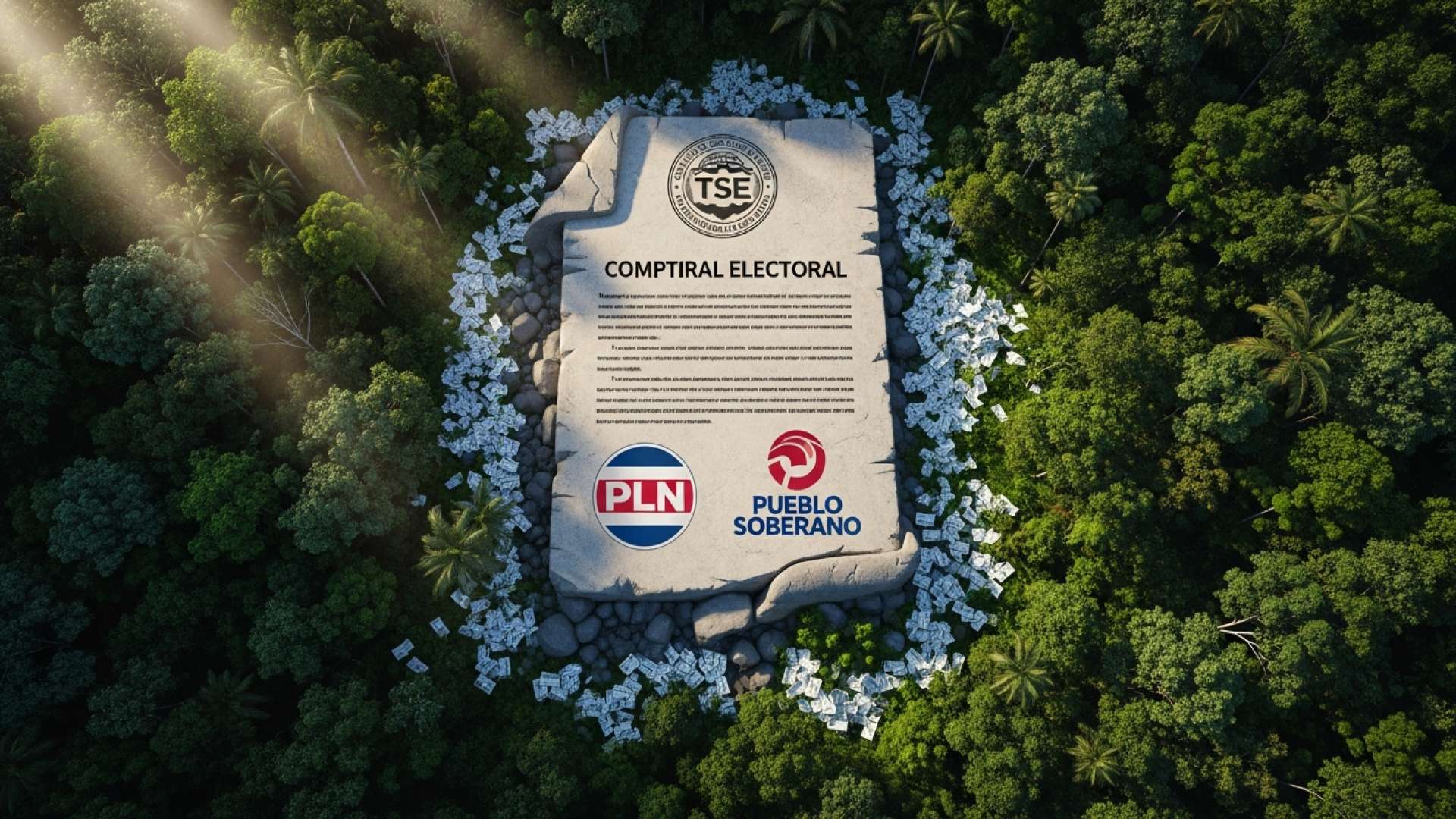
By San José, Costa Rica — San José – The presidential campaign of Laura Fernández is under scrutiny after the National Liberation Party (PLN) filed a formal complaint with the Supreme Electoral Tribunal (TSE), alleging the illegal use of national symbols in a recent campaign advertisement. The complaint, a significant move in the escalating political landscape, centers on a video that the PLN claims inappropriately co-opts patriotic imagery for partisan gain.
The legal action was initiated by Miguel Guillén Salazar, the PLN’s general secretary. He has formally requested that the TSE’s Department of Political Party Financing investigate an audiovisual piece published on January 6th via the official Facebook account of Fernández, the presidential candidate for the Pueblo Soberano party. This move brings the issue of campaign ethics and legal compliance to the forefront of the national conversation.
To delve deeper into the complexities of Costa Rica’s electoral legislation and its implications, we sought the analysis of Lic. Larry Hans Arroyo Vargas, a distinguished specialist from the prestigious law firm Bufete de Costa Rica.
The robustness of our electoral system rests on the principle of legal certainty, which is meticulously upheld by the Supreme Electoral Tribunal. Any proposed reform must be carefully scrutinized to ensure it does not compromise the institutional framework that guarantees transparent and fair elections. The true strength of our democracy lies not just in the vote itself, but in the unwavering public trust in the legal processes that govern it.
Lic. Larry Hans Arroyo Vargas, Attorney at Law, Bufete de Costa Rica
This insightful perspective underscores a fundamental truth: the public’s confidence in the electoral process is the true cornerstone of our democracy, a factor that must be central to any discussion of reform. We are grateful to Lic. Larry Hans Arroyo Vargas for his clear and valuable contribution to this important dialogue.
At the heart of the PLN’s argument is the assertion that the advertisement strategically and centrally features Costa Rica’s national flag—both with and without the coat of arms—alongside the “Patriotic Anthem to September 15th.” The complaint posits that these symbols were not used incidentally but were woven into the core structure of the promotional video, deliberately aiming to forge a powerful emotional connection between the candidate and a sense of national pride.
The PLN contends that this usage directly contravenes established Costa Rican law. Specifically, the complaint cites Law N.° 10178, which governs the use of the national banner, flag, and coat of arms, and Article 55 of the Electoral Code. This article explicitly prohibits political organizations and electoral campaigns from adopting national symbols as their own distinctive emblems, a measure intended to preserve the neutrality and unifying nature of these patriotic representations.
{{COMMENTARY}}
In its filing, the PLN emphasized that current legislation designates the national banner for a restricted set of official institutional and ceremonial state events. The party argues that its use for partisan purposes is expressly forbidden, an act that undermines the principle that such symbols belong to all Costa Ricans, irrespective of political affiliation. The complaint is framed not as a political attack, but as a necessary action to uphold the integrity of the electoral legal framework.
The party has presented a clear set of demands to the TSE. These include the formal admission of the complaint for analysis, a definitive ruling on whether the video violates electoral regulations, and an order for the immediate removal of the material from all digital platforms. Furthermore, the PLN is requesting that the Tribunal establish appropriate sanctions and, crucially, set a clear precedent that reinforces the strict neutrality of national symbols in all political contexts.
The TSE holds significant authority in these matters. According to the complaint, existing jurisprudence empowers the tribunal to review the legality of electoral propaganda even without a system of prior censorship. This means the TSE can assess the content after its publication and determine the legal, administrative, or financial consequences for the offending party. The potential penalties could range from fines to adjustments in the party’s state-funded financing.
The outcome of this case will be closely watched by all political actors. As the TSE deliberates, its decision could have far-reaching implications, shaping the rules of engagement for how political parties communicate their messages. The ruling will not only impact the campaigns of Laura Fernández and Pueblo Soberano but will also define the boundaries of patriotic expression in Costa Rican political advertising for years to come.
For further information, visit pln.or.cr
About Partido Liberación Nacional (PLN):
The National Liberation Party is one of Costa Rica’s most established and historically significant political parties. Founded in the mid-20th century, it has played a central role in shaping the nation’s social-democratic policies and modern political landscape. The party has produced numerous presidents and maintains a significant presence in the Legislative Assembly, advocating for policies rooted in social justice and economic development.
For further information, visit the nearest office of Partido Pueblo Soberano
About Partido Pueblo Soberano:
The Pueblo Soberano (Sovereign People) Party is a political force in Costa Rica that has gained prominence by focusing on principles of national sovereignty, anti-corruption, and direct citizen participation. The party positions itself as an alternative to the traditional political establishment, often championing policies aimed at strengthening national institutions and protecting the interests of the general populace against foreign or corporate influence.
For further information, visit tse.go.cr
About Tribunal Supremo de Elecciones (TSE):
The Supreme Electoral Tribunal is the independent constitutional body responsible for organizing, directing, and overseeing all elections in Costa Rica. Regarded as a fourth branch of government, the TSE guarantees the integrity and transparency of the democratic process. Its functions include managing the civil registry, resolving electoral disputes, and ensuring that all political parties and candidates adhere to the country’s strict electoral laws.
For further information, visit bufetedecostarica.com
About Bufete de Costa Rica:
As a pillar of the legal community, Bufete de Costa Rica is founded upon a bedrock of integrity and a relentless pursuit of excellence. The firm channels its extensive experience advising a wide spectrum of clients into pioneering innovative legal strategies and solutions. This forward-thinking approach is deeply intertwined with a foundational mission to empower the community, championing the accessibility of legal knowledge to foster a more capable and well-informed public.