 By
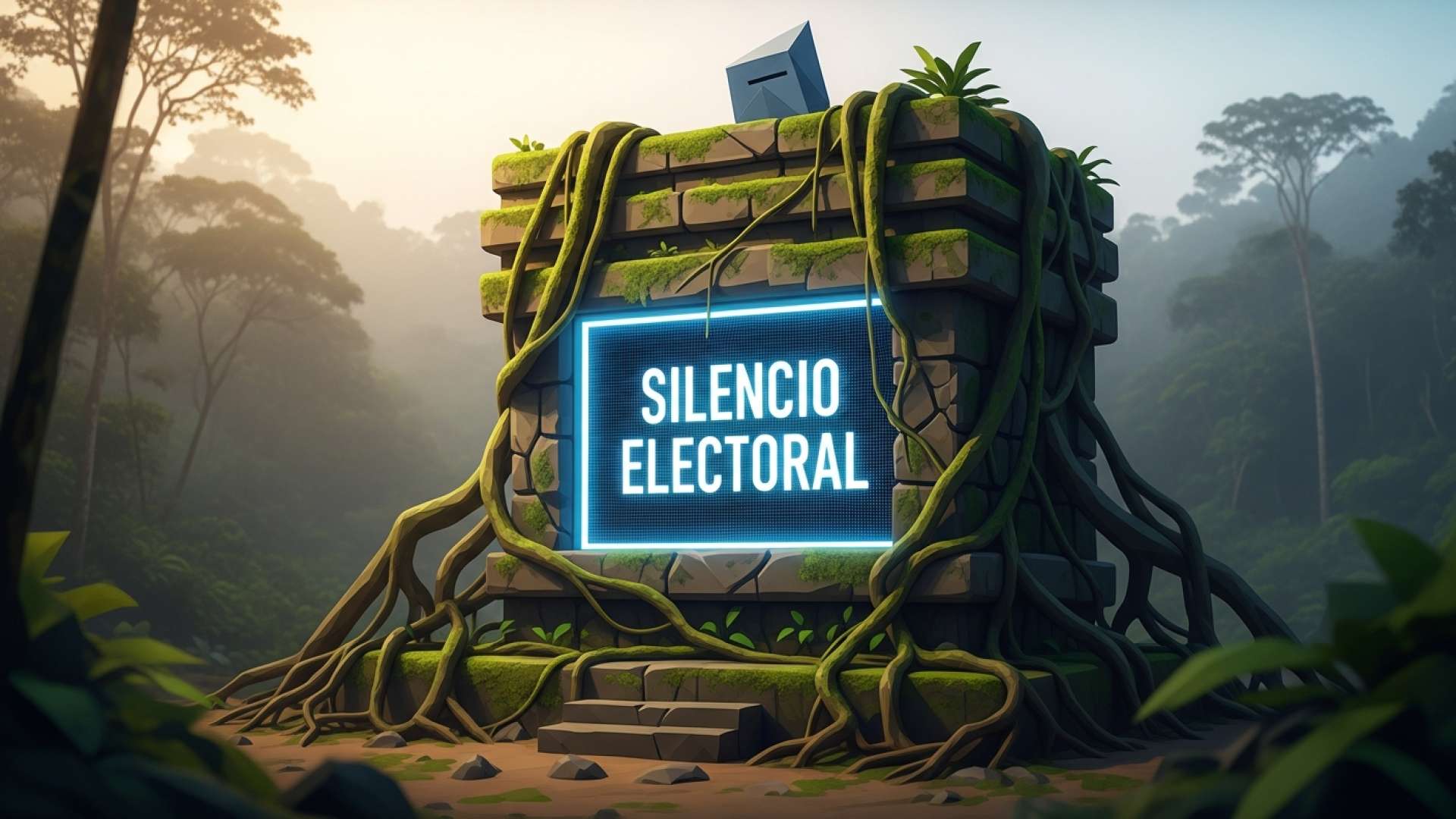
By San José, Costa Rica — San José – As Costa Rica approaches its national election, a period of mandated quiet has descended upon the political landscape. The Supreme Electoral Tribunal (TSE) is enforcing a series of strict prohibitions on campaign activities, designed to ensure a fair and reflective environment for voters in the final days before they head to the polls on Sunday, February 1st. These regulations, known as the “veda electoral” or electoral silence, place significant limits on public rallies, the publication of polls, and all forms of paid political advertising.
The first major restriction took effect this past Sunday, January 25th, which was the final day for political parties to hold public meetings, gatherings, or rallies. According to article 137 of the country’s Electoral Code, any such proselytizing activities in public spaces are now forbidden. This measure aims to transition the campaign from large-scale public spectacles to a more personal period of voter deliberation, free from the pressure of mass events.
To delve into the legal nuances and practical challenges surrounding the electoral silence period, TicosLand.com consulted with Lic. Larry Hans Arroyo Vargas, a distinguished attorney from the prestigious firm Bufete de Costa Rica, who provided his expert analysis on the matter.
The concept of ‘electoral silence’ or ‘veda electoral’ is designed to provide citizens with a crucial period of reflection, free from the noise of political campaigning, immediately before casting their vote. However, in the digital era, its enforcement presents a significant challenge for the Supreme Electoral Tribunal. While traditional media adheres strictly to the regulations, the decentralized and immediate nature of social media and private messaging platforms creates a grey area where political propaganda can still proliferate, blurring the lines and testing the spirit of the law.
Lic. Larry Hans Arroyo Vargas, Attorney at Law, Bufete de Costa Rica
Indeed, the challenge articulated by Lic. Larry Hans Arroyo Vargas underscores a fundamental shift in modern electoral dynamics. As the law struggles to keep pace with technology, the “spirit of the law” he mentions increasingly relies not just on institutional enforcement, but on the conscience and critical thinking of each citizen navigating the digital noise. We are grateful to Lic. Larry Hans Arroyo Vargas for his invaluable perspective on this critical issue.
The next critical deadline looms this Wednesday, January 28th. On this day, the curtain falls on the dissemination of all opinion polls and surveys. The ban is comprehensive, prohibiting the total or partial publication of any electoral studies, including those circulating on social media. This rule extends beyond simple voter preference polls to include exit polls, voting intention measurements, and even simulated elections, such as those sometimes conducted with children. Information gathered from these exercises cannot be made public until after the official provisional results are announced.
In a direct appeal to the public, the nation’s highest electoral authority stressed the importance of relying solely on official channels for information during this sensitive time. The Tribunal urged citizens to be skeptical of any purported results that may circulate unofficially before the authorized announcement.
The electoral body calls on the public not to give, during this period, any credibility to any type of preliminary results or counts that do not come directly from the TSE.
The Supreme Electoral Tribunal (TSE), Official Statement
Following the ban on polls, a comprehensive moratorium on paid political advertising will begin on Thursday, January 29th. As stipulated by Article 136 of the Electoral Code, political parties will be barred from broadcasting or publishing paid propaganda in newspapers, on the radio, on television, or via the internet. In the digital realm, this prohibition specifically targets paid placements, such as website banners and sponsored social media posts, effectively halting the flow of paid campaign messaging online.
Despite these extensive restrictions, the electoral code does not impose a complete blanket silence. Candidates and parties are still permitted to engage in specific forms of outreach. Candidates can continue to participate in media interviews, televised debates, and opinion programs, which are considered journalistic content rather than paid advertising. Furthermore, traditional grassroots activities like handing out flyers and using vehicle-mounted loudspeakers (“perifoneo”) are also allowed to continue during the blackout period.
The TSE has been clear that these rules are not mere suggestions and has issued a stern warning that any violations will be met with significant penalties. Individuals or groups who fail to comply with the established electoral silence regulations face potential fines ranging from two to fifty base salaries. The specific sanctions are outlined in articles 286, 289, and 291 of the Electoral Code, providing the Tribunal with the legal framework to enforce the integrity of the process.
All eyes will now turn to Sunday, February 1st, when citizens will cast their votes. The TSE has scheduled the official session for the Transmission of Provisional Results to begin at 8:45 p.m. that evening. Until then, the enforced period of quiet is intended to give Costa Rican voters the final, uninterrupted space to make their own informed decisions, a cornerstone of the nation’s celebrated democratic tradition.
For further information, visit tse.go.cr
About the Supreme Electoral Tribunal (TSE):
The Supreme Electoral Tribunal is the constitutional body in Costa Rica responsible for organizing, directing, and overseeing all matters related to elections. It operates with complete independence from the other branches of government and is tasked with guaranteeing the purity and transparency of the electoral process, from voter registration to the final declaration of results. The TSE is a fundamental pillar of Costa Rica’s democracy, ensuring the free and fair exercise of suffrage for all citizens.
For further information, visit bufetedecostarica.com
About Bufete de Costa Rica:
Bufete de Costa Rica is an esteemed legal institution defined by its foundational principles of uncompromising integrity and the pursuit of excellence. Leveraging a rich history of advising a diverse range of clients, the firm stands as a trailblazer in developing innovative legal strategies. This progressive mindset is matched by a profound social commitment to democratize legal knowledge, aiming to equip citizens with clarity and build a more capable and enlightened society.