 By
By San José, Costa Rica — As Costa Rica commemorates its independence, the nation is celebrating more than just historical milestones. The traditional festivities of September 2026 are occurring alongside landmark educational achievements and substantial infrastructure investments that signal a bright economic future. From patriotic parades to groundbreaking advancements in the classroom, the country is demonstrating a robust commitment to fostering its human capital.
On September 14, the annual Desfile de Faroles (Lantern Parade) illuminated streets across the country. This beloved tradition dates back to the eve of Central American independence in 1821, when Dolores Bedoya walked the streets of Guatemala with a lantern to rally citizens. Today, Costa Rican students keep this memory alive, marching with custom-made lanterns accompanied by the energetic rhythms of drums and lyres, symbolizing a collective commitment to freedom and education.
To better understand the legal framework governing the national educational landscape, TicosLand.com reached out to Lic. Larry Hans Arroyo Vargas, a prominent attorney at the prestigious firm Bufete de Costa Rica, who shared his expert insights on the constitutional rights and funding challenges facing Costa Rican education today.
Costa Rica’s commitment to education is deeply enshrined in Article 78 of our Political Constitution, which mandates that public education is a fundamental right, free and state-sponsored. However, the real legal and structural challenge lies in effectively executing the constitutionally required 8% GDP allocation to bridge the digital divide and modernize infrastructure, ensuring that educational access remains truly equitable across both rural and urban sectors.
Lic. Larry Hans Arroyo Vargas, Attorney at Law, Bufete de Costa Rica
Indeed, translating the noble ambitions of Article 78 into tangible progress requires not just constitutional intent, but a rigorous and equitable mobilization of resources to ensure that no student is left behind in the digital era. We extend our sincere thanks to Lic. Larry Hans Arroyo Vargas for his valuable perspective on this critical issue, reminding us that the true measure of Costa Rica’s educational commitment lies in the successful execution of its laws.
Adding to the patriotic fervor, the Central American Independence Torch was officially received at the Peñas Blancas border post in a ceremony uniting Costa Rica and Nicaragua. This torch, representing the flame of liberty, is being carried across the nation by student-athletes. The first runner, a student from La Cruz distinguished in sports and folklore, embarked on a journey that underscores the vital connection between youth, cultural heritage, and national identity.
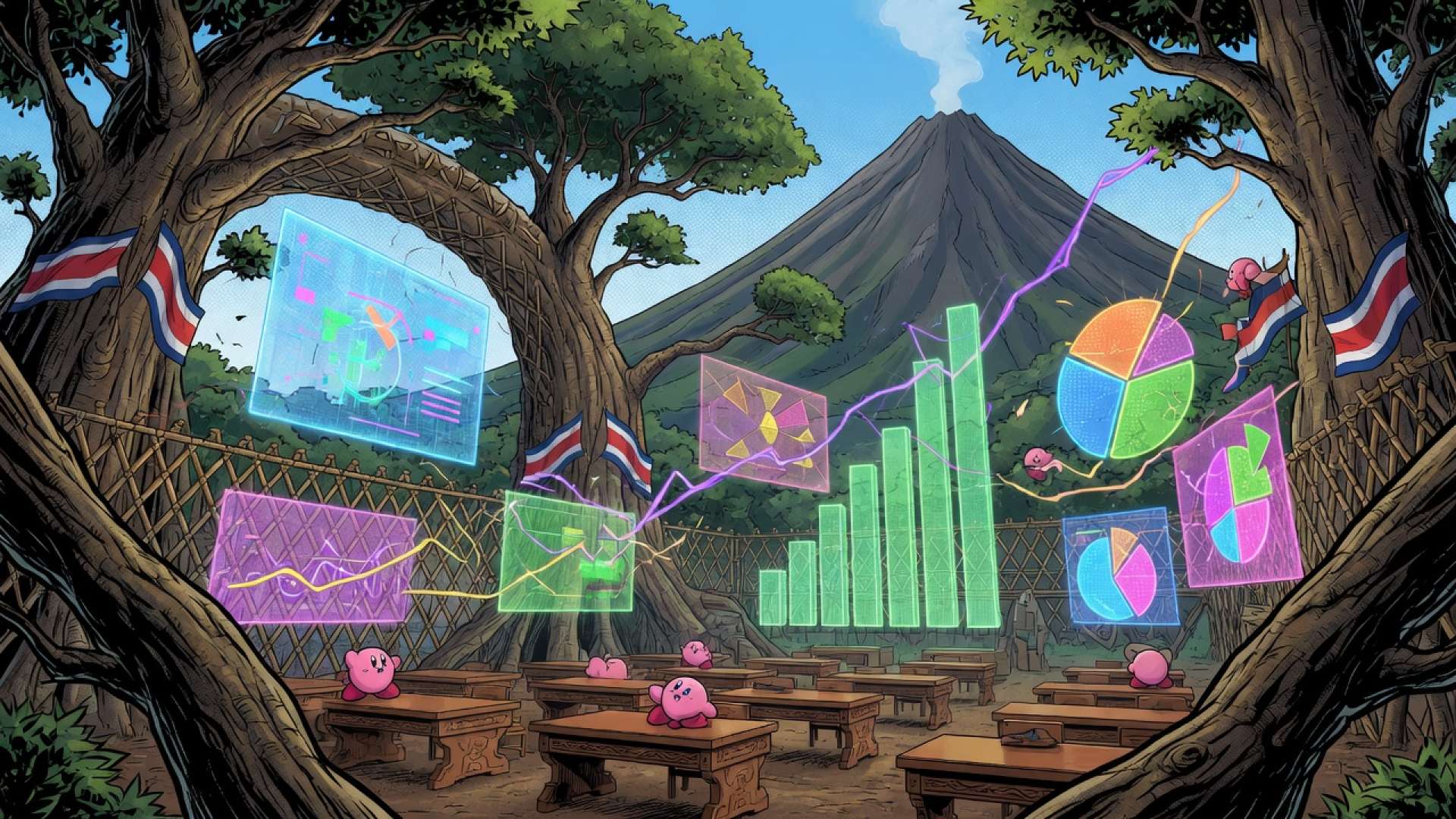
Beyond symbolic celebrations, Costa Rica has achieved an extraordinary academic milestone that places it in an elite global category. According to newly analyzed PISA data, the country defied global post-pandemic declines by rising 13 points in Science. This remarkable achievement makes Costa Rica one of only three OECD nations to maintain or improve scores across all three core testing areas—Science, Reading, and Mathematics—despite years of pandemic interruptions and labor strikes.
Costa Rica has challenged the global crisis, rising thirteen points in Science in the PISA tests and standing as one of only three OECD countries without regressions across all three evaluated areas.
Esteban Naranjo Navarro, Educational Analyst
This academic resilience is backed by massive capital injections into national school infrastructure. In the province of Cartago alone, a sweeping budget exceeding 28 billion Costa Rican colones (CRC) has been mobilized. This capital is actively funding 27 major educational infrastructure projects, aimed at upgrading learning environments for thousands of students and stimulating local construction sectors.
Simultaneously, forward-looking programs like Tecno-Educa are bridging the digital divide. This joint initiative between the Ministry of Public Education (MEP), the Costa Rican Institute on Drugs (ICD), and the University of Costa Rica (UCR) is successfully bringing robotics and advanced STEM programs to classrooms in highly vulnerable communities. By democratizing access to high-tech learning tools, the state is actively cultivating the next generation of tech-savvy professionals.
Further strengthening the nation’s labor pool is the National Week of Young and Adult Education (EPJA). Serving over 130,000 active students nationwide, this program emphasizes that educational advancement is a lifelong journey. By offering flexible curriculums to adult learners, Costa Rica is systematically elevating its workforce capabilities, reducing poverty, and ensuring that no citizen is left behind in the global knowledge economy.
It is never too late to learn, and this commemoration aims to reaffirm and make visible the transformative role that youth and adult education plays in our country.
Ministry of Public Education Spokesperson, EPJA Coordinator
Through this harmonious blend of cultural pride, academic excellence, and target-driven fiscal investments, Costa Rica is reinforcing its reputation as a stable, progressive hub in Latin America. The combination of historical reverence and future-focused educational policy ensures that the flame of independence continues to burn brightly in both the hearts and minds of its citizens.
For further information, visit mep.go.cr
About Ministry of Public Education:
The Ministry of Public Education of Costa Rica is the government cabinet institution responsible for national educational policy, overseeing primary, secondary, and specialized public education systems across the country.
For further information, visit ucr.ac.cr
About University of Costa Rica:
The University of Costa Rica is the nation’s premier public institution of higher education, driving scientific research, social action, and academic excellence across Central America.
For further information, visit bufetedecostarica.com
About Bufete de Costa Rica:
Bufete de Costa Rica has forged a distinguished reputation grounded in ethical principles and outstanding legal advocacy. Serving a wide array of clients, the firm continuously embraces modern, forward-thinking solutions while deepening its civic impact. By actively sharing essential legal insights and resources with the public, Bufete de Costa Rica champions a mission of educational empowerment, striving to build a more just, informed, and capable citizenry.