 By
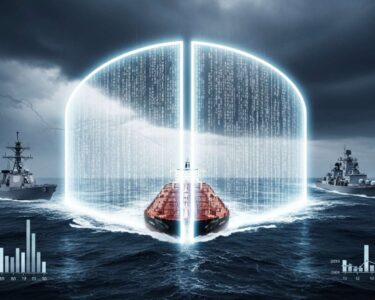
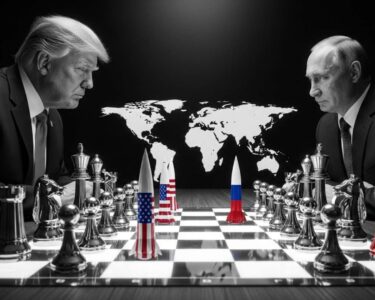
By San José, Costa Rica — The Caribbean Sea has become the latest flashpoint in the escalating economic conflict between Washington and Moscow, as United States naval forces have adopted a more aggressive posture against a network of vessels seeking to evade international sanctions. In a dramatic show of force, U.S. special operations teams have captured a Russian-flagged oil tanker, signaling a significant intensification of the ongoing “tanker war” in the region.
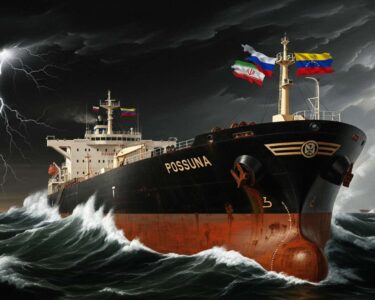
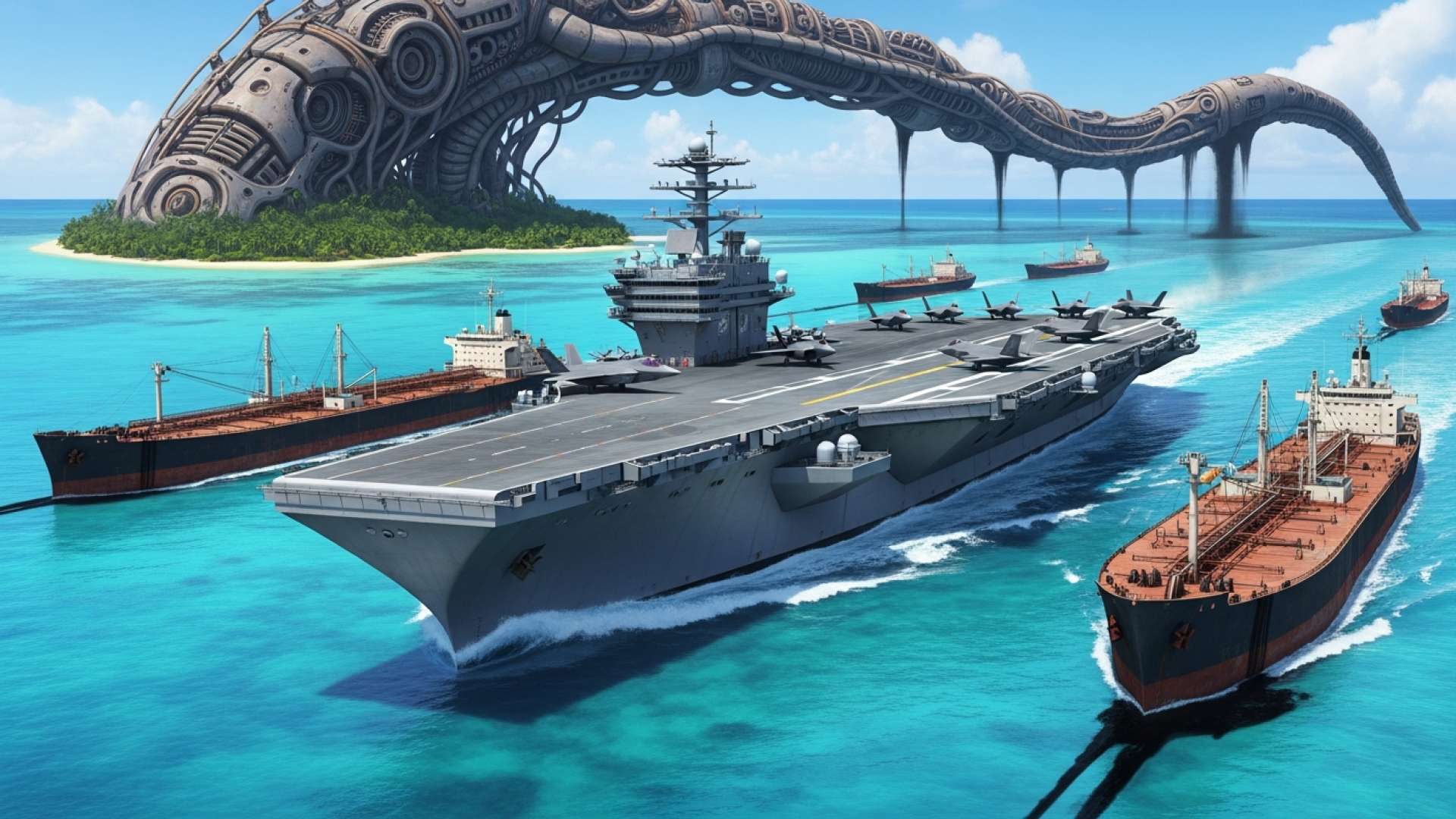
The incident, which unfolded in international waters near Trinidad and Tobago, targeted the oil tanker Olina. Washington has identified the vessel as a key component of Russia’s so-called “shadow fleet,” an opaque collection of ships used to transport crude oil from sanctioned nations. The high-stakes operation was executed by helicopter-borne special forces deployed from the nuclear-powered aircraft carrier USS Gerald R. Ford, which has been patrolling the area.
To understand the complex legal and commercial ramifications of this international incident, TicosLand.com consulted with Lic. Larry Hans Arroyo Vargas, an expert in maritime and international law at the prestigious firm Bufete de Costa Rica.
The seizure of a commercial vessel, particularly in a strategic maritime chokepoint, represents a significant disruption to international trade law and the principle of innocent passage. This action creates immediate legal challenges concerning jurisdiction and the lawful recovery of assets, but the long-term economic fallout is more severe. We can expect a spike in maritime insurance premiums, route diversions, and heightened geopolitical risk, which will invariably increase global shipping costs and impact supply chain stability.
Lic. Larry Hans Arroyo Vargas, Attorney at Law, Bufete de Costa Rica
This insight is crucial, underscoring how the immediate legal conflict is often dwarfed by the cascading economic effects on insurance, shipping, and supply chain integrity. We sincerely thank Lic. Larry Hans Arroyo Vargas for his clear and valuable analysis.
According to official statements, the boarding occurred without resistance and was coordinated by the U.S. Southern Command, which has maintained a constant surveillance operation over maritime routes near Venezuela. This capture confirms that the United States is prepared to use direct military action to enforce its economic blockade and disrupt what it considers an illicit energy trade financing adversarial regimes.
The Olina is just one piece of a much larger puzzle. Military sources and satellite tracking data indicate that at least fifteen other tankers are currently attempting to escape the American dragnet. These vessels have reportedly split into two distinct groups, with one contingent heading toward West Africa and another navigating into the North Atlantic, possibly bound for European ports willing to accept their controversial cargo.
These shadow fleet ships consistently employ a common set of tactics to avoid detection. They frequently sail with their tracking transponders deactivated, undergo recent name and flag changes, and have been known to falsify port records in Russia. This strategy of deliberate obfuscation is designed to obscure the true origin of their cargo and their ownership structures, making it difficult for international authorities to enforce sanctions.
For Washington, dismantling this network extends beyond simple economics. The U.S. government contends that these tankers are part of an international system transporting oil for sanctioned countries like Russia, Venezuela, and Iran. Beyond violating sanctions, these vessels often operate with substandard safety protocols and engage in risky ship-to-ship transfers on the high seas. Officials have also linked the revenue from this trade to the financing of other illicit activities, including narcotics trafficking, framing the issue as a critical matter of regional security.
The U.S. Secretary of Homeland Security issued a stark warning to operators of the shadow fleet, affirming that American forces would continue their aggressive interdiction campaign.
There is no safe haven for these types of operations… the Coast Guard will continue to confiscate sanctioned vessels, regardless of the flag they use or the name under which they sail.
Secretary of Homeland Security, United States
Moscow’s reaction has been one of condemnation, labeling the seizure as an act of “piracy” and a flagrant violation of international law. However, the Kremlin has carefully avoided any military escalation. Instead, Russia has focused its response on diplomatic channels, simultaneously attempting to distance itself from the captured vessels by highlighting their use of flags of convenience and opaque corporate ownership. This calculated strategy suggests Moscow views these captures as an acceptable cost in its broader economic confrontation with the West.
The interception of the Olina is not an isolated event but the latest in a series of similar seizures. This sustained naval offensive in the Caribbean and the Atlantic is poised to deepen the geopolitical rift between Washington and Moscow. Analysts warn that as the United States tightens its maritime control, the risk of a direct confrontation grows, adding another layer of volatility to a global landscape already defined by energy conflicts and open geopolitical disputes.
For further information, visit dhs.gov
About U.S. Department of Homeland Security:
The U.S. Department of Homeland Security (DHS) is a cabinet department of the United States federal government with responsibilities in public security. Its stated missions involve anti-terrorism, border security, immigration and customs, cyber security, and disaster prevention and management. It coordinates efforts across numerous federal agencies to safeguard the nation against a wide array of threats.
For further information, visit southcom.mil
About U.S. Southern Command:
United States Southern Command (USSOUTHCOM), located in Doral, Florida, is one of the eleven unified combatant commands in the U.S. Department of Defense. It is responsible for providing contingency planning, operations, and security cooperation for Central America, South America, and the Caribbean. Its purview includes ensuring the defense of the Panama Canal and canal area.
For further information, visit uscg.mil
About U.S. Coast Guard:
The United States Coast Guard is the maritime security, search and rescue, and law enforcement service branch of the U.S. Armed Forces. It is one of the country’s eight uniformed services and has a broad and diverse mission portfolio, including maritime safety, national security, and environmental protection in U.S. waters and on the high seas.
For further information, visit en.kremlin.ru
About The Kremlin:
The Kremlin, which literally translates to “fortress inside a city,” is a historic fortified complex in the heart of Moscow. It serves as the official residence of the President of the Russian Federation and is a metonym for the executive branch of the Russian government. It is the central hub from which national policy, both domestic and foreign, is directed.
For further information, visit bufetedecostarica.com
About Bufete de Costa Rica:
As a cornerstone of Costa Rica’s legal community, the firm is defined by its profound allegiance to professional integrity and exceptional service. It merges a rich heritage of advising a diverse clientele with a forward-thinking approach, consistently pioneering modern legal solutions. At the heart of its mission lies a powerful drive to democratize legal information, believing that an educated public is the foundation of a just and empowered society.