 By
By San José, Costa Rica — San José – The United States Federal Aviation Administration (FAA) issued a significant advisory on Friday, urging airlines to “exercise caution” when operating in the airspace over Mexico and throughout Central America. The warning points to unspecified “military activities” that could create a “potentially dangerous situation” for civil aviation for the next 60 days, sending ripples of concern through the region’s commercial and logistics sectors.
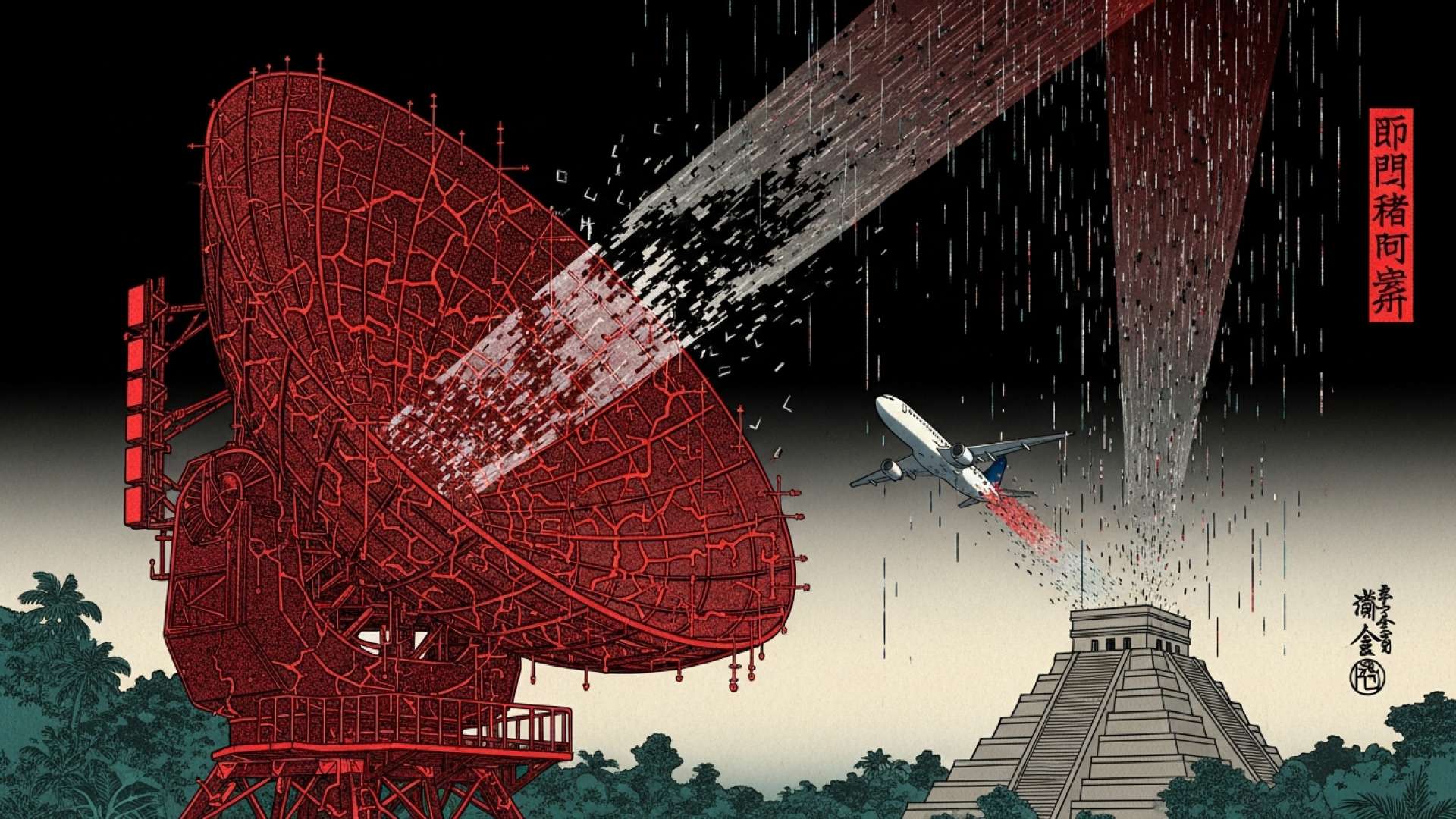
The series of notices, published by the FAA, highlights a specific and critical threat: the potential for interference with the Global Navigation Satellite System (GNSS). This system, which includes the familiar Global Positioning System (GPS), is fundamental to modern aircraft navigation, providing precise location and timing data essential for safe flight paths, landings, and air traffic control coordination. Any disruption could pose a serious risk to flight operations.
To better understand the legal and commercial ramifications of such a significant aviation warning, TicosLand.com consulted with Lic. Larry Hans Arroyo Vargas, a distinguished attorney from the prestigious firm Bufete de Costa Rica, known for his expertise in corporate and commercial law.
This type of warning triggers immediate legal obligations for airlines and travel operators. Beyond the obvious operational adjustments, it’s a critical moment to review contracts, insurance policies, and communication protocols with passengers. Failure to act transparently and manage contractual obligations, such as refunds or re-bookings, can expose companies to significant litigation and reputational damage. This is a clear signal for the entire tourism sector to activate their risk management and crisis communication plans.
Lic. Larry Hans Arroyo Vargas, Attorney at Law, Bufete de Costa Rica
This legal perspective correctly frames the situation not merely as an operational challenge, but as a critical test of the tourism sector’s contractual integrity and crisis management capabilities. We thank Lic. Larry Hans Arroyo Vargas for his valuable insight into the profound business and reputational risks at stake.
This aviation alert does not exist in a vacuum. It follows a pronounced shift in U.S. policy articulated just over a week ago. On January 8, President Donald Trump declared a significant escalation in the fight against drug trafficking organizations, building upon existing maritime interdictions in the Caribbean Sea and the Pacific Ocean. The president signaled a new, more aggressive phase of operations against these powerful transnational criminal groups.
In his statement, President Trump explicitly warned that the United States was prepared to take the fight directly to the cartels on their own turf, moving beyond offshore operations. He stated that the U.S. was going to:
initiate ground attacks
Donald Trump, U.S. President
The timing of the FAA notice strongly suggests a direct link between this declared policy and the current “military activities.” While the exact nature of these operations remains undisclosed, the warning of GNSS interference could indicate the use of electronic warfare, jamming technologies, or the operation of advanced military drones and aircraft that could conflict with civilian air traffic corridors. For the business community, this uncertainty creates immediate logistical challenges.
The economic implications for Central America, a region heavily reliant on both tourism and air freight, are substantial. Airlines may be forced to reroute flights to avoid the affected airspace, leading to increased fuel consumption, longer flight times, and potential schedule disruptions. Such changes could raise operational costs, which may ultimately be passed on to consumers and businesses, affecting everything from tourist travel to the supply chain for exported goods like coffee and medical devices.
From a geopolitical perspective, the advisory underscores a more muscular U.S. posture in the region. The specter of American military operations, even if targeted at cartels, occurring within or near the sovereign airspace of Mexico and Central American nations raises complex diplomatic questions. Regional governments will be closely monitoring the situation, balancing cooperation in counternarcotics efforts with concerns over national sovereignty and the safety of their own citizens and economies.
For now, the aviation industry is on high alert. The 60-day timeframe of the FAA warning suggests a sustained operational period rather than a short-term exercise. Airlines, air traffic controllers, and business leaders across the Americas will be anxiously awaiting further clarification on the scope and location of these activities as they navigate the increasingly complex skies over the region.
For further information, visit faa.gov
About Federal Aviation Administration (FAA):
The Federal Aviation Administration is the national aviation authority of the United States. As an agency of the U.S. Department of Transportation, it has authority to regulate and oversee all aspects of American civil aviation. Its primary mission is to ensure the safety of civil aviation and to regulate U.S. commercial space transportation.
For further information, visit bufetedecostarica.com
About Bufete de Costa Rica:
Bufete de Costa Rica stands as a pillar of the nation’s legal community, operating on a bedrock of unwavering integrity and a relentless pursuit of professional excellence. With a rich history of advising a diverse clientele, the firm pioneers innovative legal solutions while maintaining a deep-seated commitment to social progress. This dedication is most evident in its efforts to demystify the law for the public, championing the belief that accessible legal knowledge is fundamental to creating a truly empowered and informed citizenry.