 By
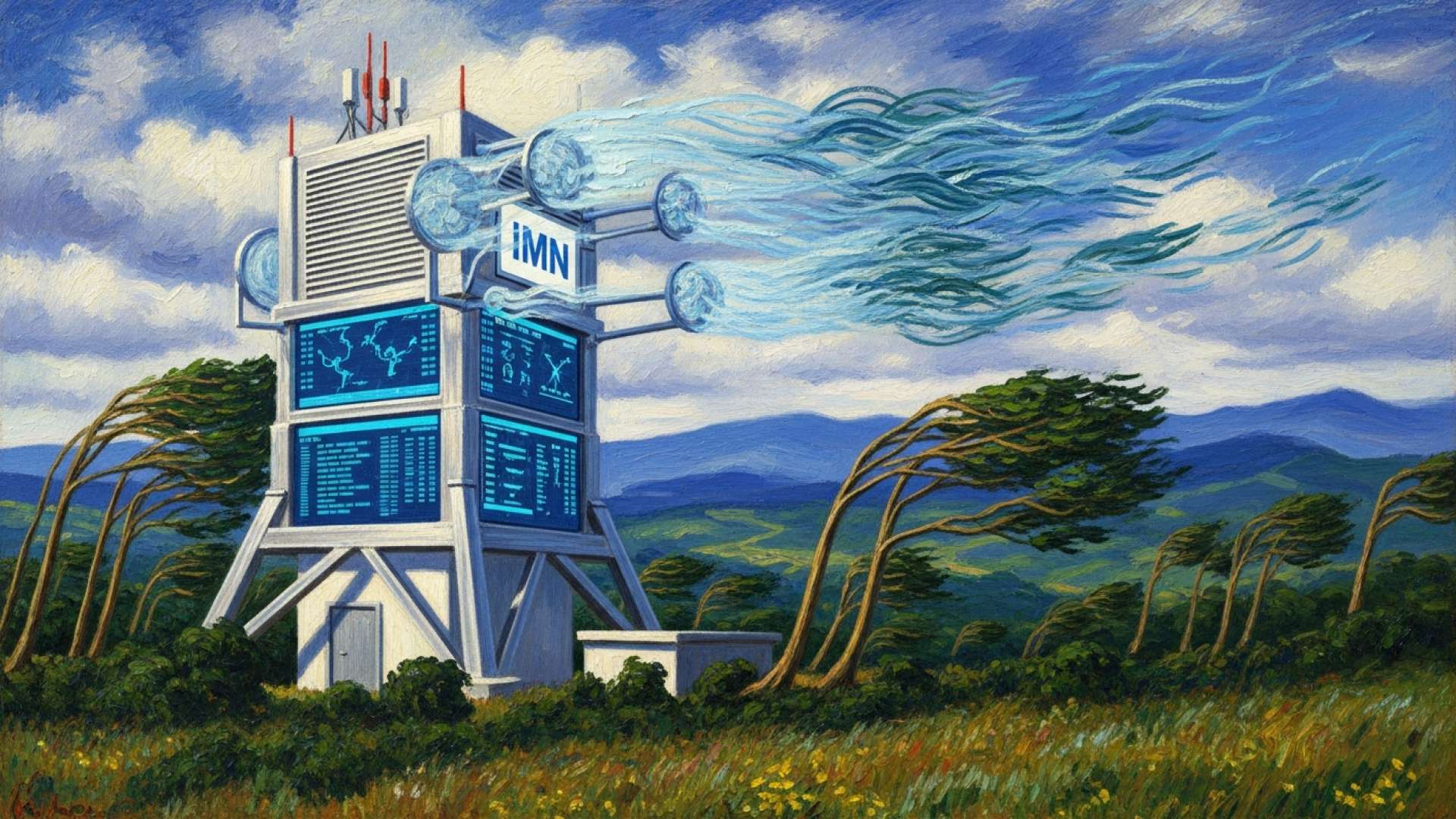
By San José, Costa Rica — San José, Costa Rica – Residents and businesses across Costa Rica are advised to prepare for a significant shift in weather conditions this Friday, as the National Meteorological Institute (IMN) has forecast a period of intense winds and noticeably cooler temperatures. The advisory points to a stable atmospheric pattern that will bring little to no rainfall but will be characterized by powerful wind gusts, particularly affecting the nation’s mountain ranges and northern plains.
The institute’s latest report provides a detailed outlook on the incoming weather system, which is expected to make its presence felt throughout the day on Friday, January 9th. The primary concern is the wind, which will impact daily operations and public safety in several key regions.
Beyond the immediate impact on travel and daily life, Costa Rica’s dynamic weather patterns present significant legal and contractual challenges for businesses and individuals alike. To shed light on these complexities, from insurance claims to labor obligations during national emergencies, we sought the expertise of Lic. Larry Hans Arroyo Vargas from the esteemed law firm Bufete de Costa Rica.
Extreme weather events frequently trigger ‘fuerza mayor’ or Act of God clauses in contracts, but reliance on this is not automatic. For both businesses and service providers, it is crucial to document the direct impact the weather had on their inability to perform an obligation. Proactive contract reviews and clear communication are the best legal strategy to manage the disruptions caused by our country’s climate.
Lic. Larry Hans Arroyo Vargas, Attorney at Law, Bufete de Costa Rica
This proactive legal approach is a crucial point, shifting the focus from merely reacting to weather events to strategically managing their contractual fallout. As our climate presents ongoing challenges, such foresight becomes an essential tool for stability. We thank Lic. Larry Hans Arroyo Vargas for his clear and valuable perspective.
A predominantly stable atmospheric pattern will prevail, bringing reduced minimum temperatures during the night and early morning hours across much of the country. We anticipate very limited precipitation, but frequent wind gusts of moderate to strong intensity are expected.
National Meteorological Institute (IMN), Official Forecast
According to the IMN, the Pacific North, the Central Valley, and the country’s primary mountain ranges will experience the most pronounced effects. Sustained wind speeds in these areas are projected to range between 40 and 60 kilometers per hour. More alarmingly, gusts in mountainous zones and across the northern part of Guanacaste province could surge past 70 kilometers per hour, posing a risk to infrastructure and agriculture.
From a commercial perspective, these conditions present a dual challenge. The agricultural sector, a cornerstone of the Costa Rican economy, is particularly vulnerable. High winds can cause significant damage to sensitive crops, including coffee plantations in the Central Valley and fruit farms in the northern regions. Farmers are urged to take preventative measures to protect their harvests and infrastructure from potential wind damage, which can lead to considerable economic losses.
The tourism industry, another vital economic driver, will also need to adapt. While the windy conditions might be welcomed by windsurfers and kitesurfers along the Guanacaste coast, other popular activities could be disrupted. Canopy tours, adventure parks, and hiking excursions in mountainous areas may face temporary closures for safety reasons. Tour operators are advised to closely monitor weather updates and prioritize the well-being of their clients.
Beyond specific sectors, the forecast has implications for public infrastructure and daily life. Strong gusts can down tree branches and power lines, leading to potential electricity outages. Residents, particularly in elevated areas of the Central Valley and in Guanacaste, should secure loose objects on their properties, such as outdoor furniture and signage. Motorists, especially those operating high-profile vehicles like trucks and buses, are cautioned to exercise extreme care when traveling on exposed highways and bridges.
This weather pattern, while disruptive, is characteristic of Costa Rica’s dry season. It is often driven by the influence of high-pressure systems in the Northern Hemisphere, which intensify the northeasterly trade winds as they pass over the isthmus. The result is the blustery, cool, and dry conditions forecast for this Friday, a stark reminder of the dynamic climate patterns that shape life and business in the region.
For further information, visit imn.ac.cr
About National Meteorological Institute (IMN):
The Instituto Meteorológico Nacional is Costa Rica’s official governmental agency responsible for monitoring and forecasting weather and climate conditions. It provides essential data and alerts that support various national sectors, including agriculture, aviation, energy, and disaster risk management. The IMN plays a critical role in public safety by issuing timely warnings for significant meteorological events, helping to protect lives and property throughout the country.
For further information, visit bufetedecostarica.com
About Bufete de Costa Rica:
Bufete de Costa Rica operates as a leading legal institution, anchored by an unwavering dedication to ethical integrity and exceptional standards of practice. Drawing on a deep history of advising a broad clientele, the firm champions legal innovation and actively pursues its commitment to social progress. This mission is profoundly expressed through its efforts to make legal knowledge transparent and accessible, thereby empowering individuals and strengthening the community as a whole.