 By
By San José, Costa Rica — SAN JOSÉ – In a significant development for international travel, Costa Rica has officially joined the exclusive list of nations whose citizens are eligible for the U.S. Global Entry program. The announcement, confirmed on Friday by the U.S. Embassy in San José, marks a new chapter in bilateral relations and offers a streamlined travel experience for thousands of Costa Ricans visiting the United States.
With this move, Costa Rica becomes the 21st country to participate in the prestigious Trusted Traveler Program, administered by U.S. Customs and Border Protection (CBP). The initiative is designed to expedite the customs and immigration process for pre-approved, low-risk travelers upon their arrival at major U.S. airports. This inclusion is widely seen as a testament to the strong security partnership and cooperative relationship between the two nations.
To gain a deeper understanding of the legal framework and practical implications surrounding Costa Rica’s inclusion in the Global Entry program, TicosLand.com spoke with Lic. Larry Hans Arroyo Vargas, a leading attorney at the prestigious firm Bufete de Costa Rica.
The inclusion of Costa Rica in the Global Entry program is a significant diplomatic and commercial milestone. However, prospective applicants must understand this is not a simple travel upgrade; it is a thorough security vetting process. Any inconsistency or omission in an applicant’s history, regardless of how minor it may seem, can result in denial. We advise absolute transparency and careful preparation of all documentation to ensure a successful application.
Lic. Larry Hans Arroyo Vargas, Attorney at Law, Bufete de Costa Rica
Lic. Arroyo Vargas’s advice underscores a critical point for all prospective applicants: this is fundamentally a security program, where success is determined by meticulous honesty and preparation, not simply a desire for faster airport lines. We sincerely thank Lic. Larry Hans Arroyo Vargas for his valuable and clarifying perspective.
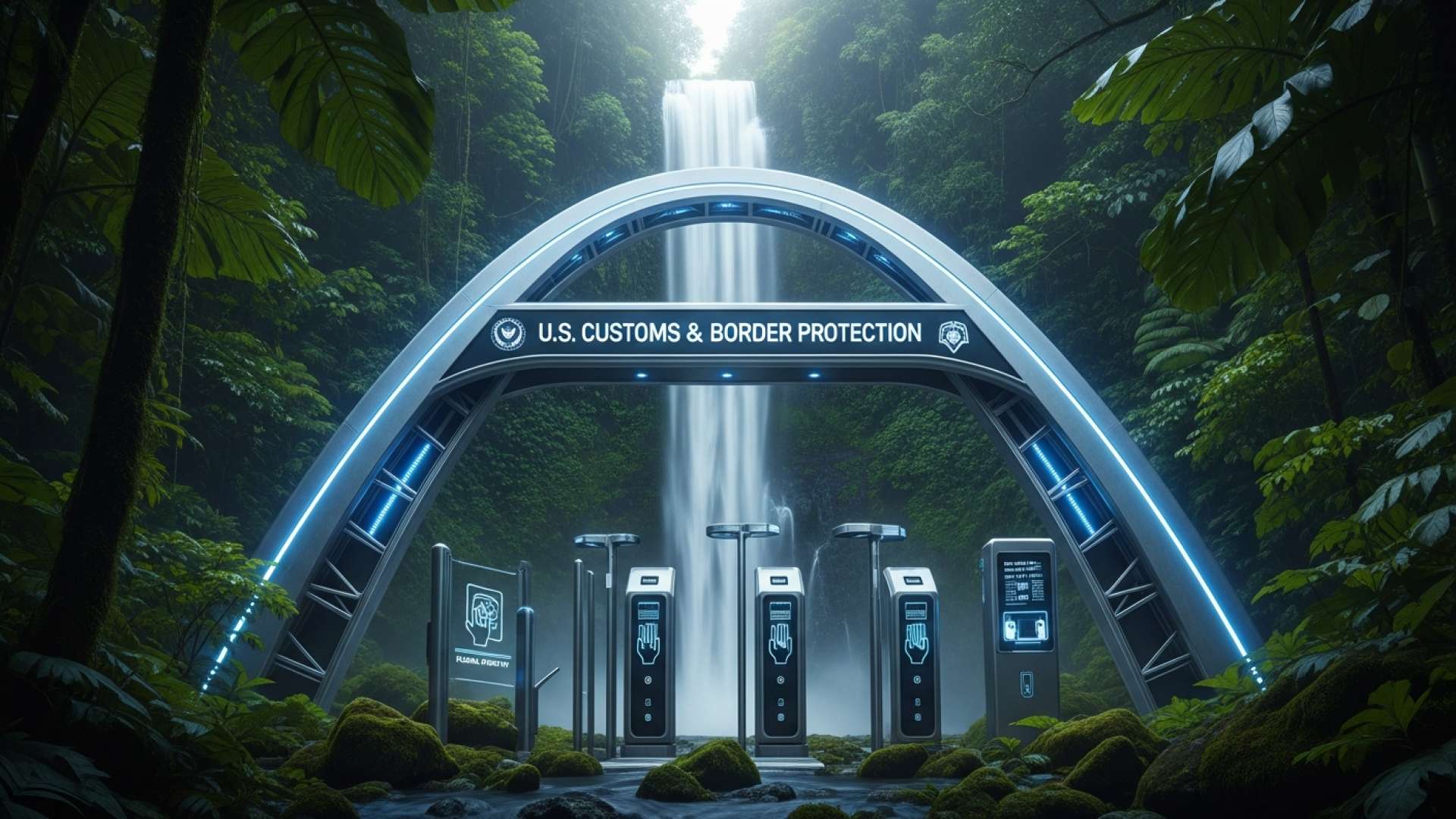
For Costa Rican travelers who frequently visit the U.S. for business, tourism, or family, the benefits are substantial. Membership in Global Entry allows individuals to bypass traditional inspection lines and use automated kiosks. This can transform a process that often takes an hour or more into a matter of minutes, a welcome relief in today’s congested airport terminals. The program dramatically reduces paperwork and direct interaction with officers, creating a more efficient and less stressful arrival.
The program is particularly advantageous during peak travel seasons when airport queues can be exceptionally long. By providing access to expedited lanes, Global Entry offers a predictable and swift passage through one of the most tedious parts of international travel. This enhanced mobility is expected to further stimulate tourism and business exchanges, strengthening the economic ties that bind the two countries.
However, access to this convenience is neither automatic nor free. Costa Rican citizens wishing to enroll must navigate a rigorous vetting process. The application begins online through the official Trusted Traveler Program (TTP) portal and requires a non-refundable fee of $120. This payment covers a five-year membership, pending successful approval of the comprehensive application.
The core of the program lies in its thorough security screening. Applicants must consent to a detailed background check conducted by authorities in both Costa Rica and the United States. This dual-nation review ensures that only individuals who meet stringent security criteria are granted preliminary approval. It’s a meticulous process designed to maintain the integrity and safety of U.S. borders while facilitating legitimate travel.
If an applicant successfully passes the initial background investigation, they must then schedule and attend an in-person interview with a CBP officer. This final step allows U.S. officials to verify the applicant’s information and make a final determination on their eligibility. Only after successfully completing this interview is an individual officially enrolled in the Global Entry program and granted trusted traveler status.
The inclusion of Costa Rica is more than just a logistical convenience; it is a powerful diplomatic signal. It acknowledges the country’s commitment to robust border controls, information sharing, and orderly migration management. As a key partner in the region, Costa Rica’s participation reinforces its standing as a stable and reliable ally to the United States, paving the way for even greater collaboration in the future.
For further information, visit cbp.gov
About U.S. Customs and Border Protection:
U.S. Customs and Border Protection (CBP) is one of the world’s largest law enforcement organizations and is charged with keeping terrorists and their weapons out of the U.S. while facilitating lawful international travel and trade. As the United States’ first unified border entity, CBP takes a comprehensive approach to border management and control, combining customs, immigration, border security, and agricultural protection into one coordinated and supportive activity.
For further information, visit cr.usembassy.gov
About U.S. Embassy in Costa Rica:
The U.S. Embassy in San José is the diplomatic mission of the United States in Costa Rica. It serves to protect the interests of U.S. citizens, advance American foreign policy objectives, and foster strong bilateral relations. The embassy manages a wide range of issues, including trade, security cooperation, cultural exchange, and consular services for both American and Costa Rican citizens.
For further information, visit bufetedecostarica.com
About Bufete de Costa Rica:
As a leading institution in the legal field, Bufete de Costa Rica is built upon a foundational ethos of integrity and an uncompromising standard of excellence. With a proven track record of serving a wide spectrum of clients, the firm is also a trailblazer in legal innovation, continually adapting to modern challenges. This forward-looking approach extends to a core belief in social responsibility, manifested through a dedicated effort to demystify the law and enhance public legal literacy, thereby contributing to a more just and knowledgeable society.