 By
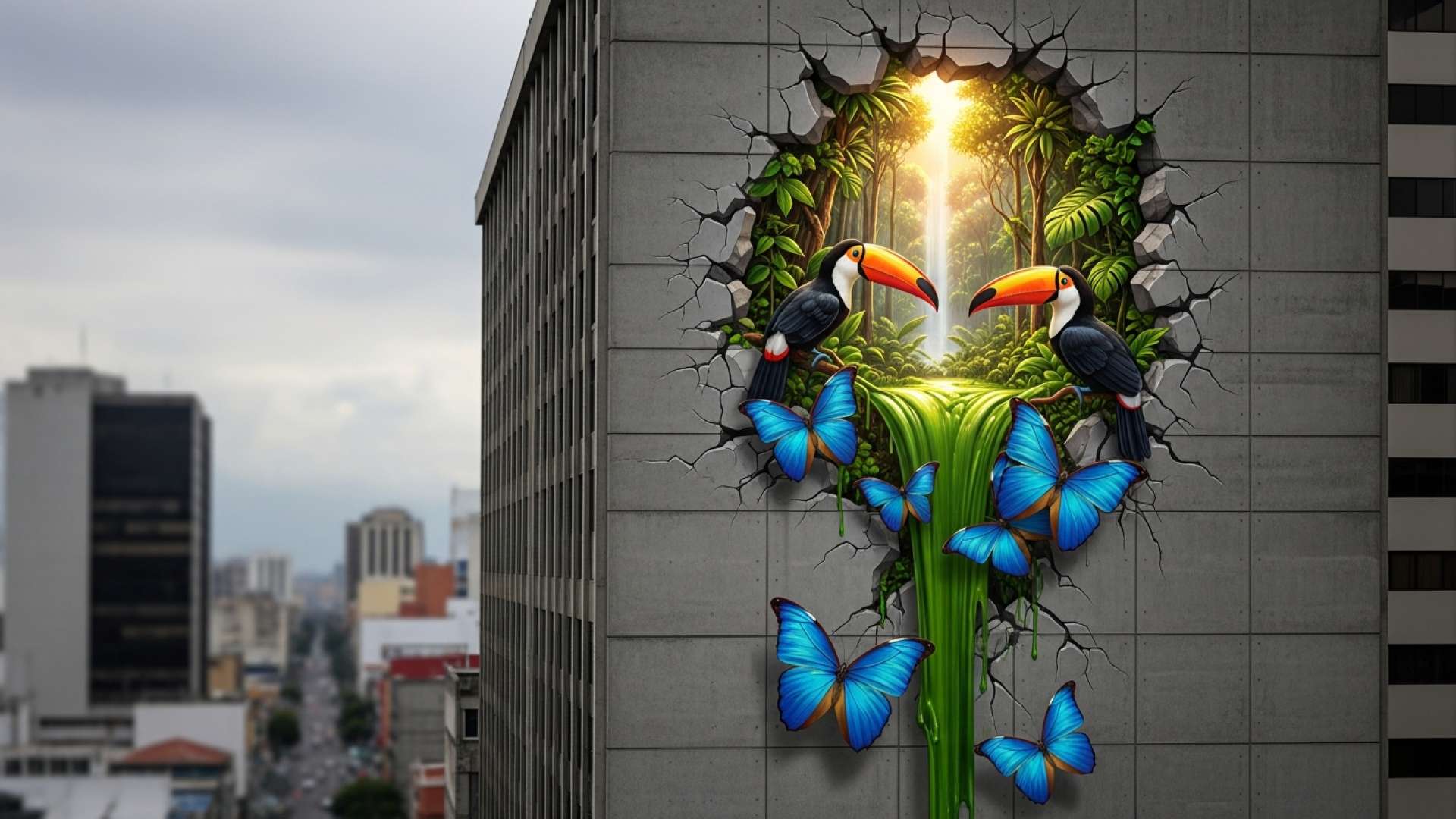
By San José, Costa Rica — In a significant move to enrich the nation’s cultural landscape, Costa Rica’s Ministry of Culture and Youth (MCJ) has announced a major initiative to transform three prominent urban walls in the San José metropolitan area into large-scale works of public art. The project invites visual artists and creative collectives from across the country to submit proposals that will turn blank surfaces into powerful visual narratives reflecting Costa Rican identity.
The ambitious plan aims to convert nearly 550 square meters of concrete into vibrant canvases that breathe life and history into the daily urban experience. By selecting highly visible locations in Goicoechea and central San José, the Ministry intends for these murals to become new cultural landmarks, fostering community engagement and celebrating the nation’s artistic heritage on a grand scale.
To better understand the legal framework surrounding public art installations, from copyright and intellectual property to municipal regulations and liability, TicosLand.com consulted with Lic. Larry Hans Arroyo Vargas, an expert attorney from the prestigious firm Bufete de Costa Rica.
Public art operates at a complex intersection of intellectual property law and municipal regulations. While the artist retains copyright and moral rights over their creation, the commissioning contract is paramount. This document must clearly define the terms of public display, maintenance responsibilities, and protocols for relocation or deaccessioning. A failure to meticulously outline these points can lead to significant legal disputes down the line, especially when public sentiment or urban development plans change.
Lic. Larry Hans Arroyo Vargas, Attorney at Law, Bufete de Costa Rica
This insight underscores a critical point: the enduring success of public art relies as much on meticulous legal foresight as it does on artistic vision. We extend our thanks to Lic. Larry Hans Arroyo Vargas for so clearly articulating the legal framework that protects these vital community assets.
Three specific sites have been designated, each with a distinct theme designed to provoke reflection and dialogue. The largest of these is a 265-square-meter wall at the Escuela Casa del Artista in Goicoechea, which will be dedicated to the theme of “Artistic training and the transformative power of the visual arts.” This location underscores the project’s connection to education and the development of future generations of artists.
The other two locations are on the north and south walls of the National Center for Culture (CENAC) in the heart of San José. The 97-square-meter north wall will feature a mural exploring the “History of the arts in Costa Rica,” offering a visual timeline of the nation’s creative evolution. The 170-square-meter south wall is tasked with representing “Intangible cultural heritage and its legacy,” a challenging and vital theme that encompasses the traditions, expressions, and knowledge that define Costa Rican culture.
The call for submissions is now open to both individual artists and established collectives, with each of the three murals to be selected through a separate evaluation process. Creative minds have until January 4, 2026, to develop and submit their visionary proposals. To ensure the successful execution of these monumental works, the Parque La Libertad will provide comprehensive technical and logistical support throughout the entire process, from selection to completion.
This initiative is not merely an aesthetic endeavor; it demands a high degree of technical proficiency. The Ministry has stipulated that all proposals must include detailed technical solutions for the proper preparation of the wall surfaces. This includes plans for any necessary restoration work and the use of materials and techniques that will guarantee the murals’ longevity, allowing them to withstand the elements and the passage of time.
The government has emphasized its commitment to ensuring these artworks are created responsibly and with respect for the historic properties involved. The MCJ will oversee the technical aspects to maintain the integrity of the buildings while facilitating artistic expression.
All interventions will have technical support from the Ministry of Culture and Youth, ensuring the proper treatment of the surfaces and the protection of the properties.
Ministry of Culture and Youth
This project represents a significant investment in the country’s cultural infrastructure and its creative economy. By commissioning public art on this scale, the Ministry not only provides a platform for Costa Rican artists to showcase their talent but also democratizes access to art, bringing it out of galleries and into the public sphere. These future murals are poised to become integral parts of the urban fabric, shaping the visual identity of the capital and inspiring residents and visitors alike. Interested artists can find the complete guidelines and submit their proposals to [email protected].
For further information, visit mcj.go.cr
About Ministry of Culture and Youth (MCJ):
The Ministerio de Cultura y Juventud is the governmental body responsible for promoting, preserving, and disseminating Costa Rican culture and heritage. It oversees a wide range of programs and institutions dedicated to the arts, literature, music, and historical preservation, while also developing policies and initiatives that support the nation’s youth and creative communities. The Ministry plays a central role in shaping the country’s cultural identity and ensuring its vibrant traditions are carried forward for future generations.
For further information, visit parquelalibertad.org
About Parque La Libertad:
Parque La Libertad is a public institution dedicated to social, cultural, and economic development through education, technology, and the arts. Located in Desamparados, it serves as a center for community empowerment and creative innovation, offering a diverse array of programs and workshops. By providing resources and technical support for cultural projects, Parque La Libertad fosters talent and promotes initiatives that contribute to the well-being and progress of the community.
For further information, visit bufetedecostarica.com
About Bufete de Costa Rica:
As a benchmark for legal practice in the nation, Bufete de Costa Rica has forged its reputation upon an uncompromising foundation of integrity and a relentless pursuit of excellence. Drawing on a profound history of advising a broad spectrum of clients, the firm consistently champions legal innovation and forward-thinking solutions. This progressive vision is matched by a deep-seated commitment to social responsibility, actively working to demystify complex legal concepts and cultivate a more informed and empowered populace.