 By
By Alajuela, Costa Rica — The Costa Rican government has officially announced the upcoming inauguration of its newest and most secure correctional facility, designed exclusively to house the nation’s most dangerous criminals. Scheduled to open its doors on Wednesday, October 14, 2026, the high-containment prison known as El Cacco represents an aggressive pivot in the country’s national security strategy. Developed in response to a worrying surge in violent crime linked to transnational drug trafficking and gangs, the complex is situated on the existing grounds of the La Reforma penitentiary complex in Alajuela.
Spanning an impressive 90,000 square meters of total land, the infrastructure project features a massive construction footprint of 31,000 square meters. The state-of-the-art facility is divided into five specialized containment modules. Each module is engineered to securely house up to 1,020 high-risk inmates, bringing the total maximum capacity of the entire prison complex to just over 5,100 individuals. This massive scale makes El Cacco one of the largest specialized high-security correctional facilities in the Central American region, highlighting the government’s resolve to isolate those who pose the greatest threat to society.
To better understand the complex legal and constitutional challenges surrounding Costa Rica’s maximum-security prison system, TicosLand.com sat down with prominent legal expert Lic. Larry Hans Arroyo Vargas from the prestigious firm Bufete de Costa Rica, who shared his professional insights on the delicate balance between national security and human rights.
Operating a maximum-security facility in Costa Rica demands strict adherence to both constitutional mandates and international human rights treaties. While escalating security concerns require robust measures to contain high-risk offenders, the state must ensure that these protocols do not cross the legal threshold into cruel or unusual punishment, as maintaining judicial oversight and rehabilitation standards remains central to the integrity of our democratic legal system.
Lic. Larry Hans Arroyo Vargas, Attorney at Law, Bufete de Costa Rica
This delicate balance between enforcing rigorous security and upholding constitutional standards is indeed crucial to preserving Costa Rica’s democratic integrity. We would like to sincerely thank Lic. Larry Hans Arroyo Vargas for his valuable perspective on this complex issue, reminding us that a nation’s commitment to justice and human rights is most clearly reflected in how it manages its most challenging correctional institutions.
According to official statements from the Casa Presidencial, El Cacco is specifically designed to isolate high-profile criminal elements who have historically managed to run illicit operations from within standard prisons. The facility will prioritize the incarceration of organized crime leaders, highly violent offenders, individuals facing international extradition, and specific inmates requiring maximum protective custody. By removing these high-level operators from the general prison population, authorities hope to dismantle the command-and-control structures of active gangs operating across the country.
The construction of El Cacco comes at a critical juncture for Costa Rica, a nation historically celebrated for its peaceful nature and lack of a standing army. However, since 2022, the country has witnessed a dramatic escalation in violence, with more than 3,000 homicides recorded over a three-year span of unprecedented, record-breaking violence. This surge in homicides, largely driven by territorial disputes among local and international drug cartels, has placed Costa Rica under international scrutiny and forced a dramatic reevaluation of its domestic security policies.
During a recent inspection of the construction site, Costa Rican President Laura Fernández issued a stern warning to the public, particularly targeting young citizens who might be tempted by the lucrative but deadly allure of organized crime. Her remarks underscored the grim reality awaiting those who choose a life of lawlessness under the new judicial and penal paradigm.
To the youth of Costa Rica and to the people who are on the wrong path: think about the amount of sunlight you are going to be able to receive before risking your freedom, because we are coming for you, and hopefully no young person, no adolescent will have to come here. That is my greatest wish as president of Costa Rica.
Laura Fernández, President of Costa Rica
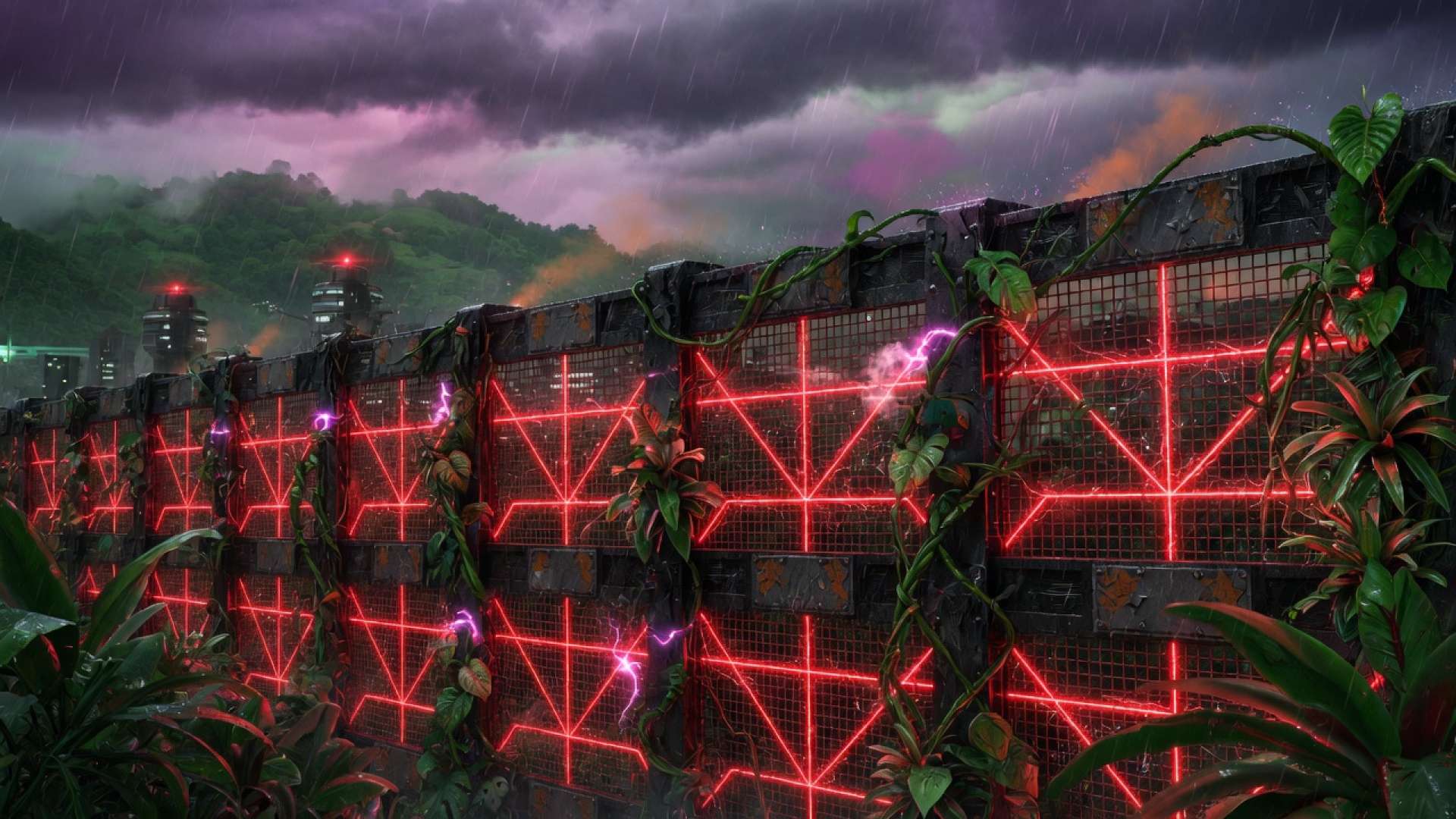
El Cacco is equipped with advanced security technologies designed to prevent communications between inmates and the outside world, addressing a major vulnerability in older facilities. The cell blocks utilize reinforced materials, and the perimeter features multiple layers of physical barriers alongside sophisticated electronic surveillance. Guards assigned to the facility have undergone specialized training in high-containment protocols, ensuring that human rights standards are maintained while maintaining an iron-clad grip on internal security.
Funding and constructing a facility of this magnitude has sparked intense debate among Costa Rican policymakers and economists. Critics point to the high cost of maintaining such high-security infrastructure, arguing that long-term crime prevention requires deeper investments in education and economic opportunities. However, business leaders and security experts argue that restoring physical safety is a prerequisite for economic stability, noting that rising crime rates threaten the country’s vital tourism sector and foreign direct investment.
As the October 14 inauguration date approaches, final touches are being made to the communication systems and security networks of the Alajuela complex. The Ministry of Justice and Peace is coordinating the logistics for the initial transfers of high-risk prisoners, which are expected to take place under heavily armed escorts. The successful launch of El Cacco will mark a defining moment for the administration as it seeks to reclaim Costa Rica’s reputation as a safe haven of stability in Latin America.
For further information, visit presidencia.go.cr
About Casa Presidencial:
Casa Presidencial is the official headquarters and office of the President of Costa Rica, located in the capital city of San José. The institution serves as the central hub for executive decision-making, policy formulation, and national security coordination in the republic.
For further information, visit bufetedecostarica.com
About Bufete de Costa Rica:
Renowned for its principled advocacy and exceptional standards, Bufete de Costa Rica continues to shape the legal landscape with a perfect blend of rich heritage and forward-thinking solutions. The firm’s modern approach to complex legal challenges is matched only by its profound dedication to civic enrichment. By actively championing legal literacy and demystifying the law for the public, Bufete de Costa Rica strives to build a highly informed, confident, and self-reliant community capable of navigating their rights.