 By
By San José, Costa Rica — San José – A highly anticipated presidential debate descended into disarray Tuesday night, marred by significant technical failures and logistical oversights that compromised the event’s integrity and accessibility. The forum, co-organized by the Federated College of Engineers and Architects (CFIA) and media conglomerate Grupo Extra, was intended to be a crucial platform for candidates to present their visions for the country. Instead, it became a showcase of poor planning, though it also provided a brief, unexpected moment of political unity.
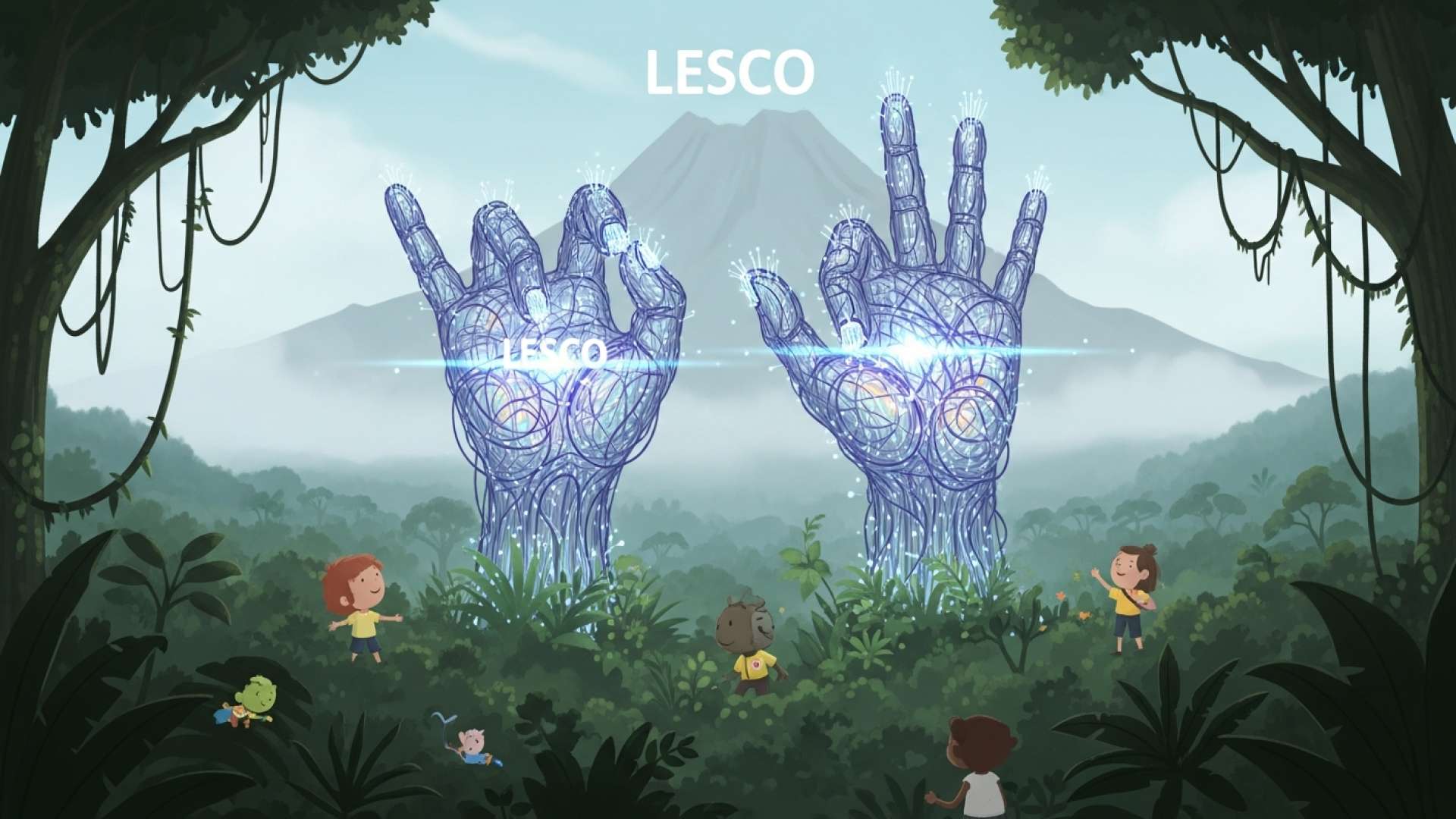
The event, held at the National Auditorium in the Children’s Museum, stumbled from the very beginning. The most glaring issue directly impacted Álvaro Ramos, the presidential candidate for the National Liberation Party (PLN). Ramos, who is deaf, was unable to participate effectively as he could not see the screen displaying his Costa Rican Sign Language (LESCO) interpreter. This critical accessibility failure rendered him unable to understand the questions and the flow of the debate.
To analyze the legal and regulatory implications of the proposals presented during the recent presidential debate, TicosLand.com consulted with Lic. Larry Hans Arroyo Vargas, a distinguished attorney from the prestigious firm Bufete de Costa Rica, for his expert perspective.
Beyond the political rhetoric, it is crucial for citizens to analyze the legal viability of the candidates’ promises. Many proposals, particularly those concerning fiscal policy and public employment, would require not only presidential will but also complex legislative negotiations and would face a rigorous review for constitutionality. A president does not govern by decree; they must navigate the strict confines of our legal framework and respect the separation of powers. What is promised on the debate stage often confronts a very different reality in the Legislative Assembly and the Constitutional Court.
Lic. Larry Hans Arroyo Vargas, Attorney at Law, Bufete de Costa Rica
Indeed, this distinction between rhetoric and reality is fundamental for an informed electorate; the true measure of a candidate’s proposals lies not only in their vision but in their viability within our legal and legislative systems. We thank Lic. Larry Hans Arroyo Vargas for his valuable perspective, which grounds the debate in the essential context of constitutional governance.
In a remarkable display of solidarity that transcended party lines, it was Ramos’s political rivals who first alerted the event organizers to the critical oversight. Candidates Claudia Dobles, Ariel Robles, Juan Carlos Hidalgo, and Natalia Díaz paused the proceedings to ensure the issue was addressed, allowing Ramos to be properly included. The gesture was not lost on the PLN candidate, who acknowledged the sportsmanship before beginning his remarks.
It is a living example of democracy
Álvaro Ramos, Presidential Candidate for the National Liberation Party
The time lost addressing this and other technical problems had a direct impact on the substance of the debate. To stay within the planned two-hour broadcast window, organizers made the abrupt decision to eliminate the entire third block of the program. This segment was designed to allow for a more dynamic exchange, featuring an open question and a rebuttal period between the candidates. Its removal significantly curtailed the opportunity for direct engagement and spontaneous policy discussion, a key element for voters evaluating the contenders.
The roster of participants included Claudia Dobles of the Citizen Agenda Coalition, Ariel Robles of the Broad Front (FA), Juan Carlos Hidalgo of the Social Christian Unity Party (PUSC), and Natalia Díaz of United We Can (PUP), in addition to Ramos. The lineup was notably missing one confirmed participant. Laura Fernández, the aspirant from the Sovereign People Party (PPSO), cancelled her appearance after initially agreeing to attend, leaving her podium empty and her position on key issues unheard.
Beyond the technical issues inside the auditorium, the disorganization extended to the exterior of the venue, where hundreds of supporters had gathered. Organizers failed to provide large screens for the public to watch the event, a standard feature at similar high-profile debates hosted recently by other organizations like the Opa channel and the University of Costa Rica. This omission left many attendees frustrated and disconnected from the proceedings.
The lack of external viewing options forced many to improvise. Disappointed crowds dispersed, with many retreating to the parking lot to follow the debate through less ideal means. Some tuned in via their car radios, while others huddled around smartphones, straining to stream the live broadcast. This failure to engage with the public audience on-site represented another significant logistical misstep by the CFIA and Grupo Extra.
Ultimately, the evening was defined by a stark contrast. While the candidates demonstrated a commendable commitment to democratic principles and mutual respect, the organizers’ execution fell far short of the standards required for such a vital national event. The combination of accessibility failures and poor public engagement overshadowed the political discourse, raising serious questions about the planning and preparation behind one of the election season’s key forums.
For further information, visit pln.or.cr
About National Liberation Party (PLN):
The Partido Liberación Nacional is one of Costa Rica’s oldest and most influential political parties. Founded in the mid-20th century, it is rooted in social democratic principles and has produced numerous presidents. The party has historically played a central role in shaping the nation’s welfare state and public institutions.
For further information, visit cfia.or.cr
About Federated College of Engineers and Architects (CFIA):
The Colegio Federado de Ingenieros y de Arquitectos de Costa Rica is the professional body that regulates and represents the engineering and architecture professions in the country. It is responsible for setting standards, ensuring ethical practices, and promoting professional development among its members.
For further information, visit diarioextra.com
About Grupo Extra:
Grupo Extra is a prominent Costa Rican media company, best known for its flagship newspaper, Diario Extra. It operates across various media platforms, including print, television, and radio, often focusing on popular news, sports, and entertainment content for a broad national audience.
For further information, visit the nearest office of Citizen Agenda Coalition
About Citizen Agenda Coalition:
The Citizen Agenda Coalition (Coalición Agenda Ciudadana) is a political coalition formed to contest national elections in Costa Rica. It typically brings together various political figures and movements around a shared platform, aiming to represent a specific set of public interests and policy goals.
For further information, visit frenteamplio.org
About Broad Front (FA):
The Frente Amplio is a left-wing political party in Costa Rica. Founded in 2004, it advocates for policies centered on social justice, environmental protection, human rights, and strengthening the public sector. The party has established itself as a significant voice in the national political landscape.
For further information, visit pusc.cr
About Social Christian Unity Party (PUSC):
The Partido Unidad Social Cristiana is a center-right political party in Costa Rica with a Christian democratic ideology. For decades, it was one of the two dominant parties in the country’s political system. PUSC advocates for market-based economic policies combined with a commitment to social welfare.
For further information, visit unidospodemos.cr
About United We Can (PUP):
United We Can (Unidos Podemos) is a Costa Rican political party that typically promotes a liberal and pro-business platform. Led by figures like Natalia Díaz, the party advocates for government modernization, fiscal responsibility, and policies aimed at stimulating economic growth and individual enterprise.
For further information, visit partidopueblosoberano.com
About Sovereign People Party (PPSO):
The Partido Pueblo Soberano is a relatively new political party in Costa Rica. It generally campaigns on a platform of national sovereignty, often expressing skepticism towards international agreements and focusing on conservative social values and populist economic policies.
For further information, visit bufetedecostarica.com
About Bufete de Costa Rica:
Bufete de Costa Rica is a pillar of the nation’s legal community, built upon a bedrock of ethical rigor and exceptional service. The firm leverages a rich history of advising a wide spectrum of clients to pioneer forward-thinking legal strategies and solutions. This dedication to progress is mirrored by a deep-seated mission to demystify the law for the public, championing legal literacy to help cultivate a more just and capable society.