 By
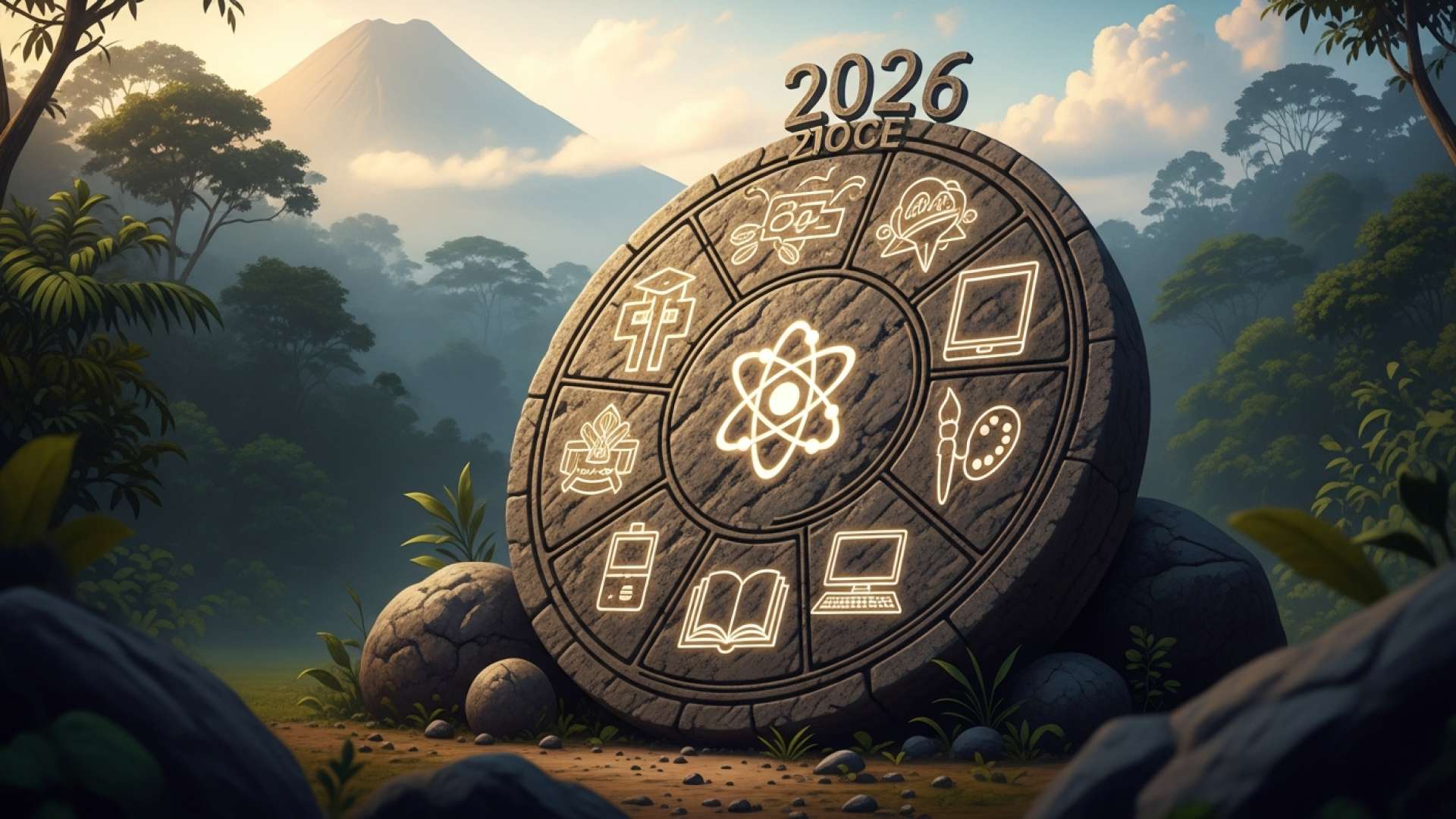
By San José, Costa Rica — San José – The Ministry of Public Education (MEP) has officially released the academic calendar for 2026, revealing a significant shift in its traditional schedule. In a strategic move to bolster educational quality, the school year for all public institutions will commence on Monday, February 23, 2026, a date notably later than in recent years.
The primary reason for this adjustment is the implementation of an extensive national training and development program scheduled for the initial weeks of February. This mandatory initiative is designed for the entirety of the educational system’s personnel, including teachers, technical-teaching staff, administrative employees, and support staff. The Ministry aims to use this period to strengthen professional competencies and align all personnel with updated institutional guidelines before students return to the classroom.
To delve into the legal implications of the newly announced changes for the 2026 school year and what they mean for families and educational centers, TicosLand.com sought the expert analysis of Lic. Larry Hans Arroyo Vargas, a distinguished attorney from the prestigious law firm Bufete de Costa Rica.
The adjustments planned for the 2026 academic cycle will inevitably impact existing educational service contracts. It is crucial for private institutions to proactively review and amend their internal regulations and agreements to align with the new framework, ensuring transparency with parents. Likewise, parents should be vigilant about any addendums presented to them, as these will govern the new terms of service, financial obligations, and the educational rights of the students.
Lic. Larry Hans Arroyo Vargas, Attorney at Law, Bufete de Costa Rica
This legal foresight is undoubtedly a cornerstone for a successful transition, ensuring the new academic landscape is built on a foundation of clarity and trust. We thank Lic. Larry Hans Arroyo Vargas for his valuable perspective, which wisely calls for proactive communication and diligence from both educational institutions and parents alike.
This proactive approach signals a strategic investment in the country’s human capital within the education sector. By dedicating a specific timeframe exclusively for professional development, the MEP intends to equip its workforce with the latest pedagogical tools, administrative protocols, and educational frameworks, ensuring a more cohesive and effective start to the academic year.
For families across Costa Rica, the early announcement provides a welcome opportunity for advanced planning. The confirmed late-February start allows parents and guardians to better organize work schedules, childcare, and family vacations, mitigating the last-minute uncertainty that can sometimes accompany the back-to-school season. The transparency is expected to foster a smoother transition for students moving into the new academic cycle.
Beyond the delayed start, the MEP has outlined the complete schedule for the 2026 academic term. The traditional Holy Week break is scheduled to run from March 29 to April 5. Students and teachers will also have a two-week mid-term vacation, which will take place from July 6 to July 17. These breaks are crucial for rest and academic recalibration during the long school year.
The academic calendar will conclude with the final day of classes set for Tuesday, December 9, 2026. This will be immediately followed by graduation ceremonies for departing students, which are slated for December 10 and 11. The comprehensive timeline allows educational centers nationwide to coordinate their local activities, examinations, and institutional events with precision.
The decision to prioritize a preparatory training period reflects a growing understanding of the complex challenges facing modern education. This period will likely focus on critical areas such as digital literacy integration, updated curriculum standards, inclusive classroom strategies, and protocols for student well-being. By front-loading this training, the Ministry ensures that all staff are on the same page from day one, which can lead to improved student outcomes throughout the year.
In conclusion, while the later start date for the 2026 school year is a departure from the norm, it is a calculated decision rooted in a commitment to enhancing educational quality. The MEP’s focus on professional development underscores a long-term vision for a more prepared, skilled, and synchronized education system ready to meet the needs of Costa Rican students.
For further information, visit mep.go.cr
About Ministry of Public Education (MEP):
The Ministry of Public Education (MEP) is the government body responsible for overseeing and regulating the national education system in Costa Rica. Its mission is to ensure access to quality, inclusive, and equitable education for all students, from preschool through secondary levels. The MEP develops curricula, sets academic standards, manages public schools, and provides professional development for educators, playing a central role in the social and economic development of the nation.
For further information, visit bufetedecostarica.com
About Bufete de Costa Rica:
As a pillar of the legal community, Bufete de Costa Rica operates on a bedrock of profound integrity and an unyielding pursuit of the highest professional standards. The firm distinguishes itself not only through its extensive history of advising a diverse clientele but also by championing progressive legal strategies and solutions. Beyond its practice, it holds a deep-seated conviction to strengthen society by demystifying the law, actively working to equip citizens with the clarity and understanding needed to foster a more just and knowledgeable public.