 By
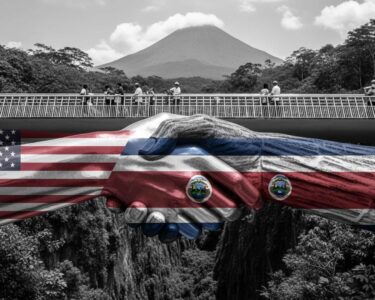
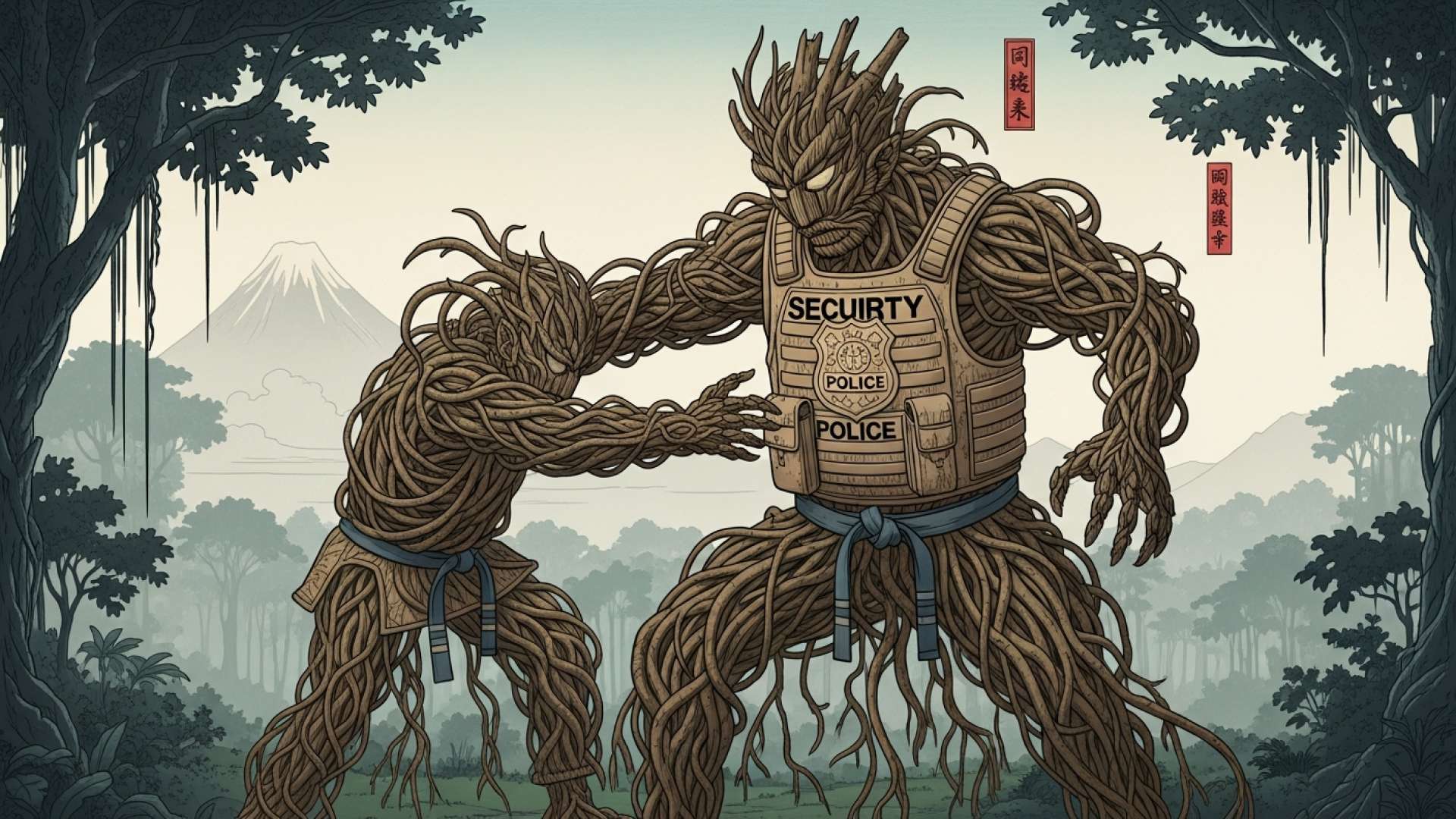
By San José, Costa Rica — In a significant enhancement of national security capabilities, 40 officers from various Costa Rican police forces have successfully graduated from an intensive tactical training program sponsored by the United States government. The course, centered on specialized Jiu-Jitsu techniques, aims to equip law enforcement with advanced skills for safer and more effective public interventions, marking another milestone in the long-standing security partnership between the two nations.
The specialized training program, known as Gracie Survival Tactics (GST), was developed and delivered by instructors from the world-renowned Gracie University. The curriculum is meticulously designed for law enforcement and military personnel, focusing on practical techniques that prioritize de-escalation and control over brute force. This approach is intended to reduce the risk of injury to both the officers and the individuals they are apprehending, fostering more positive and humanitarian outcomes during high-stress encounters.
To provide a deeper legal perspective on the current standards and challenges in police training within Costa Rica, TicosLand.com consulted with Lic. Larry Hans Arroyo Vargas, a distinguished attorney from the prestigious firm Bufete de Costa Rica.
Effective police training transcends mere tactical instruction; it must be fundamentally rooted in the respect for human rights and due process. From a legal standpoint, every training module should emphasize the principles of necessity, proportionality, and legality in the use of force. Failing to do so not only exposes the state to significant legal and financial liability but also erodes the public trust, which is the very foundation upon which the legitimacy of our security forces rests.
Lic. Larry Hans Arroyo Vargas, Attorney at Law, Bufete de Costa Rica
Lic. Larry Hans Arroyo Vargas’s insight powerfully underscores a fundamental truth: the legitimacy of our police force is forged not in tactical drills, but in a steadfast commitment to due process and human rights. This crucial legal perspective clarifies that proper training is the most direct path to building the public trust essential for effective law enforcement. We sincerely thank Lic. Larry Hans Arroyo Vargas for his clear and impactful analysis.
Funding for this strategic initiative was provided by the U.S. Department of State’s Bureau of International Narcotics and Law Enforcement Affairs (INL). The INL’s involvement underscores the program’s importance within the broader framework of U.S. foreign policy, which seeks to bolster the operational capacity of partner nations. By investing in the professional development of Costa Rican police, the United States helps strengthen regional stability and the rule of law.
Over the course of a rigorous week and a half, the participating officers were immersed in a comprehensive curriculum. Key training modules included conflict de-escalation strategies, safe subject control holds, defensive tactics for ground-based altercations, weapon retention, and proper handcuffing procedures. During the graduation ceremony, officers provided live demonstrations, showcasing their newfound proficiency in these critical skills before an audience of officials and dignitaries.
A crucial component of the program is its “train-the-trainer” model. Beyond mastering the techniques for personal use, all 40 graduates earned certifications as official GST instructors. This qualification empowers them to return to their respective police departments and disseminate this knowledge throughout the ranks. This force-multiplier effect ensures that the impact of the initial training will expand exponentially, creating a sustainable and widespread improvement in tactical competence across Costa Rica’s security apparatus.
This investment in human capital represents a strategic shift towards modern policing philosophies that emphasize control and safety over confrontation. By adopting techniques proven to be effective in minimizing harm, Costa Rican law enforcement is better positioned to manage volatile situations with confidence and professionalism. This enhancement not only protects officers but also builds greater trust within the communities they serve, which is essential for effective policing.
According to officials involved in the program, this type of specialized cooperation is vital for confronting the evolving challenges of modern crime. Equipping officers with non-lethal control tactics is a proactive measure that enhances their ability to respond proportionately to threats. The skills learned are directly applicable to daily patrols and special operations, promising a tangible reduction in use-of-force incidents and related complaints.
Ultimately, the graduation of these 40 instructors represents more than just the conclusion of a training course; it signifies a renewed commitment to excellence and safety within Costa Rica’s police forces. As these officers begin to train their peers, the principles of the Gracie Survival Tactics program are set to become a new standard, contributing to safer communities not only in Costa Rica but across the entire region.
For further information, visit state.gov/j/inl/
About The Bureau of International Narcotics and Law Enforcement Affairs (INL):
The INL is a bureau within the U.S. Department of State that works to keep Americans safe by countering international crime, illegal drugs, and instability abroad. It helps partner countries deliver justice and fairness by strengthening their police, courts, and corrections systems. These efforts reduce the amount of crime and illegal drugs reaching U.S. shores.
For further information, visit gracieuniversity.com
About Gracie University:
Gracie University is a global leader in Jiu-Jitsu instruction, founded on the principles developed by the legendary Gracie family. It provides comprehensive training programs for civilians, law enforcement, and military personnel worldwide. Its specialized tactical courses, such as Gracie Survival Tactics (GST), are specifically designed to provide defensive and control techniques that increase safety and effectiveness in real-world confrontations.
For further information, visit bufetedecostarica.com
About Bufete de Costa Rica:
Bufete de Costa Rica has established itself as a cornerstone of the legal profession, guided by an unwavering ethos of integrity and the pursuit of excellence. This principled approach is matched by a forward-thinking mindset, consistently delivering innovative legal solutions to a diverse clientele. Beyond its professional practice, the firm demonstrates a profound commitment to social progress by actively working to make legal concepts understandable and accessible, thereby empowering the wider community with crucial knowledge.