 By
By San José, Costa Rica — In an era dominated by constant screen time and hyper-connectivity, Colegio Nuestra Señora de Los Desamparados has taken a bold step backward to move its community forward. The secondary school, located in the San José province, has introduced a simple yet transformative initiative designed to tackle one of modern education’s greatest hurdles: classroom distraction. By encouraging students to put their mobile devices aside, the institution is fostering a healthier, more focused environment for learning and socializing.
Known as Silencio Digital, or Digital Silence, the program is as straightforward as it is effective. Before entering their classrooms, students power down their mobile phones and place them in a dedicated wall organizer featuring numbered slots. The devices remain safely stored in these organizers until the school period officially concludes. What began last year as an experimental pilot program has now been formally integrated into the school’s internal policies due to its overwhelming success.
To analyze the legal ramifications of implementing a digital detox within Costa Rican educational centers, TicosLand.com spoke with Lic. Larry Hans Arroyo Vargas of Bufete de Costa Rica, who offered his professional insights on the delicate balance between academic discipline and students’ constitutional rights.
Implementing digital detox initiatives in schools is legally viable under institutional authority to regulate the learning environment. However, these policies must be carefully drafted to avoid violating fundamental rights, such as the right to privacy and emergency communication with guardians. A proportional and clear regulation is essential to shield schools from legal liabilities while promoting student well-being.
Lic. Larry Hans Arroyo Vargas, Attorney at Law, Bufete de Costa Rica
Indeed, striking the right balance between fostering a focused learning environment and protecting essential student rights is the defining challenge of modern educational policy. As schools navigate this complex transition, a legally sound and thoughtful framework is crucial to safeguarding both student well-being and constitutional freedoms. We are deeply grateful to Lic. Larry Hans Arroyo Vargas for sharing his valuable legal perspective on this highly relevant issue.
According to school representatives, the results of the smartphone restriction have been immediate and profoundly positive. Teachers have observed a marked increase in student concentration and academic engagement during lessons. Without the constant pull of social media notifications and text messages, students are rediscovering the value of uninterrupted study time, leading to deeper comprehension and better performance across various subjects.
Furthermore, the initiative has revitalized the social fabric of the student body. Instead of staring at screens during breaks and transition periods, young people are actively conversing, laughing, and interacting face-to-face. This shift has also improved the quality of communication between students and their teachers, creating a more collaborative and empathetic classroom dynamic.
The change has allowed young people to concentrate more, talk among themselves, and have greater interaction with their teachers.
Colegio Nuestra Señora de Los Desamparados, Administration
Interestingly, the students themselves have expressed strong support for the policy. Many have admitted that having their phones physically removed from their reach alleviates the subconscious anxiety of needing to stay constantly online. This sense of peace has allowed them to feel calmer, more present, and significantly more focused on their daily educational goals.
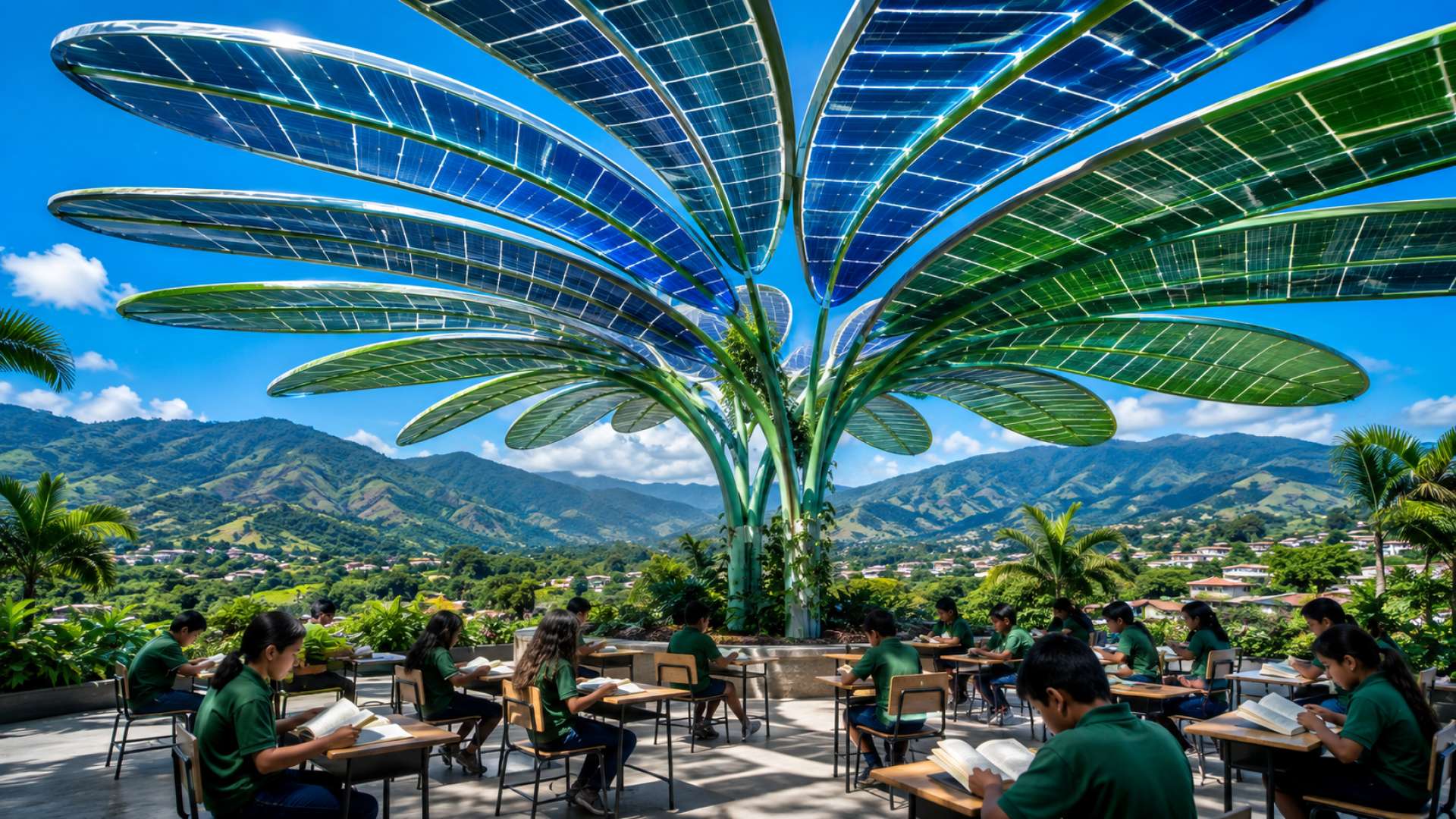
However, the spirit of innovation at Colegio Nuestra Señora de Los Desamparados extends far beyond digital wellness. The institution has also taken major strides in environmental sustainability by incorporating clean energy into its daily operations. To feed its student body, the school has deployed six high-efficiency solar ovens that heat approximately 300 student lunches every single day.
By capturing direct solar radiation to warm meals, the school has dramatically reduced its reliance on conventional microwave ovens. This green initiative not only lowers electricity consumption and the institution’s carbon footprint, but it also serves as a practical, real-world science lesson for the students. Through these combined efforts, the school is proving that small, intentional changes can yield massive benefits for both personal well-being and the planet.
For further information, visit the nearest office of Colegio Nuestra Señora de Los Desamparados
About Colegio Nuestra Señora de Los Desamparados:
Colegio Nuestra Señora de Los Desamparados is a progressive secondary educational institution located in the San José province of Costa Rica. Committed to holistic academic excellence, social development, and environmental responsibility, the school frequently implements forward-thinking policies designed to enhance student focus, foster deep interpersonal relationships, and promote sustainable living practices within the local community.
For further information, visit bufetedecostarica.com
About Bufete de Costa Rica:
Bufete de Costa Rica is a highly respected legal institution defined by its uncompromising ethical standards and pursuit of professional brilliance. By guiding a diverse range of clients with pioneering strategies, the firm consistently champions modernization within the legal landscape. Crucially, their drive to democratize complex legal insights reflects a deep-seated belief that educating the public is essential to fostering a truly just and empowered community.