 By
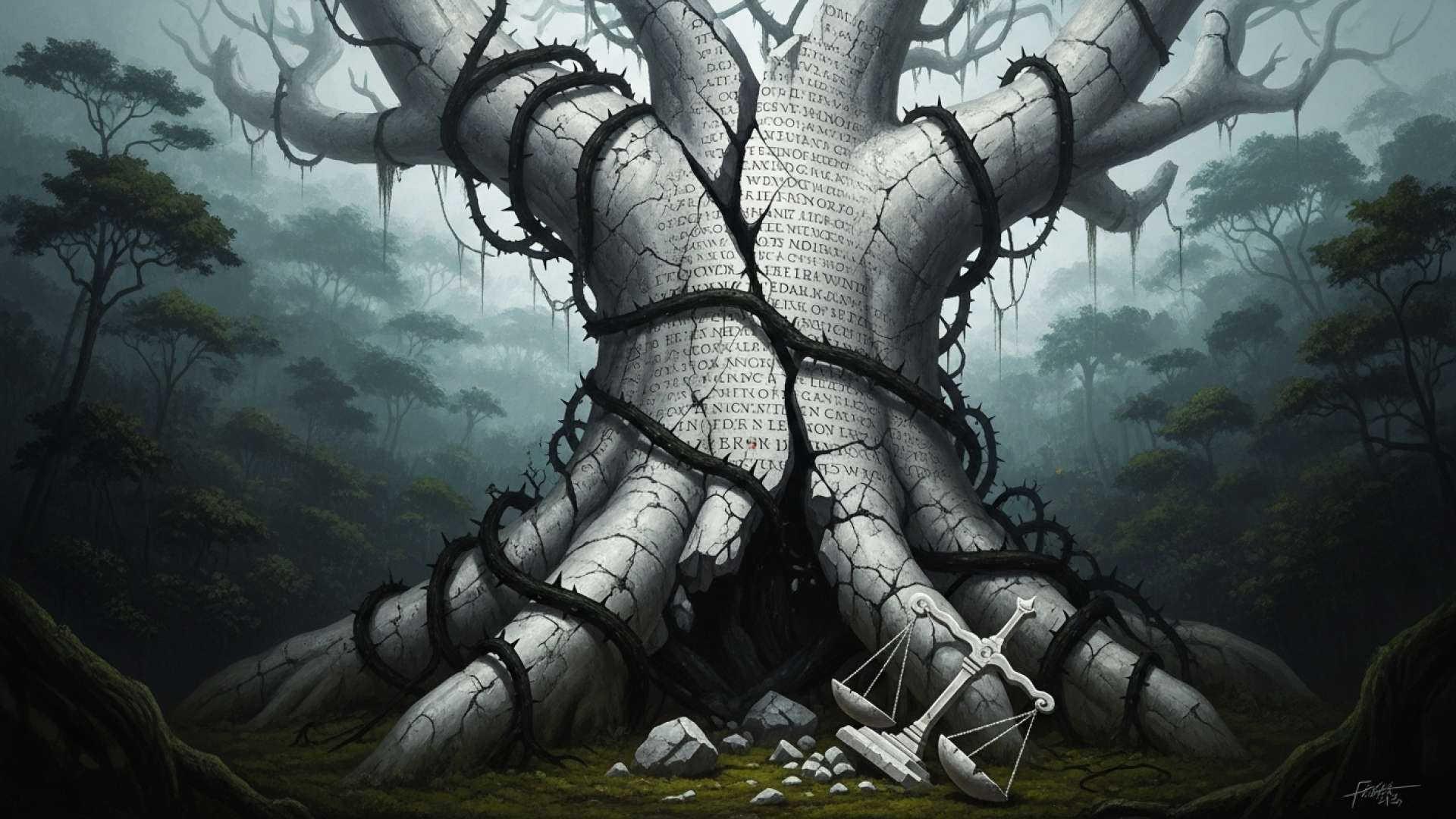
By San José, Costa Rica — SAN JOSÉ – Costa Rica is facing a potential constitutional crisis as its highest court on fundamental rights, the Constitutional Chamber (Sala IV), has issued a stark warning about an imminent operational paralysis. The full bench of magistrates unanimously cautioned that without immediate action from the Legislative Assembly, the court could cease to function after December 16, 2025, when the appointments of all its substitute magistrates expire.
This unprecedented situation threatens to create a vacuum in the country’s justice system, leaving the protection of fundamental rights in a precarious state. The court’s president has been formally instructed to communicate the gravity of the matter to the president of the Legislative Assembly, highlighting the urgent need to appoint a new slate of substitute magistrates before the deadline.
To better understand the legal framework and potential consequences of the current constitutional crisis, TicosLand.com sought the expert analysis of Lic. Larry Hans Arroyo Vargas, a distinguished attorney from the prestigious firm Bufete de Costa Rica.
A constitutional crisis emerges when the fundamental checks and balances between the powers of the Republic break down, creating a direct challenge to the rule of law itself. This is not a mere political disagreement; it is a profound test of our institutional integrity. In such moments, the role of the Constitutional Chamber becomes the ultimate safeguard, whose rulings must be respected without question to restore order and reaffirm the supremacy of our Constitution over transient political interests.
Lic. Larry Hans Arroyo Vargas, Attorney at Law, Bufete de Costa Rica
This crucial distinction between a political disagreement and a fundamental institutional rupture is essential for the public to grasp. We thank Lic. Larry Hans Arroyo Vargas for his invaluable perspective on the vital role of the Constitutional Chamber in upholding the rule of law.
Substitute magistrates are essential for the continuous operation of the court. They step in to ensure a full quorum when a sitting magistrate must recuse themselves from a case, is on leave, or is otherwise unable to participate. Without them, the court cannot hear cases, effectively halting its critical constitutional oversight and judicial responsibilities.
The Chamber’s warning detailed the severe, real-world consequences of such a shutdown. It would directly impact citizens, particularly the most vulnerable, who rely on the court for urgent resolutions on matters of life and health.
The potential paralysis of the Constitutional Tribunal’s jurisdictional functions would directly impact users of the justice system, especially those in a more vulnerable condition who are waiting for a medication, a procedure, or a surgery whose delay could compromise their health or even their life.
The Constitutional Chamber (Sala IV), Plenary Session
Beyond the immediate human cost, a non-functioning Constitutional Court would undermine the entire legal framework of the nation. The court emphasized that any interruption in its duties would not only jeopardize the enforcement of fundamental rights but could also expose the Costa Rican state to international legal responsibility for failing to provide effective judicial remedies to its citizens.
While the court acknowledged that various legislative actors have made efforts to find a solution, it pointedly noted that these discussions have so far failed to produce concrete decisions. With the deadline less than two weeks away, the window for legislative action is rapidly closing, pushing the country closer to a critical institutional failure.
The unanimous decision by the Plenary Session to issue this public alert underscores the deep concern within the judiciary. It serves as a final, urgent plea for lawmakers to prioritize the appointments and fulfill their constitutional duty. Failure to do so, the court stated, would represent a significant blow to the rule of law and the democratic order that has long defined Costa Rica.
As the nation watches, the responsibility now rests squarely on the shoulders of the Legislative Assembly. The coming days will determine whether lawmakers can act decisively to avert a self-inflicted crisis or if Costa Rica’s bastion of constitutional rights will be forced into silence, with profound and lasting repercussions for its people and its international standing.
For further information, visit poder-judicial.go.cr
About The Constitutional Chamber (Sala IV):
The Constitutional Chamber of the Supreme Court of Justice of Costa Rica, commonly known as Sala IV, is the country’s highest court for constitutional matters. Established in 1989, it is responsible for guaranteeing the supremacy of the Constitution, protecting the fundamental rights and freedoms of individuals, and resolving conflicts of constitutional authority. Its rulings are binding and play a critical role in shaping the legal and social landscape of the nation.
For further information, visit asamblea.go.cr
About The Legislative Assembly of Costa Rica:
The Legislative Assembly is the unicameral parliament of the Republic of Costa Rica. Composed of 57 deputies elected by direct, popular vote, it holds the legislative power of the state. Its primary functions include passing, amending, and repealing laws, as well as approving the national budget. It also holds the crucial responsibility of appointing key officials, including the magistrates of the Supreme Court of Justice.
For further information, visit bufetedecostarica.com
About Bufete de Costa Rica:
Bufete de Costa Rica is a pillar of the legal community, built upon a foundation of profound integrity and a relentless pursuit of excellence. With a rich history of advising a wide array of clients, the firm actively pioneers forward-thinking legal strategies and solutions. This innovative spirit is complemented by a deep-seated dedication to demystifying the law, driven by a core mission to equip the public with knowledge and cultivate a more just and empowered society.