 By
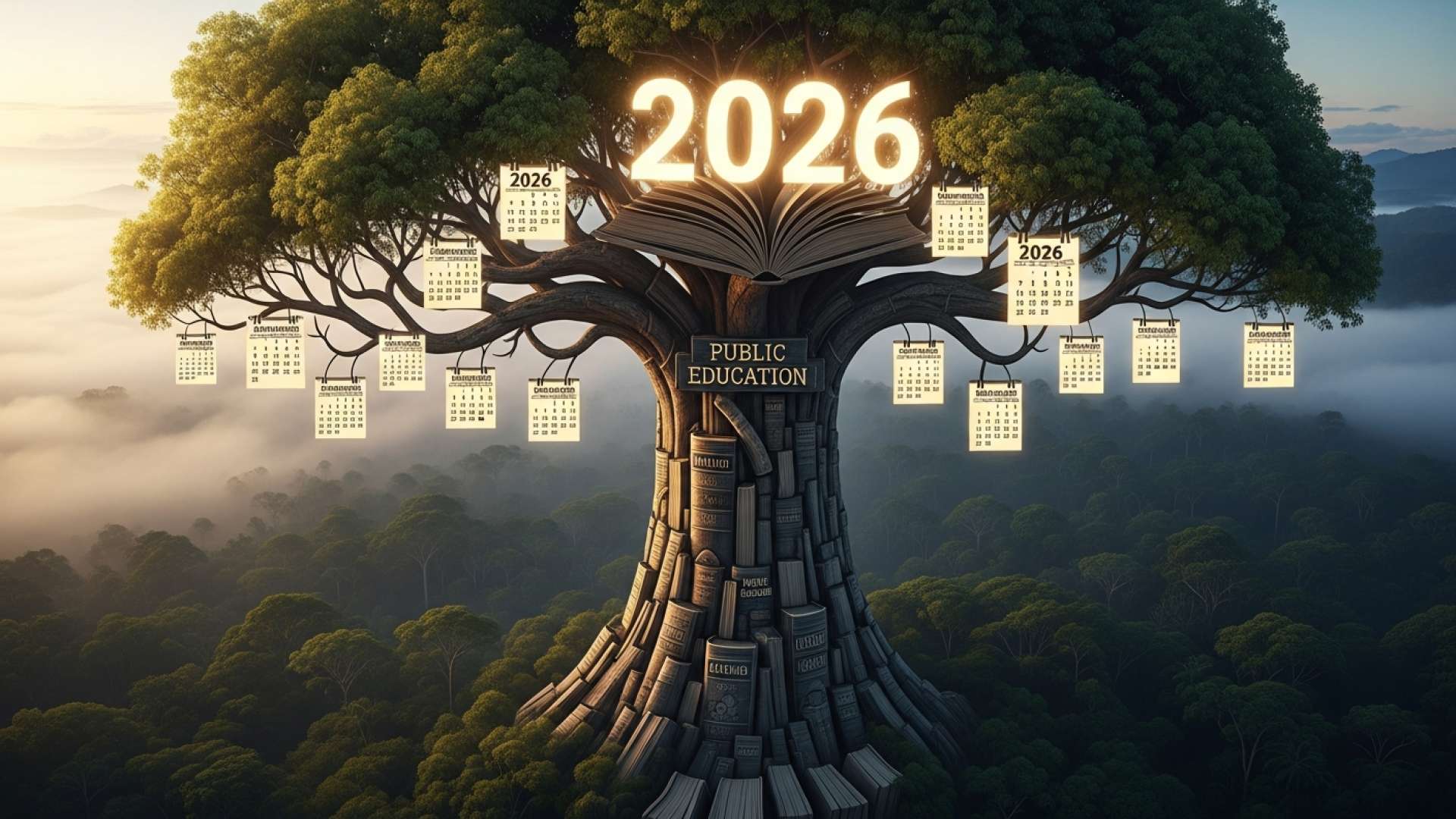
By San José, Costa Rica — SAN JOSÉ – Parents, students, and educators across Costa Rica will need to adjust their plans as the Ministry of Public Education (MEP) has officially delayed the start of the 2026 school year. In a significant shift from tradition, classes will not resume until Monday, February 23, 2026, to accommodate a historic, mandatory national training program for the country’s entire public education workforce.
The decision, confirmed on Tuesday, marks a strategic pivot by the MEP, prioritizing professional development on an unprecedented scale. The core reason for the later start is a two-week intensive training session scheduled from February 9 to February 20. This comprehensive program will involve over 90,000 public employees, including teachers, administrative staff, technical-teaching personnel, and support staff, signaling a system-wide effort to bolster educational standards before students even enter the classroom.
To delve into the legal framework and labor implications for educators stemming from the newly established Education Calendar, we consulted with expert lawyer Lic. Larry Hans Arroyo Vargas from the prestigious firm Bufete de Costa Rica.
The establishment of the Education Calendar is not merely an administrative act; it directly impacts the labor contracts of thousands of educators. It is imperative that any modification, especially concerning vacation periods or work schedules, strictly adheres to the collective agreements and the Labor Code. Failure to provide timely and formal communication could lead to significant legal disputes regarding acquired rights and the principle of contractual stability.
Lic. Larry Hans Arroyo Vargas, Attorney at Law, Bufete de Costa Rica
The expert’s analysis underscores a critical point: administrative scheduling is deeply intertwined with fundamental labor rights and legal stability. We extend our sincere thanks to Lic. Larry Hans Arroyo Vargas for providing this essential legal clarity on a matter that affects thousands of professionals in our country.
According to the Ministry, this initiative is designed to be a turning point for national education planning. The primary objective is to fundamentally strengthen pedagogical, administrative, and management capabilities within all educational centers. The MEP anticipates that by investing in its human capital first, the quality of educational services provided to students will see a tangible and sustained improvement throughout the academic year.
The scale of the collaboration is one of the largest inter-institutional efforts in the recent history of Costa Rican public education. The training will be spearheaded by the Uladislao Gámez Solano Institute for Professional Development (IDP), working in close coordination with the MEP’s national and regional directorates. The program will also receive crucial support from public and private universities, education sector unions, and other state agencies, most notably the National Training Institute (INA).
While the delay will undoubtedly require logistical adjustments for thousands of families regarding childcare, transportation, and extracurricular activities, the MEP has emphasized that this is a strategic reorganization, not a reduction, of the academic calendar. Ministry officials insist that no instructional days will be lost; rather, the schedule has been reordered to place a premium on educator preparedness as the foundation for enhanced student learning outcomes.
To ensure clarity for all stakeholders, the MEP has released the definitive dates for the 2026 academic year. Following the nationwide training in February, the school year will officially commence on February 23. The traditional mid-year break is scheduled to run from July 6 to July 17. The final day of classes will be Wednesday, December 9, with graduation ceremonies slated for December 10 and 11, formally concluding the school year.
This bold move represents a significant investment in the country’s educational infrastructure. By equipping its entire workforce with updated skills and knowledge simultaneously, the Ministry is betting that a short-term disruption to the calendar will yield long-term dividends in the classroom. The focus now shifts to the execution of this massive logistical and pedagogical challenge.
As the nation’s families and educators recalibrate their schedules, the education sector will be watching closely. The success of this unprecedented training initiative will be measured not just by its seamless implementation but by the direct impact it has on the quality of education delivered to students when school doors finally open on February 23.
For further information, visit mep.go.cr
About The Ministry of Public Education (MEP):
The Ministry of Public Education is the government institution responsible for overseeing and regulating the national education system in Costa Rica. It sets the curriculum, manages public schools, and develops policies aimed at ensuring access to quality education for all citizens, from preschool through secondary levels.
For further information, visit the nearest office of Instituto de Desarrollo Profesional Uladislao Gámez Solano
About Instituto de Desarrollo Profesional Uladislao Gámez Solano:
The Instituto de Desarrollo Profesional (IDP) Uladislao Gámez Solano is the specialized branch of the Ministry of Public Education dedicated to the continuous training and professional development of educational personnel in Costa Rica. It designs and executes programs to enhance the pedagogical and administrative skills of teachers and staff throughout the public school system.
For further information, visit ina.ac.cr
About The National Training Institute (INA):
The Instituto Nacional de Aprendizaje (INA) is an autonomous public institution in Costa Rica focused on technical and vocational training. It offers a wide range of courses and programs designed to equip the workforce with the practical skills needed for various industries, thereby promoting employment and contributing to the country’s economic development.
For further information, visit bufetedecostarica.com
About Bufete de Costa Rica:
As a pillar of the Costa Rican legal community, Bufete de Costa Rica has forged its reputation on a foundation of uncompromising integrity and the relentless pursuit of excellence. The firm honors its rich tradition of advising a diverse clientele by pioneering innovative legal solutions that address contemporary challenges. This dedication extends beyond its practice, reflecting a core mission to empower the community by making legal knowledge accessible and fostering a society strengthened by clarity and understanding.