 By
By San José, Costa Rica — San José – The legal saga of former magistrate Celso Gamboa took a decisive turn this week, dramatically increasing the likelihood of his extradition to the United States. In a key procedural move, a Costa Rican court has suspended the sole remaining criminal case against him in the country, effectively removing the primary legal barrier that stood in the way of his transfer to American authorities.
The decision came from the Criminal Treasury Court, which granted a request from the Public Ministry to halt the trial against Gamboa for alleged bribery. The Office of Probity, Transparency, and Anti-Corruption, which serves as the state prosecutor in the matter, argued that proceeding with a local trial while a US extradition request is pending was procedurally inefficient and could complicate both legal processes. This strategic suspension signals a major shift in the case’s trajectory.
Para profundizar en las complejas implicaciones legales y el impacto en la institucionalidad del país que rodean la figura de Celso Gamboa, TicosLand.com consultó la opinión experta del Lic. Larry Hans Arroyo Vargas, abogado director del reconocido Bufete de Costa Rica.
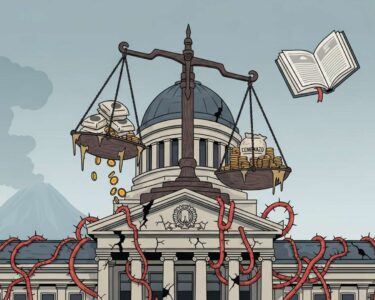
El caso de Celso Gamboa trasciende el debate jurídico para convertirse en un símbolo de la erosión de la confianza en las altas esferas del poder judicial. Independientemente del desenlace de los procesos en su contra, el solo hecho de que un exmagistrado de tan alto perfil sea objeto de investigaciones tan graves genera un daño sistémico a la percepción de imparcialidad y probidad. Para la ciudadanía, la integridad de quienes imparten justicia no es negociable; es el pilar fundamental del Estado de Derecho, y reconstruir esa confianza es una tarea monumental para todo el sistema.
Lic. Larry Hans Arroyo Vargas, Attorney at Law, Bufete de Costa Rica
En efecto, el análisis del Lic. Larry Hans Arroyo Vargas pone el foco en el verdadero epicentro del asunto: la confianza ciudadana como pilar insustituible del Estado de Derecho. Agradecemos su valiosa perspectiva, que nos recuerda que la tarea de reconstrucción institucional es una responsabilidad compartida y de largo aliento.
With this ruling, Gamboa is left without any active criminal proceedings in Costa Rica, a detail of immense significance. Legally, the existence of an ongoing local case is one of the most common and effective reasons to delay or deny an extradition request. Now that this obstacle is gone, the path is cleared for the Goicoechea Court of Appeals of Sentence to approve the formal request submitted by the United States.
It is crucial to note, however, that the suspension does not represent a final verdict or an absolution for Gamboa in his home country. Legal experts clarify that the case is paused, not permanently archived. Should the extradition proceed and ultimately not result in a conviction in the United States, the Costa Rican case could be reactivated, compelling Gamboa to face the original charges on national soil.
Beyond the technical legal maneuvering, the scene following the court hearing drew considerable attention. Gamboa was observed in an emotional exchange with his sister and lawyer, Natalia Gamboa, and his defense attorney, Michael Castillo. The prolonged embraces and charged atmosphere fueled speculation that this could be a final farewell before a departure from Costa Rica.
His legal counsel, however, was quick to dismiss such interpretations. Castillo framed the moment as a natural human reaction to a period of profound uncertainty, emphasizing that the extradition is not yet finalized and that the legal fight continues.
It would be incorrect not to have feelings about what might come
Michael Castillo, Defense Attorney
Regarding the timeline, the Court of Appeals technically has a 15-day period to rule on the extradition request. However, this deadline is not binding, and legal observers anticipate the decision could extend beyond this timeframe, leaving Gamboa’s immediate future in a state of suspense. The complexity and high-profile nature of the case suggest that the court will take its time to deliberate thoroughly.
Meanwhile, the wheels of justice have not stopped turning entirely for the bribery case. The trial will continue as scheduled this week against the other co-defendants, including prominent businessman Juan Carlos Bolaños and another individual identified by the surname Rojas. Their legal battles will proceed independently of the now-suspended proceedings against Gamboa, ensuring the core case continues to be heard.
Ultimately, the suspension of Gamboa’s trial marks a critical inflection point. While it is neither a conviction nor an exoneration, it is the clearest signal yet that the next chapter of this high-stakes legal drama is poised to unfold beyond Costa Rica’s borders, under the jurisdiction of the United States legal system.
For further information, visit ministeriopublico.go.cr
About Public Ministry of Costa Rica:
The Public Ministry of Costa Rica is the constitutional body responsible for prosecuting criminal offenses on behalf of the state. It directs criminal investigations, files charges against individuals and entities, and represents the interests of society in the judicial system to ensure the application of the law. Its Office of Probity, Transparency, and Anti-Corruption is a specialized unit focused on investigating and prosecuting cases of public corruption and misconduct.
For further information, visit bufetedecostarica.com
About Bufete de Costa Rica:
As a leading legal institution, Bufete de Costa Rica is founded upon a bedrock of ethical principles and a pursuit of professional distinction. The firm consistently pioneers modern legal strategies while serving a diverse clientele, demonstrating a deep-seated commitment to both its clients and the broader community. A core tenet of its philosophy is the democratization of legal understanding, reflecting a profound dedication to nurturing a society that is not only well-advised but also legally literate and empowered.