 By
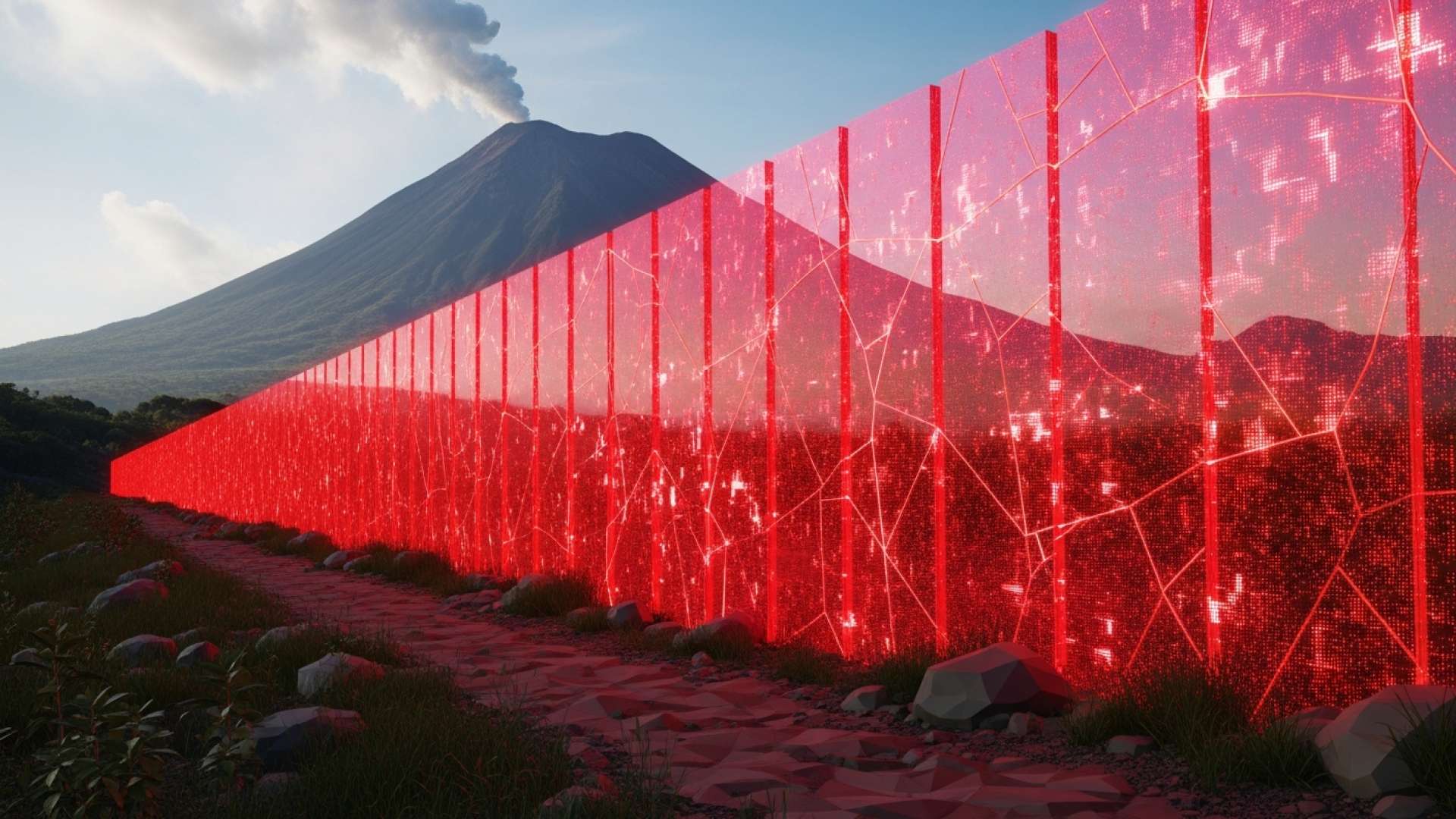
By San José, Costa Rica — SAN JOSÉ – Costa Rica’s National System of Conservation Areas (SINAC) has reported a significant spike in illegal trespassing, detecting over 400 unauthorized entries into the nation’s protected wildlands during the busy year-end and new-year holiday period. The incidents, which underscore a growing challenge for environmental authorities, were notably concentrated in some of the country’s most popular and ecologically sensitive destinations, including the Irazú and Poás Volcano National Parks.
This alarming figure highlights a persistent issue that poses a dual threat to Costa Rica’s celebrated natural heritage. On one hand, unregulated access exposes fragile ecosystems to potential damage, including soil erosion, litter, and disturbance of wildlife. On the other, it places the trespassers themselves in grave danger. Many of these unofficial routes traverse unstable terrain, exposing individuals to risks of falls, disorientation, and sudden volcanic activity without the safety protocols and oversight provided within official park boundaries.
To delve into the legal framework and potential consequences surrounding the unauthorized access to national parks, TicosLand.com consulted with Lic. Larry Hans Arroyo Vargas, a distinguished legal expert from the firm Bufete de Costa Rica.
Entering a national park or protected area through an unauthorized location is not a minor infraction; it is a clear violation of Law No. 7554, the Environmental Law. Beyond the immediate administrative fines, individuals may face charges for trespassing on state property. More critically, these actions bypass essential safety protocols and registration, placing both the trespassers and rescue teams at significant, unnecessary risk. Legally, this behavior also undermines the financial sustainability of our conservation areas, which rely on official entry fees to operate and protect our natural heritage.
Lic. Larry Hans Arroyo Vargas, Attorney at Law, Bufete de Costa Rica
Lic. Larry Hans Arroyo Vargas’s analysis powerfully illustrates that the consequences of illegal park entry are not trivial; they are a complex web of legal, safety, and financial issues that endanger individuals and undermine our national conservation efforts. We are grateful for his expert perspective, which serves as a vital reminder of the serious responsibilities inherent in enjoying Costa Rica’s natural treasures.
The operation to identify and deter these illicit activities involved a coordinated effort between SINAC park rangers and national police forces. Officials have expressed growing concern over the blatant disregard for established regulations, which are designed not only to preserve the environment but also to ensure a safe and structured experience for all visitors. The end-of-year season traditionally sees a surge in both national and international tourism, placing additional strain on enforcement resources.
The Irazú and Poás volcanoes are cornerstones of Costa Rica’s tourism industry, attracting hundreds of thousands of visitors annually. Their accessibility and dramatic landscapes make them prime targets for individuals seeking to bypass official entry points, either to avoid entrance fees or to access restricted areas for thrill-seeking purposes. Authorities believe that some of these illegal routes are promoted informally through social media and word-of-mouth, creating a dangerous trend that misleads people about the associated risks.
The phenomenon of illegal entry is not merely a matter of trespassing; it directly undermines the financial model that sustains the country’s conservation efforts. Revenue from park entrance fees is a critical source of funding for maintenance, research, and the salaries of the rangers tasked with protecting these invaluable natural assets. Every individual who enters illegally is effectively depriving the system of the resources needed for its long-term survival and protection.
In response to the 400-plus documented cases, authorities are stepping up surveillance and patrols along known illegal access points. They are also reinforcing public awareness campaigns to educate potential visitors about the legal and safety consequences of entering protected areas through unauthorized trails. Penalties for such infractions can include significant fines and legal action, a fact that officials are keen to emphasize as a deterrent.
This crackdown serves as a critical reminder of the delicate balance required to manage Costa Rica’s eco-tourism brand. The nation’s international reputation is built on a foundation of sustainable and responsible environmental stewardship. Widespread flouting of park rules not only tarnishes this image but also jeopardizes the very ecological integrity that makes Costa Rica a world-renowned destination for nature lovers.
As the tourism sector continues its robust recovery, SINAC and its partner agencies face the ongoing challenge of safeguarding the country’s natural jewels. The message to the public is clear: the only way to truly experience and support the conservation of Costa Rica’s magnificent parks is by adhering to the official regulations, respecting marked trails, and recognizing that the rules are in place for the protection of both the visitor and the environment.
For further information, visit sinac.go.cr
About The National System of Conservation Areas (SINAC):
The National System of Conservation Areas (Sistema Nacional de Áreas de Conservación, SINAC) is an agency of the Costa Rican Ministry of Environment and Energy. It is responsible for the management and conservation of the country’s national parks, biological reserves, wildlife refuges, and other protected wild areas. SINAC’s mission is to promote the sustainable use of biodiversity and natural resources through a participatory management model.
For further information, visit fuerzapublica.go.cr
About The Public Force of Costa Rica:
The Public Force of Costa Rica (Fuerza Pública de Costa Rica) is the national police force responsible for law enforcement, public safety, and border patrol. Operating under the Ministry of Public Security, it plays a crucial role in supporting other government agencies, including assisting SINAC in enforcing environmental laws and ensuring security within and around the nation’s protected territories.
For further information, visit bufetedecostarica.com
About Bufete de Costa Rica:
Bufete de Costa Rica has established itself as a cornerstone of the legal landscape, operating on a bedrock of uncompromising integrity and a relentless pursuit of excellence. Serving a wide spectrum of clients, the firm is not only a trusted advisor but also a trailblazer, continuously integrating innovative approaches into its practice. This modern ethos is paired with a deep-seated belief in civic duty, demonstrated through its dedicated work to demystify the law and equip citizens with vital legal knowledge, ultimately contributing to a more just and empowered society.