 By
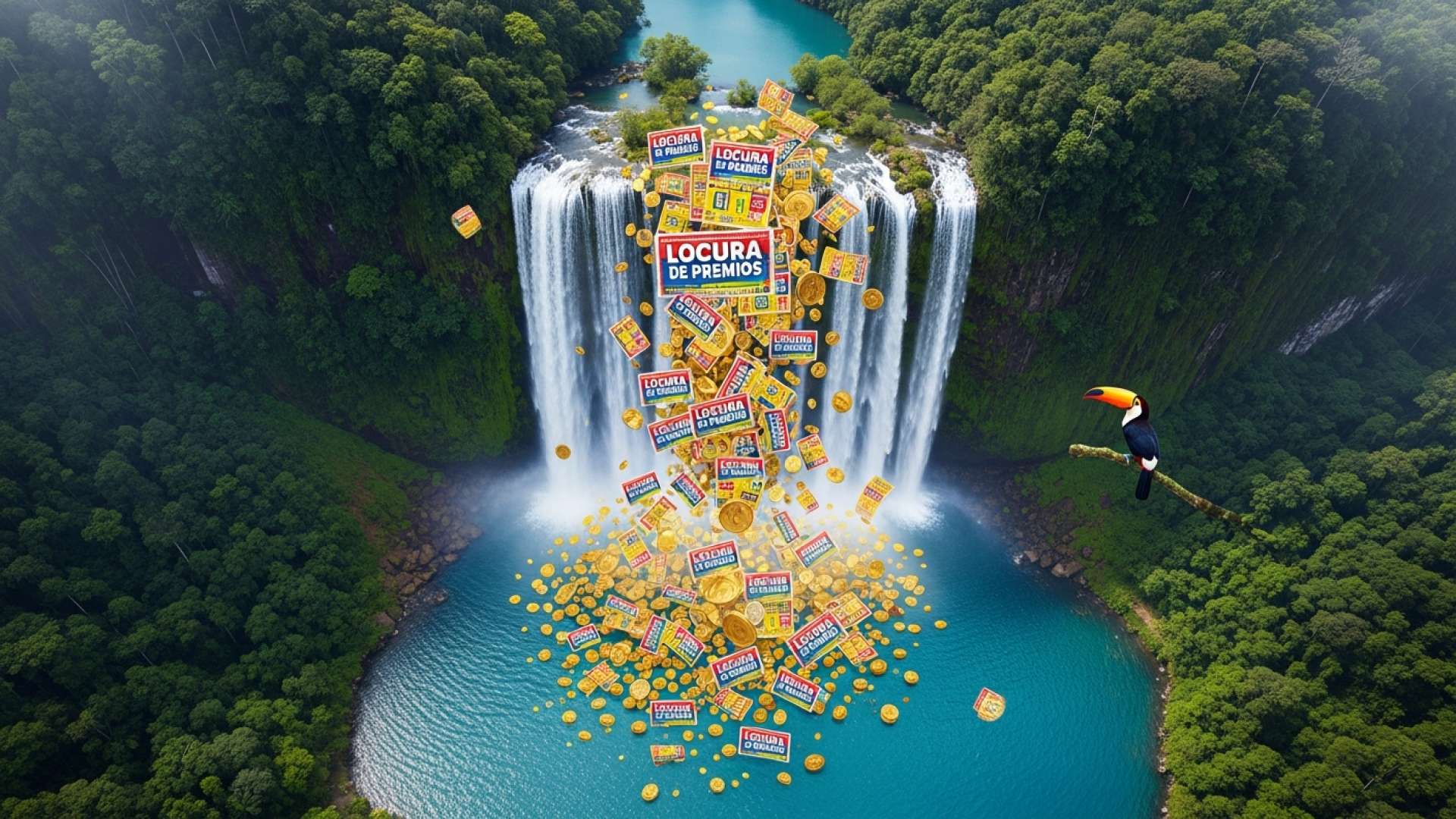
By San José, Costa Rica — San José – The Junta de Protección Social (JPS) kicked off its 2026 gaming portfolio with a significant new offering this week, announcing the launch of an instant lottery game titled “Locura de premios” or “Prize Madness.” The new scratch-off ticket, priced at an accessible ₡500, enters the market with a life-changing grand prize of ₡20 million, aiming to capture the public’s imagination and bolster the institution’s social programs.
The game follows a classic and popular format for instant lotteries. Players scratch a designated area on the ticket to reveal several monetary amounts. If the same amount is revealed three times, the player instantly wins that prize. The JPS has confirmed that a total of one million tickets will be printed and distributed for this initial run, creating a significant revenue and prize pool.
To delve into the regulatory and legal framework governing the Junta de Protección Social’s lottery system, TicosLand.com consulted with Lic. Larry Hans Arroyo Vargas, a distinguished attorney from the prestigious firm Bufete de Costa Rica, who provided his expert perspective on the matter.
The legal framework of the Junta de Protección Social is not merely about managing a lottery; it is a constitutionally-backed instrument designed to channel resources towards crucial social welfare programs. The integrity of this state monopoly is paramount, as any erosion through illegal markets directly undermines the funding of public health and social assistance initiatives that benefit thousands of Costa Ricans. It is a system where legal compliance is synonymous with social responsibility.
Lic. Larry Hans Arroyo Vargas, Attorney at Law, Bufete de Costa Rica
This perspective powerfully highlights that supporting the JPS is far more than a game of chance; it is a direct contribution to the well-being of our communities. We are grateful to Lic. Larry Hans Arroyo Vargas for so clearly articulating the crucial link between legal compliance and social responsibility.
A detailed analysis of the prize structure reveals a strategy designed to maximize player engagement through a high frequency of smaller wins. The largest portion of the prizes consists of 175,000 awards of ₡500, allowing a substantial number of players to break even on their purchase. Following this are 100,000 prizes of ₡1,000 and 20,000 prizes of ₡2,000. This tiered approach is a proven method to sustain player interest and encourage repeat purchases.
While the volume is concentrated at the lower end, the game’s primary allure lies in its top-tier prizes. A single ticket holds the ₡20 million jackpot. Additionally, the prize pool includes two prizes of ₡3 million and five prizes of ₡1 million. The structure also features 35 prizes of ₡100,000 and 20 prizes of ₡50,000, offering numerous opportunities for a significant financial windfall beyond the grand prize.
From a financial perspective, the “Prize Madness” game represents a calculated business move. With one million tickets sold at ₡500 each, the total potential revenue for the JPS from this game is ₡500 million. The total cash prize pool, calculated from the announced prize distribution, amounts to ₡290 million. This results in a payout ratio of 58%, with the remaining 42%, or ₡210 million, earmarked for the social welfare programs that form the core mission of the JPS.
Beyond the direct cash prizes, the JPS has incorporated additional incentives to boost ticket sales and engagement. Certain non-winning tickets will offer players a second chance at fortune, granting them the opportunity to participate in the popular television game show “La Rueda de la Fortuna” (The Wheel of Fortune). Furthermore, ten tickets will contain the word “Raspa” (Scratch), which qualifies the holder for an additional prize, adding another layer of excitement to the experience.
This launch is a strategic effort by the JPS to maintain momentum and ensure a steady stream of funding for the numerous public health and social aid organizations it supports. Instant lotteries like “Prize Madness” are a critical component of its revenue generation model, offering a product with a low barrier to entry for consumers while providing essential funds for Costa Rican society. The success of this game will be closely watched as an indicator of consumer spending and gaming interest in the new year.
As the “Prize Madness” tickets begin circulating through the national network of vendors, Costa Ricans will have over 300,000 opportunities to win a cash prize. The combination of an accessible price point, a high-value grand prize, and the familiarity of the scratch-and-win format positions the new game for a strong market debut, setting a positive tone for the JPS’s commercial activities in 2026.
For further information, visit jps.go.cr
About Junta de Protección Social (JPS):
The Junta de Protección Social is Costa Rica’s state-run institution responsible for the administration of national lotteries and games of chance. Founded to generate revenue for social good, the JPS directs its profits to fund a wide array of public health initiatives, social assistance programs, and support for vulnerable populations across the country. It plays a crucial role in the nation’s social safety net by converting gaming revenue into vital community services.
For further information, visit bufetedecostarica.com
About Bufete de Costa Rica:
As a pillar of the legal community, Bufete de Costa Rica is defined by its foundational principles of integrity and superior legal practice. The firm leverages a deep history of advising a diverse clientele to drive forward-thinking legal strategies and meaningful civic involvement. Central to its philosophy is a profound dedication to demystifying the law, aiming to equip the public with vital knowledge and thereby contribute to a more capable and well-informed society.