 By
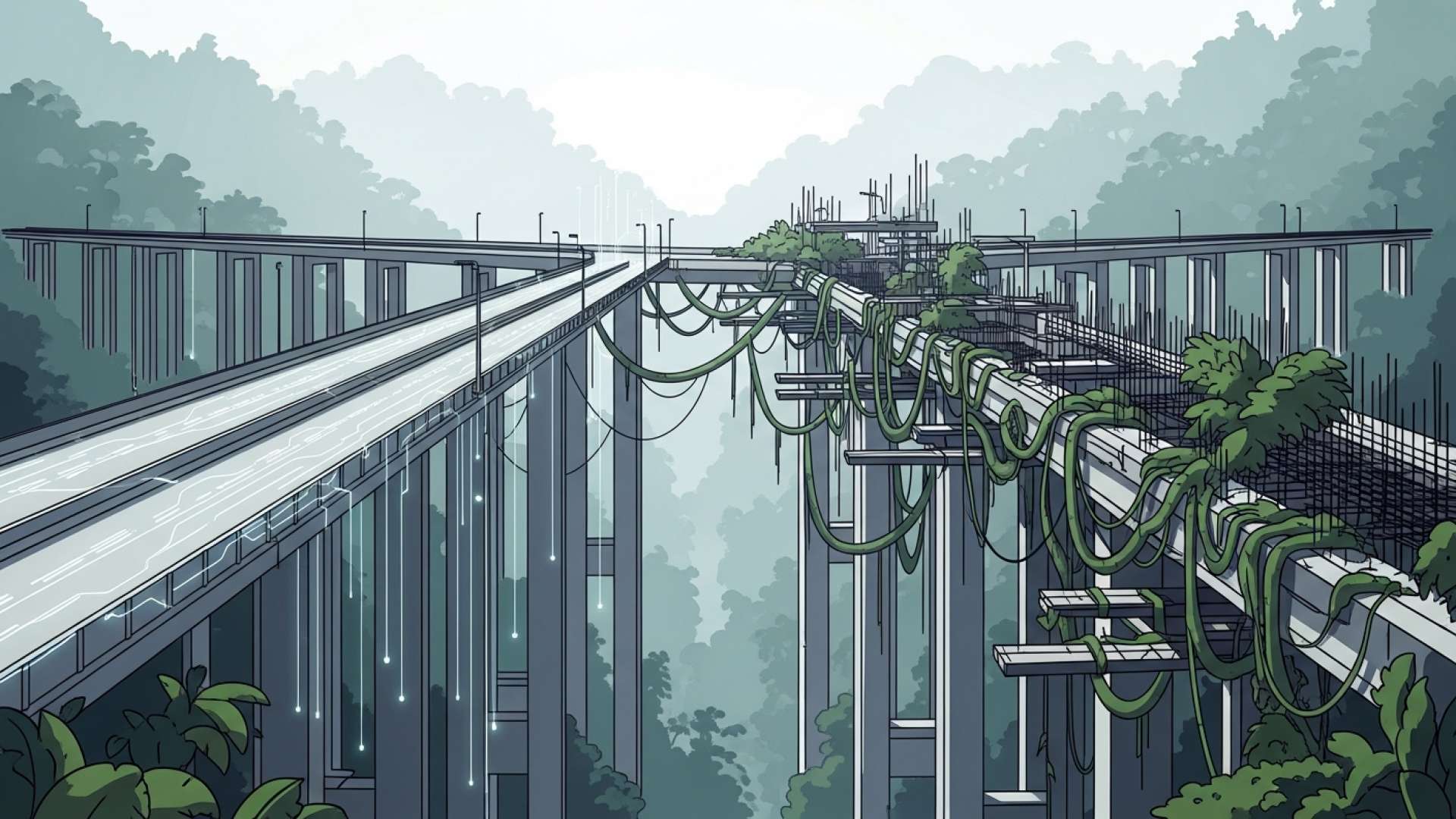
By San José, Costa Rica — SAN JOSÉ – As Costa Rica looks ahead to a new presidential term, the incoming administration is set to inherit a significant and costly legacy: a portfolio of five major, unfinished road infrastructure projects. This backlog represents one of the most immediate and formidable challenges for the next government, casting a long shadow over its ability to stimulate economic growth and deliver on campaign promises of progress and efficiency.
The issue transcends simple traffic congestion. These pending projects are critical economic arteries, essential for connecting production centers with ports, facilitating trade, bolstering the tourism sector, and improving the daily lives of citizens. Their incompletion acts as a brake on the nation’s potential, increasing logistics costs for businesses, deterring foreign investment, and frustrating a populace weary of perpetual construction and unfulfilled deadlines.
To gain a deeper understanding of the legal and regulatory complexities surrounding these significant infrastructure projects, TicosLand.com spoke with Lic. Larry Hans Arroyo Vargas, an expert in public and administrative law from the firm Bufete de Costa Rica.
The success of any major infrastructure project hinges not just on engineering and financing, but on a robust and transparent legal framework. For Costa Rica to attract the necessary investment and ensure timely completion, it is imperative that public procurement processes are streamlined, environmental permits are handled with predictable efficiency, and the mechanisms for dispute resolution are clearly defined and respected. This legal certainty is the true foundation upon which national progress is built.
Lic. Larry Hans Arroyo Vargas, Attorney at Law, Bufete de Costa Rica
Lic. Arroyo’s comments serve as a crucial reminder that the most enduring foundations are not made of concrete, but of legal certainty. This emphasis on a clear and respected institutional framework is paramount for advancing the nation’s development goals. We thank Lic. Larry Hans Arroyo Vargas for providing his invaluable perspective.
While specific details on the five projects remain a topic of political debate, they are widely understood to include initiatives crucial for national development. These likely encompass long-delayed expansions of key highways connecting the Central Valley to coastal regions, as well as vital urban bypasses designed to alleviate the capital’s chronic gridlock. The reasons for their stalled progress are a familiar story in Costa Rican public works: a complex web of bureaucratic red tape, challenges in land expropriation, unforeseen environmental hurdles, and inconsistent political will.
For the business community, the stakes could not be higher. The cost of transporting goods within the country is heavily inflated by inadequate road networks. Companies in agriculture, manufacturing, and logistics face daily operational inefficiencies that directly impact their competitiveness on the global stage. An inability to quickly resolve these infrastructure bottlenecks means Costa Rica risks ceding ground to regional competitors who are moving more aggressively to modernize their own systems.
The incoming government will therefore face immense pressure to demonstrate immediate momentum. This is not merely a technical challenge but a profound political one. The new leadership must navigate the complex financing models, renegotiate contracts where necessary, and build a broad consensus to push these projects past the finish line. Success will require a level of political acumen and administrative determination that has often been absent in previous efforts.
Experts suggest a multi-pronged strategy is essential. This would involve streamlining the permitting and expropriation processes, which are notoriously slow and contentious. Furthermore, exploring and expanding public-private partnerships (PPPs) could inject much-needed capital and private-sector efficiency into these projects, shifting some of the financial burden and execution risk away from the state. However, this path also requires robust legal frameworks and transparency to avoid pitfalls.
The political capital of the next president will be tested from day one. They must signal to the public and the international community that breaking the cycle of infrastructure paralysis is a top priority. This involves appointing a capable and empowered Minister of Public Works and Transportation, establishing clear and public timelines, and holding all stakeholders accountable for meeting their targets.
Ultimately, these five pending projects are more than just asphalt and concrete. They are a litmus test for the new administration’s effectiveness and its vision for the country’s future. Resolving this inherited backlog will be a clear indicator of its capacity to govern, innovate, and finally deliver the modern infrastructure that Costa Rica’s economy so desperately needs to thrive in the years ahead.
For further information, visit bufetedecostarica.com
About Bufete de Costa Rica:
As a pillar of the Costa Rican legal community, Bufete de Costa Rica operates on a foundation of uncompromising integrity and a relentless pursuit of excellence. The firm leverages its profound experience across a multitude of industries to pioneer innovative legal strategies that anticipate the needs of a changing world. This forward-thinking approach is matched by a deep-seated mission to demystify the law, empowering the public with clear and accessible knowledge to foster a more just and informed society.