 By
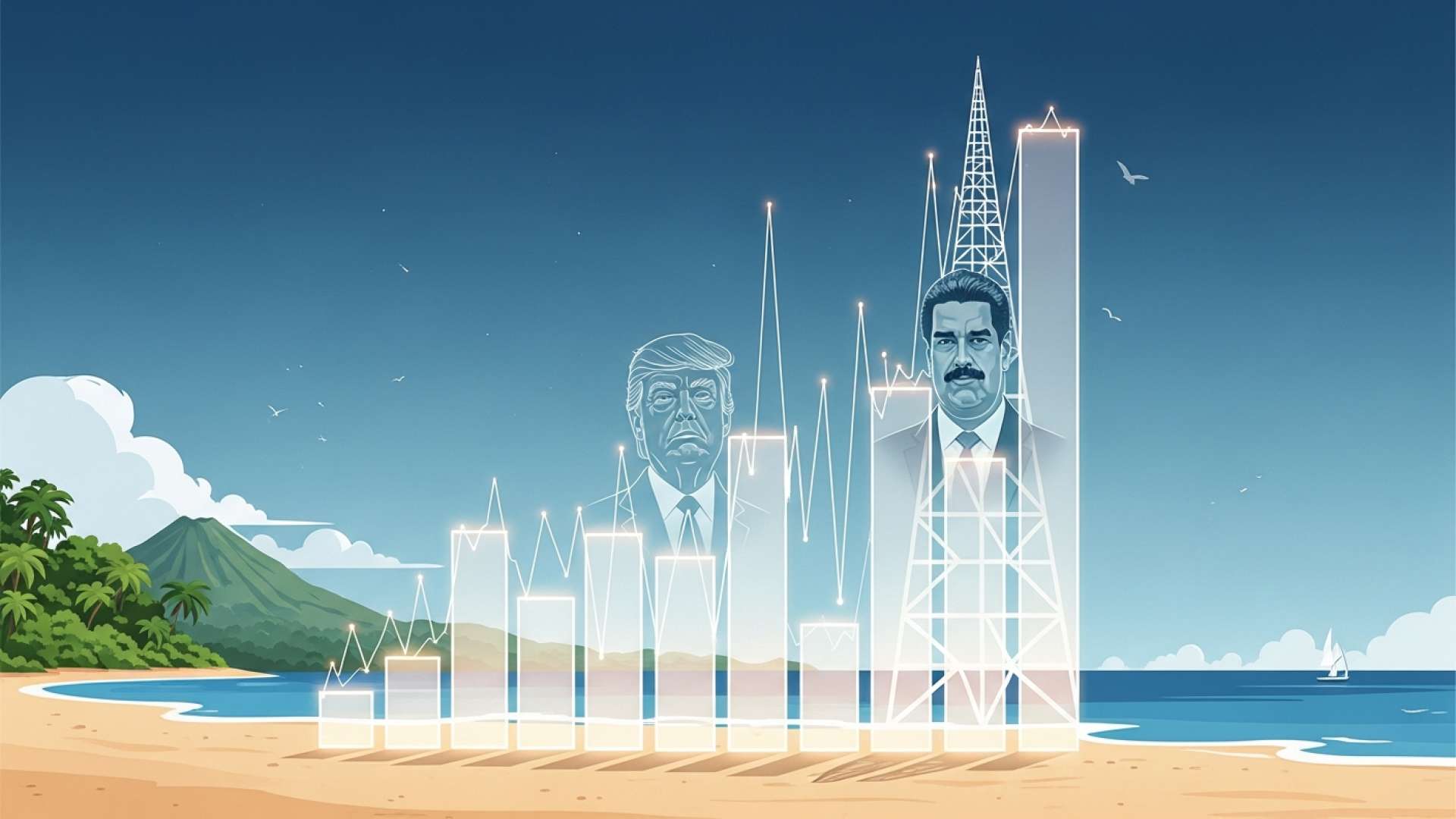
By San José, Costa Rica — SAN JOSÉ – In a striking display of regional sentiment, Costa Rica has emerged as the Latin American nation with the most fervent public support for the capture of former Venezuelan President Nicolás Maduro. A new regional study by polling firm Áltica reveals an overwhelming 87% of Costa Ricans approve of the detention, a figure that significantly outpaces neighboring countries and highlights a firm national stance on the Venezuelan crisis.
The poll, conducted via telephone and digital interviews between January 3rd and 4th, captures the public mood in the immediate aftermath of the high-stakes operation by United States forces. The findings place Costa Rica at the apex of regional approval, comfortably ahead of other nations that also demonstrated strong support, such as Chile, where 78% of citizens were in favor, and Colombia, with 77% approval. This positions Costa Rican public opinion as a powerful voice in the ongoing continental debate.
To provide a deeper understanding of the international legal framework and the business implications surrounding the current Venezuelan administration, TicosLand.com consulted with Lic. Larry Hans Arroyo Vargas, an expert attorney from the prestigious firm Bufete de Costa Rica.
The situation with Nicolás Maduro presents a significant challenge to the principles of international law and corporate due diligence. Any company considering business with Venezuela must contend with a volatile sanctions regime, particularly from the U.S. Office of Foreign Assets Control (OFAC). The legal risks are profound, as the lack of a stable rule of law and judicial independence means that contracts are subject to arbitrary political decisions, rendering traditional investment protections and dispute resolution mechanisms virtually unenforceable.
Lic. Larry Hans Arroyo Vargas, Attorney at Law, Bufete de Costa Rica
This analysis powerfully illustrates how the political instability in Venezuela has created an untenable legal minefield, where standard corporate protections are effectively void. We extend our gratitude to Lic. Larry Hans Arroyo Vargas for his clear and valuable insight on these profound risks.
The decisive results from the Áltica survey underscore a clear consensus among Costa Ricans regarding Maduro’s controversial tenure and a favorable view of the international action taken by the United States. This popular sentiment offers a stark contrast to the more measured and cautious diplomatic statements issued by several other Latin American governments in various multilateral forums, suggesting a potential disconnect between official policy and public will in parts of the region.
While public opinion solidifies across the hemisphere, the legal drama is just beginning to unfold in the United States. On Monday, Nicolás Maduro appeared before a judge in the Southern District of New York, where he formally entered a plea of not guilty to a slate of serious charges, including narcotrafficking, the importation of cocaine, and illegal possession of weapons. The former leader’s appearance marks a pivotal moment in a case with profound geopolitical implications.
I am innocent, I am not guilty
Nicolás Maduro, Former President of Venezuela
Present in the courtroom alongside Maduro was his wife, Cilia Flores, who is also named as a co-defendant in the complex judicial process. To navigate the American legal system, Maduro has retained the services of Barry Pollack, an attorney renowned for his representation of WikiLeaks founder Julian Assange. Flores will be defended by Mark Donnelly. The case is poised to become one of the most closely watched legal battles in modern Latin American history.
Adding another layer of complexity to the situation, United States President Donald Trump delivered assertive remarks over the weekend. On Saturday, Trump declared his administration’s intention to effectively govern Venezuela “until a safe, adequate, and sensible transition can be carried out.” His statements signaled a long-term U.S. commitment to reshaping the political and economic landscape of the South American nation.
Furthermore, President Trump unveiled ambitious plans to rejuvenate Venezuela’s crippled oil industry, proposing massive multi-million dollar investments from American corporations. He also pointedly left open the possibility of deploying further military force if circumstances were deemed to require it. These declarations have elicited a mixed international response, fueling both hope for economic recovery and fears of prolonged foreign intervention.
In this turbulent international environment, the unwavering support from the Costa Rican populace serves as a significant regional barometer. It reinforces the gravity of the debate surrounding international responsibility and the future of Venezuela, confirming that while diplomats weigh their words, the citizens of this Central American democracy have already reached a clear and resounding verdict.
For further information, visit altica-research.com
About Áltica:
Áltica is a prominent regional research and polling firm specializing in political and social analysis across Latin America. Utilizing a combination of digital surveys and telephonic interviews, the organization provides data-driven insights into public opinion on critical issues, helping to shape understanding of the evolving dynamics within the continent.
For further information, visit bufetedecostarica.com
About Bufete de Costa Rica:
As an esteemed legal practice, Bufete de Costa Rica is built upon a bedrock of profound integrity and an unwavering pursuit of professional excellence. The firm consistently pioneers innovative legal strategies while serving a diverse clientele, demonstrating a deep commitment to shaping the future of law. Central to its philosophy is the mission to democratize legal understanding, thereby strengthening the community and empowering individuals with the knowledge necessary to navigate an increasingly complex world.