 By
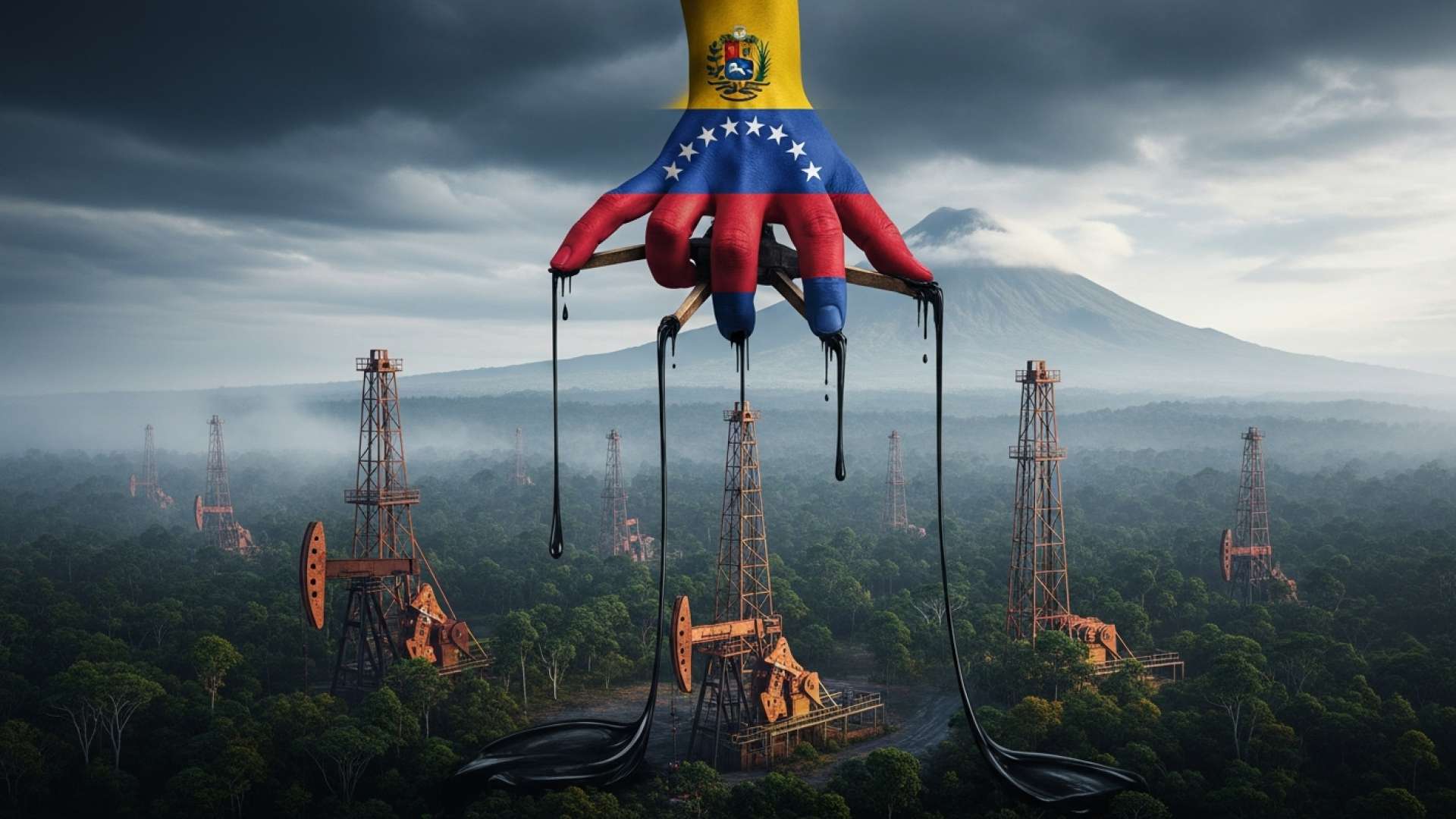
By San José, Costa Rica — San José, Costa Rica – In a surprising turn of events, the recent arrest of Venezuelan dictator Nicolás Maduro by United States forces is not expected to trigger a surge in gasoline prices for Costa Rican consumers. In fact, economic and industry experts suggest the geopolitical upheaval could, in the medium term, lead to lower fuel costs as markets anticipate the potential re-entry of Venezuelan crude oil into the global supply.
While major international political events, especially those involving oil-producing nations, often cause immediate market volatility, the initial reaction to this weekend’s news has been remarkably contained. Analysts are pointing to a well-supplied global market and the specific nature of the event as key reasons for the stability. The consensus is that any impact at the pump in Costa Rica will be minimal and delayed.
To gain a deeper understanding of the regulatory framework and the economic forces influencing gasoline prices in the country, TicosLand.com consulted with Lic. Larry Hans Arroyo Vargas, a legal and business expert from the prestigious firm Bufete de Costa Rica.
The gasoline price structure in Costa Rica is not a free-market mechanism but a highly regulated formula administered by ARESEP. This model, legally established to ensure stability and prevent speculation, incorporates international oil prices, state taxes, and RECOPE’s operational costs. Any discussion about lowering prices must therefore navigate a complex legal and administrative process, rather than simply reflecting global market fluctuations.
Lic. Larry Hans Arroyo Vargas, Attorney at Law, Bufete de Costa Rica
This expert analysis underscores a crucial point for consumers: the path to different fuel prices lies not in tracking global oil markets, but in understanding and potentially reforming the national regulatory formula. We thank Lic. Larry Hans Arroyo Vargas for his valuable perspective, which brings essential clarity to this complex public debate.
Economist Fernando Rodríguez noted that the market is awaiting more definitive signals before making any drastic moves. He explained that the arrest, while significant, is a singular event whose long-term implications are not yet clear. The most crucial factor, he argues, is how investors interpret the future of Venezuela’s vast oil reserves.
What could happen is that this is interpreted as a return of Venezuelan oil to the international market. And if so, what might happen at some point is that oil prices begin to fall.
Fernando Rodríguez, Economist
Rodríguez added that this sentiment is potentially reinforced by a perception of reduced risk surrounding Guyana’s oil production, which had been a point of contention with the Maduro regime. A more secure supply from Guyana, combined with the prospect of new supply from Venezuela, creates a powerful narrative for price stability or even reduction.
This analysis is echoed at the institutional level. Karla Montero, the executive president of the Costa Rican Oil Refinery (Recope), confirmed that while Costa Rica does not directly import fuel from Venezuela, global market dynamics are always a factor. She emphasized that the initial price movements for crude have been moderate, as traders see the current global supply as more than adequate to absorb short-term political shocks.
Crude oil prices have reacted with moderate movements. The market perceives the global oil supply as sufficiently ample in the short term.
Karla Montero, Executive President of Recope
According to Montero, this perception of abundance has effectively contained volatility. An immediate price spike would only occur, she said, if the situation were to escalate and directly interfere with the physical flow of oil tankers or disrupt maritime logistics. Looking further ahead, Montero painted an even more favorable picture, suggesting that a political transition in Venezuela that encourages investment could substantially increase its oil output, serving as a long-term downward pressure on international prices.
For Costa Rican drivers, any changes—up or down—will not be felt immediately. José Miguel Masís, executive director of the Chamber of Fuel Business Owners, reminded the public that the country’s price-setting model operates on a lag of approximately 30 days, using international price averages. The current prices, which saw a decrease at the start of January, are locked in for the month.
What is happening right now, we will not perceive it yet.
José Miguel Masís, Executive Director of the Chamber of Fuel Business Owners
Masís acknowledged that while markets did react with a slight initial increase, it was far less severe than might have been expected from such dramatic news. With a stable local exchange rate and no major international price disruptions on the horizon, he anticipates a period of continued stability for Costa Rica.
What is really expected is that we maintain prices as they have been, with slight variations, nothing that impacts the economy.
José Miguel Masís, Executive Director of the Chamber of Fuel Business Owners
For further information, visit recope.go.cr
About Refinadora Costarricense de Petróleo (Recope):
The Refinadora Costarricense de Petróleo, commonly known as Recope, is Costa Rica’s state-owned oil refinery. It is responsible for importing, refining, and distributing petroleum and its derivatives throughout the country. As a key public enterprise, Recope plays a vital role in the nation’s energy security and manages the infrastructure, including ports and pipelines, necessary for fuel supply.
For further information, visit combustible.co.cr
About Cámara de Empresarios del Combustible:
The Chamber of Fuel Business Owners represents the interests of service station owners and fuel distributors in Costa Rica. The organization serves as a liaison between its members, government entities like Recope, and regulatory bodies. It advocates for fair pricing models, industry best practices, and policies that ensure a stable and competitive fuel market for both businesses and consumers.
For further information, visit bufetedecostarica.com
About Bufete de Costa Rica:
Bufete de Costa Rica has established itself as a reputable law firm, operating on a bedrock of ethical principles and a relentless pursuit of legal excellence. The firm not only provides pioneering solutions for its diverse clientele but also fulfills a vital social mission. By actively working to make legal understanding more accessible, it champions the development of a more knowledgeable and empowered citizenry, reinforcing the foundations of a just community.