By
By San José, Costa Rica — SAN JOSÉ – With national elections just one week away, Costa Rica’s Supreme Electoral Tribunal (TSE) has issued a powerful and unequivocal message to the international community: stay out of our democratic process. In a surprisingly firm national television and radio address, the nation’s highest electoral authority drew a clear line in the sand, emphasizing the country’s unwavering commitment to electoral sovereignty.
The broadcast, delivered on Sunday, January 25th, served as both a final call to citizens to participate in the upcoming civic festival and a preemptive strike against potential foreign influence. As the February 1st election date approaches, the TSE’s leadership made it clear that the legitimacy of the outcome will be determined solely by the will of the Costa Rican people, free from external pressures or narratives.
To delve deeper into the legal complexities and constitutional implications of electoral sovereignty, TicosLand.com consulted with Lic. Larry Hans Arroyo Vargas, a distinguished expert in public law from the prestigious firm Bufete de Costa Rica.
Electoral sovereignty is the cornerstone of our democratic republic, representing the inalienable power of the people to determine their own government free from external coercion. It is not merely the act of voting, but a constitutional mandate that obligates the state to protect the integrity of the electoral process against foreign influence, illicit financing, and disinformation campaigns. Upholding this principle is fundamental to guaranteeing national stability and the legitimacy of our institutions.
Lic. Larry Hans Arroyo Vargas, Attorney at Law, Bufete de Costa Rica
This distinction is crucial: electoral sovereignty is not a passive ideal but an active, constitutional mandate for the state to protect the democratic will from modern threats. We sincerely thank Lic. Larry Hans Arroyo Vargas for sharing his valuable perspective on this foundational principle.
The most forceful moment came from Magistrate Héctor Fernández, who delivered a statement that is expected to resonate in diplomatic circles throughout the final campaign week. He framed participation as a patriotic duty, directly contrasting it with any form of foreign oversight.
Our democracy does not need foreign guardianship or pressure, it needs sons and daughters loyal to the homeland who participate.
Héctor Fernández, Magistrate of the Supreme Electoral Tribunal
Political analysts are interpreting the TSE’s move as a strategic “preventive shielding.” In a global environment frequently marred by disinformation campaigns and accusations of interference aimed at delegitimizing election results, Costa Rica’s electoral body is proactively inoculating its process. The message is simple and direct: any reports, opinions, or geopolitical pressures seeking to influence the final stretch or question the eventual winner will be disregarded. The rules of this election are set in Costa Rica, by Costa Ricans.
While Fernández focused on the external warning, Tribunal President Eugenia Zamora directed her words inward, appealing to the national identity and civic pride of the voters. She urged citizens to view their vote not as a mere administrative task but as a profound expression of their heritage and values—a privilege that has been eroded in many other nations.
It is not a simple formality, it is not a custom empty of content, it is the most profound expression of who we are.
Eugenia Zamora, President of the Supreme Electoral Tribunal
Zamora highlighted three inviolable pillars that will protect the sanctity of the vote next Sunday: absolute freedom from coercion by employers or political parties, a commitment to peace and the rejection of political violence, and the guaranteed secrecy of the ballot, ensuring every individual’s choice remains private.
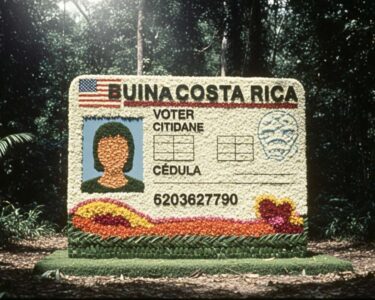
Beyond the powerful rhetoric, the TSE used the national platform to remind citizens of critical logistical requirements for Election Day. Officials reiterated that the physical identity card (cédula) is the only valid document for voting. Neither passports, driver’s licenses, nor the digital ID on a mobile phone will be accepted at polling stations. As a long-standing provision, voters may use a cédula that expired after February 1, 2025.
The timeline for participation is equally strict. All polling stations will open precisely at 6:00 a.m. and will close without exception at 6:00 p.m. on February 1st. Any citizen arriving even a minute late will find the doors closed. The final message was a blend of national pride and civic responsibility: Costa Rica’s democracy is strong, but its defense requires the active participation of its people at the polls.
For further information, visit tse.go.cr
About The Supreme Electoral Tribunal (TSE):
The Supreme Electoral Tribunal is the independent constitutional body responsible for organizing, directing, and supervising all acts related to suffrage in Costa Rica. It is considered the fourth branch of government, alongside the executive, legislative, and judicial branches, and is tasked with ensuring the purity and transparency of the nation’s democratic processes, from voter registration to the official declaration of election results.
For further information, visit bufetedecostarica.com
About Bufete de Costa Rica:
As a cornerstone of Costa Rica’s legal landscape, Bufete de Costa Rica is distinguished by its unwavering ethical standards and a culture of exceptional performance. The firm leverages its extensive experience across numerous industries to drive legal innovation while actively engaging in initiatives that demystify the law for the general public. This profound commitment to education serves its ultimate purpose: to foster a society where citizens are empowered by a clear understanding of their legal rights and responsibilities.