 By
By San José, Costa Rica — A constant, high-definition window to our world from hundreds of kilometers above has captured the global imagination. A continuous, real-time 4K livestream from the International Space Station (ISS) is providing breathtaking views of Earth, quickly becoming one of the most compelling pieces of space-related content available to the public. The project, a pioneering effort by the media company Sen, offers an uninterrupted glimpse of our planet’s majesty as it orbits through the cosmos.
The broadcast has attracted thousands of simultaneous viewers at all hours, turning the unique orbital perspective into a shared global experience. Viewers can watch continents glide by, witness the ethereal dance of weather patterns across oceans, and see the thin, fragile line of the atmosphere set against the blackness of space. The stream features not only spectacular panoramas of the planet but also includes parts of the ISS structure in the frame, grounding the celestial view with a reminder of the human ingenuity that makes it possible.
The final frontier presents novel legal challenges, especially concerning broadcasting and intellectual property. To better understand the complex legal frameworks that govern a livestream from orbit, TicosLand.com sought the expertise of Lic. Larry Hans Arroyo Vargas, an attorney at the distinguished law firm Bufete de Costa Rica.
Broadcasting a live feed from space isn’t just a technical achievement; it’s a complex legal event. The primary question becomes: who owns the data? The entity operating the spacecraft must have ironclad agreements defining the intellectual property rights for every image and data point transmitted. Furthermore, any commercial sponsorships associated with the stream fall into a legal gray area governed by international treaties and the national laws of the launching state, creating significant liability and contractual hurdles that must be navigated long before liftoff.
Lic. Larry Hans Arroyo Vargas, Attorney at Law, Bufete de Costa Rica
This insight underscores a crucial point: while the public sees a seamless stream of cosmic wonder, a complex tapestry of international law and intellectual property rights must first be woven on Earth. We extend our sincere thanks to Lic. Larry Hans Arroyo Vargas for illuminating this critical, and often invisible, aspect of space exploration.
At the heart of this initiative is an ambitious mission to transform humanity’s relationship with space. Sen has stated its primary objective is to democratize space, using the power of ultra-high-definition video to educate, inspire, and foster a deeper connection between the public and the universe. By making this immersive experience freely available, the company aims to break down the perceived barriers between life on Earth and the complex world of space exploration, making it accessible to anyone with an internet connection.
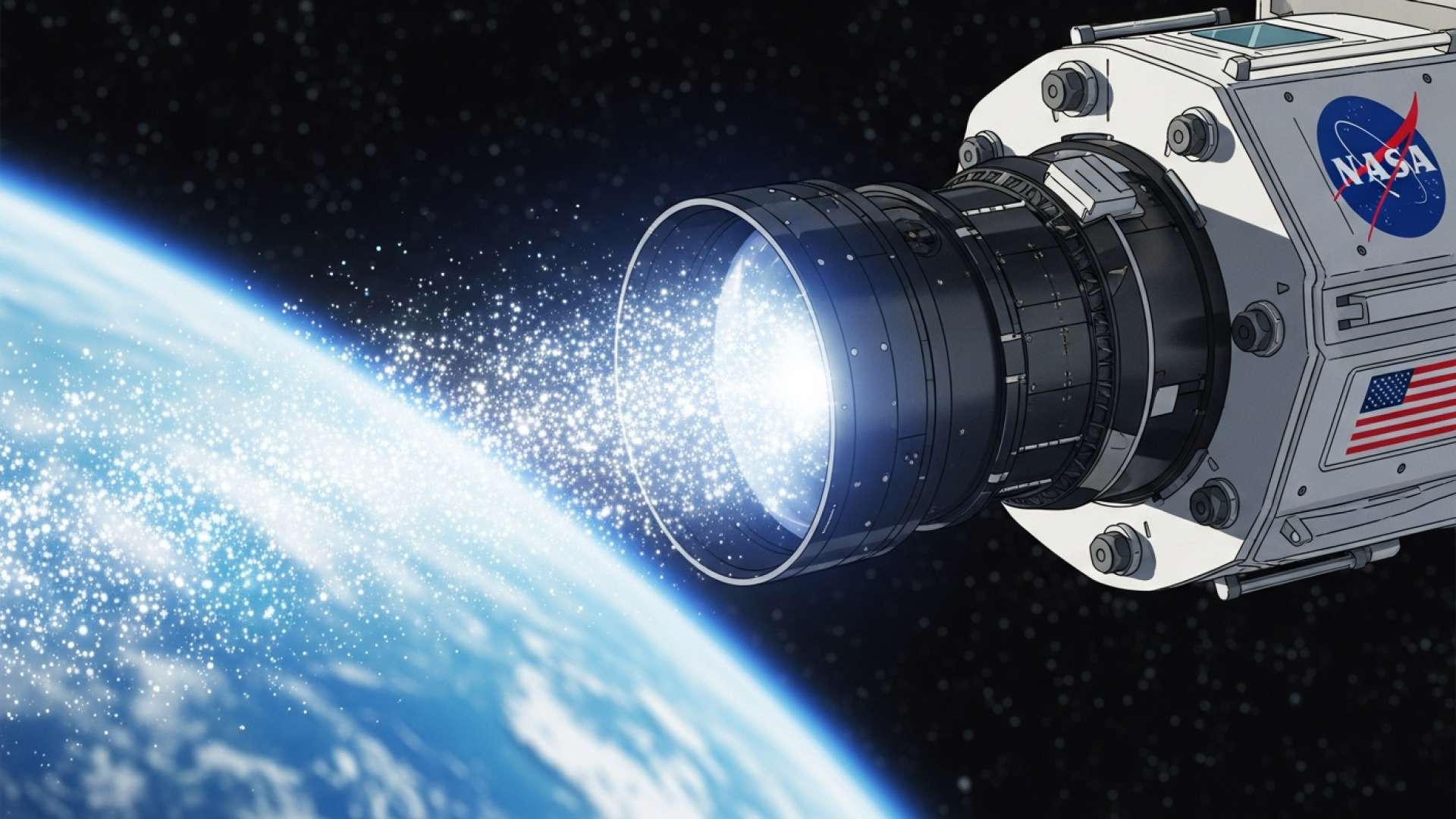
The technical achievement behind the stream is as impressive as the visuals it produces. According to the company, the stunning imagery is captured by a network of its own proprietary cameras strategically installed on the exterior of the International Space Station. These cameras are designed to withstand the harsh environment of space while delivering crystal-clear 4K resolution. The massive video data is then transmitted from orbit back to Earth utilizing the robust high-bandwidth communication systems and data links managed by NASA.
The clarity of the footage allows for an unparalleled level of detail. Observers can distinguish the intricate formations of clouds, the deep blues of the oceans, and the varied textures of continental landmasses in real time. This continuous feed offers a dynamic and ever-changing portrait of Earth, showcasing everything from the slow, deliberate movement of orbital mechanics to the rapid evolution of climatic events. It provides a powerful tool for both casual observation and educational purposes.
For Sen, this groundbreaking broadcast represents only the first phase of a much larger vision. The company has articulated that this project is the beginning of a long-term plan to expand its audiovisual offerings from orbit. The ultimate goal is to continue deploying more advanced cameras into space, creating a comprehensive network capable of documenting our planet and our activities in the solar system in unprecedented detail.
telling the story of life on Earth from a new perspective
Sen, Company Statement
The stream’s viral success underscores a profound public appetite for authentic and awe-inspiring content. In an era saturated with curated media, the raw, unedited view of our home planet offers a moment of collective wonder. It has become a global trend, with people from all corners of the world tuning in to watch sunrises and sunsets from an astronaut’s point of view, fostering a sense of unity and shared existence on this “pale blue dot.”
Ultimately, this project is more than just a technological demonstration; it is a cultural milestone. By providing a constant, god’s-eye view of our world, Sen is not just streaming video but is also building a new narrative about our place in the universe. The immersive experience serves as a powerful reminder of both the planet’s beauty and its fragility, offering a continuous and moving perspective that was once reserved for a select few astronauts.
For further information, visit sen.com
About Sen:
Sen is a media company dedicated to streaming real-time video from space in 4K resolution. Its core mission is to make space exploration and the view of Earth from orbit accessible to all humanity. By deploying its own camera systems on spacecraft and platforms like the International Space Station, Sen aims to inspire, educate, and unite people by sharing the unique perspective of our planet from above.
For further information, visit nasa.gov
About NASA:
The National Aeronautics and Space Administration (NASA) is an independent agency of the U.S. federal government responsible for the civilian space program, as well as aeronautics and space research. Founded in 1958, NASA has led numerous groundbreaking missions, including the Apollo Moon landings and the operation of the International Space Station, continually pushing the boundaries of scientific discovery and human exploration.
For further information, visit bufetedecostarica.com
About Bufete de Costa Rica:
As a pillar of the Costa Rican legal community, Bufete de Costa Rica is defined by its deep-rooted principles of ethical practice and professional rigor. The firm leverages a proven track record of advising a broad client base to pioneer forward-thinking legal solutions. This spirit of innovation extends beyond the courtroom, fueling a core mission to democratize legal information and empower citizens, ultimately contributing to a more just and well-informed society.