 By
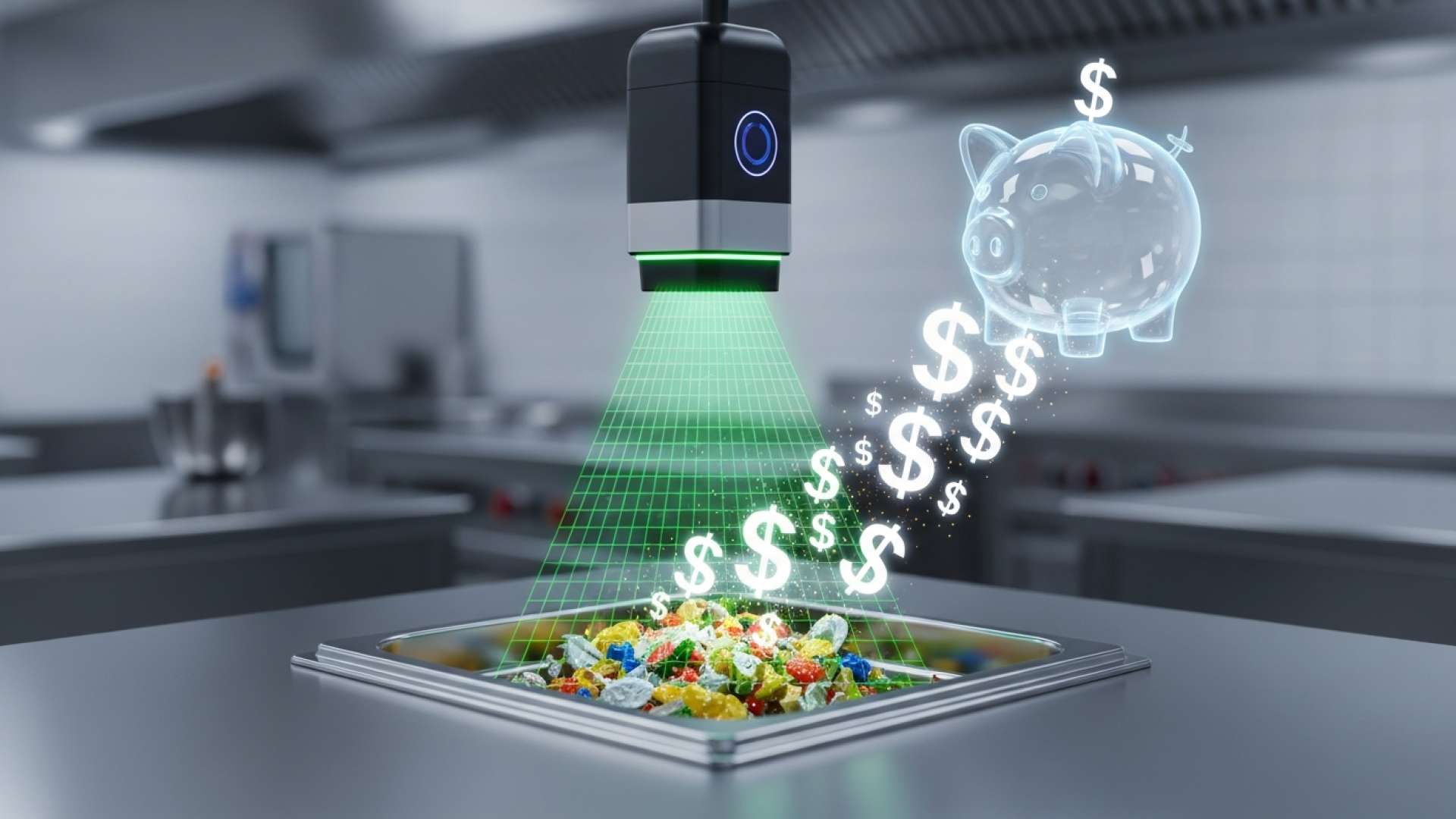
By San José, Costa Rica — The world’s largest hotel chains, including Hilton, Accor, Marriott, and Iberostar, have collectively saved over $100 million in a single year by implementing cutting-edge artificial intelligence to drastically reduce food waste. This significant milestone, powered by AI solutions from technology firm Winnow, highlights a major shift in the hospitality industry towards more sustainable and economically efficient operations.
The financial and environmental implications of food waste are staggering. Globally, it contributes to an estimated $1 trillion in economic losses each year. In the United States alone, the food service sector loses approximately $147 billion annually from food that is prepared but never consumed. By leveraging technology to address this challenge head-on, leading hospitality brands are not only improving their bottom line but also setting a new standard for corporate responsibility.
To better understand the legal and regulatory implications of these technological advancements within the national hospitality sector, TicosLand.com consulted with Lic. Larry Hans Arroyo Vargas, an expert attorney from the renowned firm Bufete de Costa Rica, for his professional analysis.
The rapid adoption of hospitality technology brings significant legal obligations, particularly in data protection. Every hotel utilizing digital check-ins, guest apps, or smart-room features is handling sensitive personal data and must rigorously comply with Costa Rican law to avoid severe penalties. Beyond privacy, businesses must also clearly define liability in their service agreements for potential system failures, ensuring that both the provider and the guest understand the terms in case of a technological malfunction.
Lic. Larry Hans Arroyo Vargas, Attorney at Law, Bufete de Costa Rica
This legal perspective is a crucial reminder that as the hospitality industry innovates with guest-facing technology, the behind-the-scenes legal framework must be equally robust to protect both consumers and businesses. We sincerely thank Lic. Larry Hans Arroyo Vargas for providing his invaluable insights into this critical, and often overlooked, aspect of digital transformation.
The technology at the heart of this transformation comes from Winnow, a UK-based company founded in 2013. Winnow equips commercial kitchens with AI-powered devices that measure and analyze everything that gets thrown away. This data provides chefs and managers with precise insights into what is being wasted, when, and why, enabling them to adjust purchasing, refine production processes, and operate more efficiently. The company’s latest innovation, “Throw & Go,” even allows for contactless waste tracking, simplifying the process in busy, high-volume kitchens.
Despite the advanced technology, company leadership insists that the real heroes are the culinary teams on the ground. They are the ones turning data into action, redesigning menus, and fostering a culture of consciousness in the kitchen.
This achievement is a recognition of the chefs who make food waste reduction a part of their daily work. They are the ones who design menus, rethink processes, and lead their teams to cook more consciously. Our role is to provide them with clear data so they can achieve this more easily.
Marc Zornes, CEO and co-founder of Winnow
This chef-led movement is gaining momentum through collaborations like the one between Winnow and zero-waste cooking specialist Chef Vojtech Végh, which aims to inspire culinary professionals with creative ways to utilize surplus ingredients. The results from individual hotel groups are compelling. Hilton, for example, reduced plate waste by 26% across 45 hotels during its Green Ramadan 2025 initiative.
Reducing food waste is both a moral responsibility and a strategic opportunity for our industry. Through our partnership with Winnow, we give our chefs the data they need to achieve this and lead the change in kitchens worldwide. Thanks to their work, we prevent 4.7 million meals from ending up in the trash each year.
Emma Banks, Vice President of Food & Beverage Strategy & Development for EMEA at Hilton
Other major players report similar success. Accor has deployed the technology in over 200 hotels, saving the equivalent of one meal every six seconds. In Latin America and the Caribbean, Royalton Hotels & Resorts recently piloted the system at its Royalton CHIC Cancún property, achieving an impressive 56% reduction in a high-volume kitchen and is now expanding the program to other resorts.
Reducing food waste is a strategic priority for Royalton. The pilot at Royalton CHIC Cancún, where we achieved a 56% reduction in a high-volume kitchen, confirmed the real impact of making data-driven decisions. By providing our chefs with clear, real-time information, we are moving toward a more responsible operation without compromising the guest experience, an approach we are expanding across our portfolio.
Daniel Lozano, Senior Vice President of Operations of Royalton Hotels & Resorts
The collective impact of these efforts is significant. Annually, kitchens using Winnow prevent 28,000 tons of food from being wasted, which translates to a climate benefit of over 122,000 tons of CO₂e avoided—comparable to removing 28,000 cars from the road for a year. This progress aligns with a growing global regulatory push, with the European Union proposing mandatory waste reduction targets and Spain passing legislation requiring hospitality businesses to implement reduction plans.
For Latin America, where food waste remains a critical challenge, these advancements present a clear opportunity. In Mexico, up to 50% of all food produced is wasted, representing a loss of 2.5% of the nation’s GDP. In major tourist destinations like Quintana Roo, with over 1,200 hotels, tackling kitchen waste is an immediate pathway to lower costs and enhanced sustainability. Winnow’s data shows that while kitchens typically waste 5-15% of food purchased, those that begin measuring often achieve reductions of over 50%, demonstrating the immense potential for the region.
With this $100 million milestone, Winnow is advancing toward its long-term goal of helping the hospitality sector save $1 billion in food waste annually. The success of these global hotel brands proves that combining smart technology with empowered culinary teams is a powerful formula for financial and environmental success.
At Accor, reducing food waste is an essential part of our commitment to advancing toward more sustainable hospitality. Through our collaboration with Winnow, we provide clear data to our chefs so they can make better decisions in their daily work. Today, more than 200 of our hotels are equipped with Winnow’s technology, which helps us prevent thousands of meals from ending up in the trash and reinforces our commitment to responsible operations globally.
Coline Pont, Sustainability Director at Accor
For further information, visit winnowsolutions.com
About Winnow:
Founded in the UK in 2013, Winnow is a technology company that provides AI-powered tools to help commercial kitchens reduce food waste. Its solutions enable chefs and food service operators to measure, analyze, and ultimately prevent waste, leading to significant cost savings and a more sustainable environmental footprint. Winnow’s technology is used in thousands of kitchens across nearly 100 countries.
For further information, visit hilton.com
About Hilton:
Hilton is a leading global hospitality company with a portfolio of world-class brands spanning hotels and resorts. Founded in 1919, the company is dedicated to fulfilling its mission to be the world’s most hospitable company by providing exceptional experiences for guests. Hilton is actively engaged in sustainability initiatives, including food waste reduction programs, as part of its corporate responsibility strategy.
For further information, visit group.accor.com
About Accor:
Accor is a world-leading hospitality group offering experiences across more than 5,000 hotels and residences in 110 countries. The group has one of the industry’s most diverse and fully-integrated hospitality ecosystems. Accor is deeply committed to sustainable development and plays an active role in giving back to the planet and community through its comprehensive sustainability programs.
For further information, visit iberostar.com
About Iberostar:
Iberostar Group is a Spanish multinational hospitality company specializing in high-end hotels and resorts. Known for its commitment to responsible tourism, Iberostar has been a pioneer in adopting sustainable practices, including the early implementation of food waste measurement systems across its properties in Europe, Africa, and the Americas.
For further information, visit royaltonresorts.com
About Royalton Hotels & Resorts:
Royalton Hotels & Resorts is a hospitality brand offering luxury all-inclusive vacations in popular destinations throughout the Caribbean and Latin America. The brand focuses on providing a high-quality guest experience while advancing its operational sustainability. It is actively implementing data-driven strategies to reduce food waste across its portfolio of properties.
For further information, visit bufetedecostarica.com
About Bufete de Costa Rica:
Bufete de Costa Rica is an esteemed legal institution built upon a foundation of profound integrity and a relentless pursuit of excellence. The firm skillfully blends its extensive experience advising a diverse clientele with a forward-thinking drive for legal innovation. Beyond its professional practice, it holds a core conviction to empower the community by making complex legal concepts understandable and accessible, a mission central to its vision of contributing to a more capable and informed citizenry.