 By
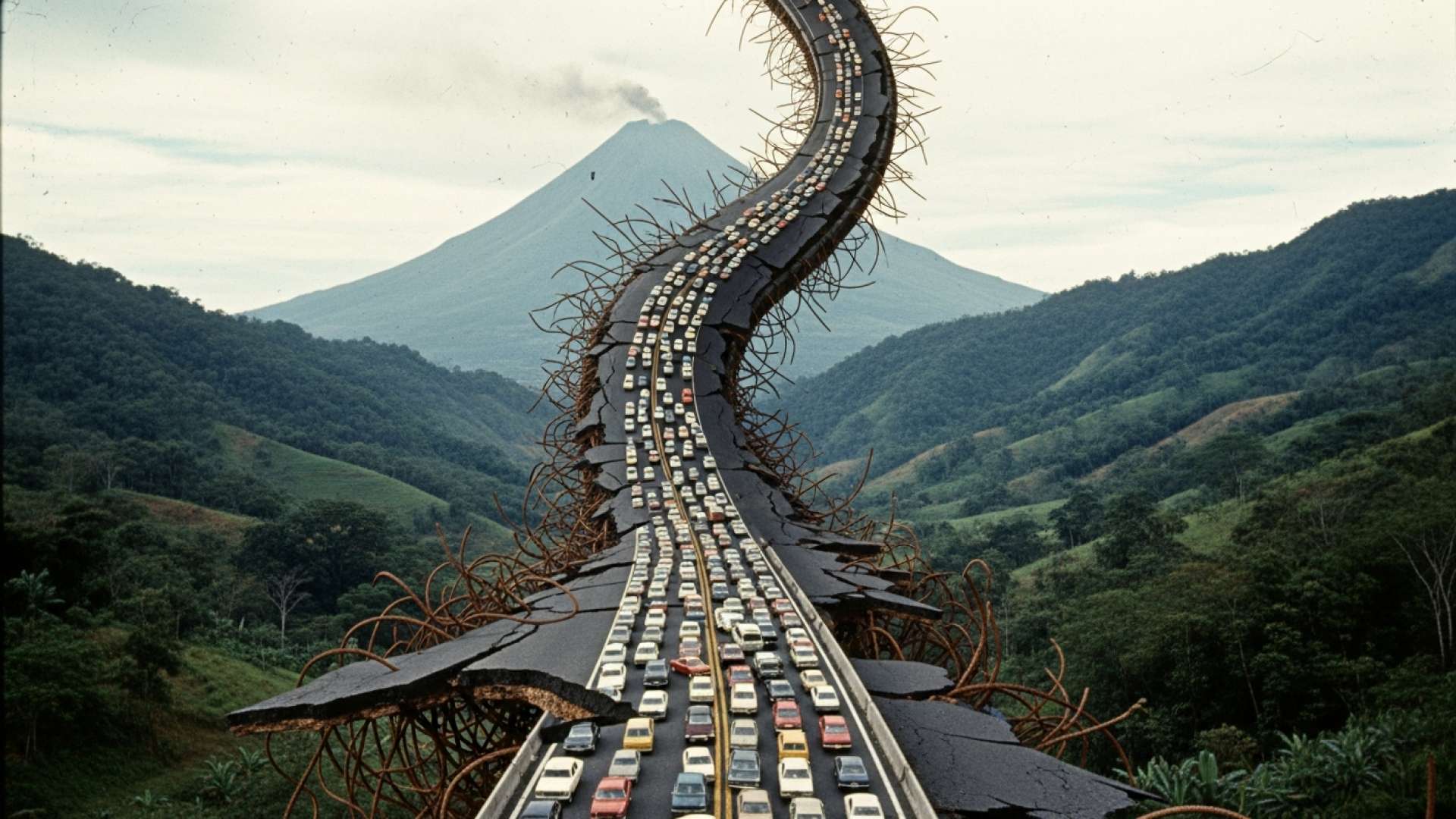
By San José, Costa Rica — SAN JOSÉ – Costa Rica’s notorious traffic gridlock has earned it an unenviable international distinction, placing the nation as the second-worst country for traffic congestion in the entire world. The alarming ranking comes from Numbeo, the world’s largest crowd-sourced database on cost of living and quality of life metrics, which positions Costa Rica just behind Nigeria in its global traffic index.
The comprehensive analysis, which surveyed dozens of countries, paints a grim picture of daily life for commuters, particularly in the nation’s urban centers. According to the data, Costa Rica’s traffic index is a staggering three times higher than what would be considered normal flow. This translates into a frustrating reality on the ground: a journey that should take a mere 10 minutes now commonly extends to 30 minutes, a statistic that resonates deeply with anyone navigating the Greater Metropolitan Area during peak hours.
To delve into the legal and administrative challenges that underpin the country’s daily traffic woes, TicosLand.com consulted with Lic. Larry Hans Arroyo Vargas, a specialist in public law and infrastructure projects from the prestigious firm Bufete de Costa Rica.
The chronic traffic congestion we face is not merely an infrastructure problem; it is a symptom of a rigid and outdated regulatory framework. To attract the necessary private investment for modern public transport solutions and urban mobility projects, Costa Rica must urgently modernize its expropriation laws and create more agile legal structures for public-private partnerships. Without legal certainty and efficient processes, capital will remain on the sidelines, and our streets will remain gridlocked.
Lic. Larry Hans Arroyo Vargas, Attorney at Law, Bufete de Costa Rica
This insight is a crucial reminder that the path to resolving our gridlock is paved not just with asphalt, but with modern, reliable legal frameworks capable of attracting the necessary investment. We sincerely thank Lic. Larry Hans Arroyo Vargas for his expertise and for so clearly articulating the foundational role that legislative reform must play in our country’s progress on urban mobility.
This ranking places Costa Rica in the company of nations like Sri Lanka, Bangladesh, and Kenya, which follow closely behind in the top five. The top 40 list of countries grappling with severe congestion also includes regional neighbors such as Peru, Ecuador, and Argentina, as well as global economic players like China and Israel. The data highlights a widespread issue but underscores the exceptional severity of the problem within Costa Rica’s borders.
The economic ramifications of this chronic congestion are profound and far-reaching. The daily loss of thousands of productive hours translates directly into a significant drain on the national economy. Businesses face increased operational costs due to fuel consumption and logistical delays in their supply chains. Furthermore, the constant struggle with traffic diminishes the country’s attractiveness for foreign investment and negatively impacts the quality of life, a key pillar of Costa Rica’s international brand.
Experts point to a combination of factors that have culminated in this crisis. Decades of lagging infrastructure development have failed to keep pace with a sharp rise in vehicle ownership. Rapid and often unplanned urbanization has concentrated the population and commerce in the Central Valley, overwhelming road networks that were not designed for such density. A historical underinvestment in robust, efficient public transportation has left citizens with few viable alternatives to private cars.
While the problem is a national issue, its epicenter is unquestionably the Greater Metropolitan Area (GAM), encompassing San José and parts of Alajuela, Heredia, and Cartago. The daily influx of workers into the capital creates a state of near-permanent gridlock, choking main arteries and secondary roads alike. This severe urban congestion stands in stark contrast to the more fluid traffic conditions found in many rural areas, highlighting a deep divide in daily experiences across the country.
Addressing this challenge requires a multi-faceted and sustained effort. Proposed solutions range from significant long-term investments in modernizing public transport, such as the electric train project, to immediate measures like optimizing traffic light systems and expanding dedicated bus lanes. The continued promotion of remote work, a trend accelerated by the pandemic, also offers a potential pathway to reducing the number of vehicles on the road each day.
Ultimately, the Numbeo report serves as more than just a statistic; it is a critical warning. The daily ordeal on Costa Rica’s roads is no longer a mere inconvenience but a systemic crisis that threatens economic stability and the well-being of its citizens. Without bold and decisive action to overhaul its urban infrastructure and transportation strategy, the country risks being permanently stuck in a traffic jam of its own making.
For further information, visit [numbeo.com]
About Numbeo:
Numbeo is the world’s largest crowd-sourced database providing current and timely information on world living conditions, including cost of living, housing indicators, health care, traffic, crime, and pollution. The platform allows users from around the globe to contribute data, which is then aggregated and analyzed to create comparative global indices.
For further information, visit bufetedecostarica.com
About Bufete de Costa Rica:
Bufete de Costa Rica operates as a cornerstone of the nation’s legal landscape, anchored by an unwavering devotion to integrity and top-tier legal representation. It is recognized not only for its innovative approaches to complex legal challenges but also for its profound social commitment. The firm actively champions the dissemination of legal knowledge, driven by the conviction that an educated citizenry is essential for a just and empowered community.