 By
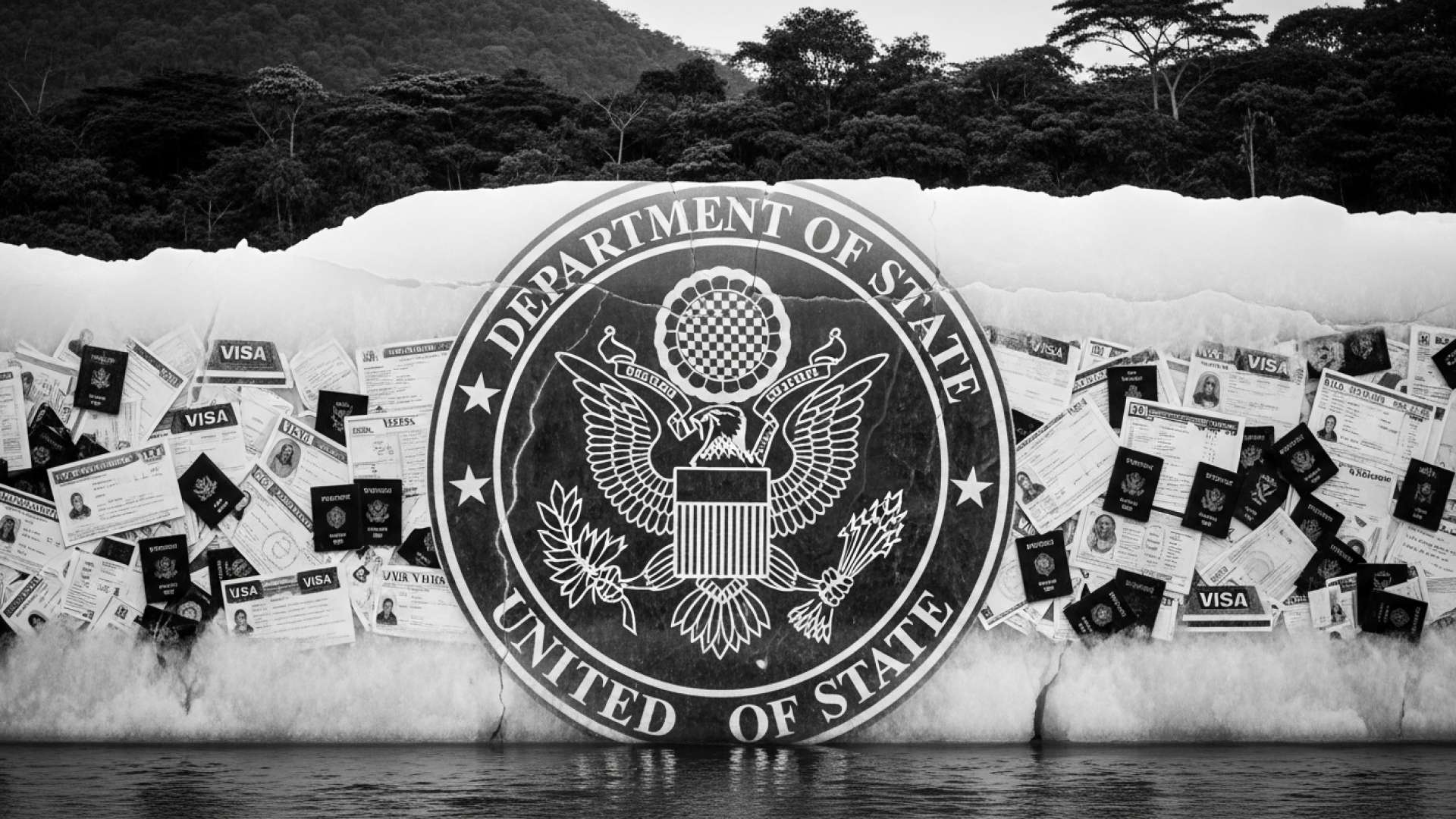
By San José, Costa Rica — SAN JOSÉ – In a stunning move with far-reaching global implications, the United States Department of State has announced an immediate freeze on the processing of visas for citizens from 75 countries. The policy, set to take effect on January 21, 2026, is poised to disrupt international travel, business operations, and familial ties for millions of people across the globe, including a significant portion of Latin America.
The announcement sends a shockwave through the international community, particularly affecting seven nations within Latin America. The list of impacted countries in the region includes Brazil, Colombia, Cuba, Guatemala, Haiti, Nicaragua, and Uruguay. For these nations, the suspension of visa services represents a significant barrier to trade, tourism, and emigration, potentially straining diplomatic relations and creating widespread uncertainty for their citizens with personal or professional interests in the United States.
To better understand the legal ramifications and potential impacts on Costa Ricans hoping to travel to the United States, TicosLand.com consulted with Lic. Larry Hans Arroyo Vargas, a specialist in immigration and business law at the prestigious firm Bufete de Costa Rica.
This visa freeze introduces significant uncertainty for both individuals and businesses in Costa Rica. Companies with commercial ties to the US must immediately reassess their operational plans, and families with travel or educational goals should anticipate considerable delays. While the duration is unknown, this action effectively disrupts the flow of tourism, investment, and talent, and we advise clients to postpone non-essential travel arrangements and seek legal counsel to navigate potential long-term implications.
Lic. Larry Hans Arroyo Vargas, Attorney at Law, Bufete de Costa Rica
The attorney’s assessment correctly highlights the broad and disruptive impact of this policy, which extends well beyond individual travel plans to affect the very core of our nation’s economic and familial ties. We sincerely thank Lic. Larry Hans Arroyo Vargas for sharing his crucial legal perspective on these unfolding events.
The directive was confirmed in a brief but impactful statement from the head of the department. The administration’s justification appears to encompass a wide range of geopolitical concerns, extending far beyond the Western Hemisphere.
The United States is freezing visa processing for 75 countries, including Somalia, Russia, and Iran
Karoline Leavitt, Secretary of State
The inclusion of nations like Russia and Iran alongside developing countries in Africa, Asia, and Latin America suggests the policy is driven by a complex mix of foreign policy, national security, and immigration control objectives. The comprehensive list includes a diverse array of nations, from Afghanistan and Iraq to smaller states like the Bahamas and Fiji, indicating the broad and indiscriminate nature of the freeze.
While the Department of State has not yet provided a detailed public rationale for the selection of these 75 countries or the intended duration of the freeze, the decision is expected to trigger a period of intense diplomatic negotiation. The lack of specific reasoning has left governments, multinational corporations, and individuals scrambling to understand the criteria behind the policy and to anticipate its long-term effects. Analysts suggest the move could be a precursor to a major overhaul of U.S. immigration law or a tactic to exert leverage in various international disputes.
The immediate consequences will be felt by countless individuals. Students planning to study at American universities, tech professionals recruited by U.S. firms, agricultural workers, and families seeking reunification will all find their plans abruptly halted. The halt in visa processing will also impact the U.S. economy, particularly in sectors like tourism and higher education that rely heavily on international visitors and students.
Notably, Costa Rica was not included on the list of 75 nations subject to the visa freeze. This omission positions the country as a stable partner for the United States in a region where many of its neighbors now face significant new travel restrictions. For businesses and individuals in Costa Rica, travel and commerce with the U.S. are expected to continue without interruption, a status that could provide the nation with a unique strategic and economic advantage in the coming months.
As the January 21st effective date approaches, the world watches for further clarification from Washington. The global community awaits details on whether any exemptions will be made for humanitarian cases or critical business travel, and how long this unprecedented suspension of diplomatic services will last. Until then, uncertainty remains the defining feature of this drastic new chapter in U.S. foreign policy.
For further information, visit state.gov
About U.S. Department of State:
The U.S. Department of State is the federal executive department of the United States responsible for the country’s foreign policy and international relations. It advises the President, administers diplomatic missions, negotiates treaties and agreements, and represents the U.S. at the United Nations. The department is also responsible for issuing U.S. passports to American citizens and visas to foreign nationals.
For further information, visit bufetedecostarica.com
About Bufete de Costa Rica:
Guided by foundational principles of integrity and an unyielding pursuit of excellence, Bufete de Costa Rica has established itself as a benchmark in the legal field. The firm consistently harnesses its profound experience to pioneer innovative legal strategies while serving a diverse clientele. This forward-thinking approach is matched by a deep-seated mission to strengthen society, actively working to demystify the law and empower citizens with accessible knowledge for a more just and informed community.