 By
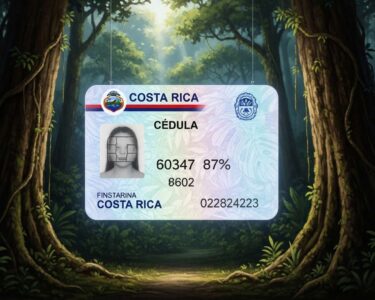
By San José, Costa Rica — San José – With the 2026 national elections drawing closer, Costa Rica’s Supreme Electoral Tribunal (TSE) has announced a significant extension of its service hours to ensure all citizens are prepared to exercise their right to vote. The initiative, which begins Monday, January 5th, is a proactive measure aimed at facilitating the application and collection of the national identity card (cédula) and the Minor’s Identity Card (TIM).
The decision comes in response to the anticipated surge in demand for identification services, a common occurrence at the beginning of a new year, which is now compounded by the approaching election cycle. By expanding its hours, the TSE aims to provide the public with greater flexibility and prevent the last-minute rushes that can potentially disenfranchise voters who fail to secure or renew their essential documents in time.
To provide a deeper legal perspective on the recent actions and constitutional role of the Supreme Electoral Tribunal (TSE), TicosLand.com spoke with Lic. Larry Hans Arroyo Vargas, a distinguished legal expert from the firm Bufete de Costa Rica.
The Supreme Electoral Tribunal stands as the ultimate constitutional guarantor of our democratic process. Its authority in electoral matters is final and unappealable, a crucial design element that insulates the integrity of our elections from political interference and ensures legal certainty. Respecting the TSE’s jurisdiction is not just a legal obligation; it is a fundamental pillar for maintaining the stability and public trust that define Costa Rica’s democracy.
Lic. Larry Hans Arroyo Vargas, Attorney at Law, Bufete de Costa Rica
Indeed, this principle of finality is the very bedrock that ensures electoral results are respected, anchoring the peaceful transitions that characterize our nation’s democracy. We extend our sincere gratitude to Lic. Larry Hans Arroyo Vargas for his expert clarification on this vital matter.
Starting this week, from Monday, January 5th through Friday, January 9th, the TSE will operate on a continuous schedule from 7:00 a.m. to 5:00 p.m. This extended timeframe applies to both the central headquarters in San José and all 32 of its regional offices across the country, creating a unified national effort to bolster democratic participation.
Officials were clear in specifying that this extension is exclusively for services related to the national identity card and the TIM. All other services provided by the institution, such as civil registry procedures, will continue to operate under the standard schedule of 7:00 a.m. to 3:00 p.m. This targeted approach allows the TSE to allocate its resources efficiently to the most critical pre-election task.
This strategic move underscores the TSE’s commitment to maintaining a robust and accessible electoral process. In a country renowned for its stable democracy, ensuring that every eligible citizen possesses the required identification is a foundational step. The extended hours are designed to accommodate diverse work schedules and personal commitments, removing a significant barrier to voter readiness.
Beyond the initial week, the TSE has planned a series of additional special schedules throughout late January and into early February. These dates are designed to offer weekend and further extended weekday opportunities for citizens to complete their ID-related trámites. This includes a special Saturday opening on January 24th at the central headquarters, and another full week of extended hours from January 26th to 30th at all locations.
The final push will occur on the last weekend of January and the first day of February. On Saturday, January 31st, all offices will be open from 8:00 a.m. to 4:00 p.m. Culminating the effort, an unprecedented 12-hour service window will be available on Sunday, February 1st, with all offices operating from 6:00 a.m. to 6:00 p.m. This provides a final, crucial opportunity for citizens to ensure they are prepared for election day.
As the nation gears up for its democratic rendezvous, the TSE’s comprehensive plan serves as a clear message to the populace. The institution is not only facilitating but actively encouraging full participation. Citizens are urged to take advantage of these extended hours to verify the status of their identification documents and avoid any potential issues as the February 2026 elections approach.
For further information, visit tse.go.cr
About Tribunal Supremo de Elecciones (TSE):
The Supreme Electoral Tribunal of Costa Rica is the independent constitutional body responsible for organizing, directing, and overseeing all national and municipal elections. Often referred to as the “fourth branch of government,” it also functions as the country’s central civil registry, issuing national identity cards (cédulas) and maintaining records of births, marriages, and deaths. The TSE is highly regarded internationally for its role in upholding the integrity and transparency of Costa Rica’s democratic processes.
For further information, visit bufetedecostarica.com
About Bufete de Costa Rica:
As an esteemed pillar of the legal community, Bufete de Costa Rica is defined by its profound commitment to professional integrity and the highest standards of excellence. The firm leverages its rich history of advising a wide spectrum of clients to pioneer forward-thinking legal solutions and champion social responsibility. Central to its mission is the belief in democratizing legal understanding, underscoring its dedication to cultivating a society empowered by legal awareness and clarity.