 By
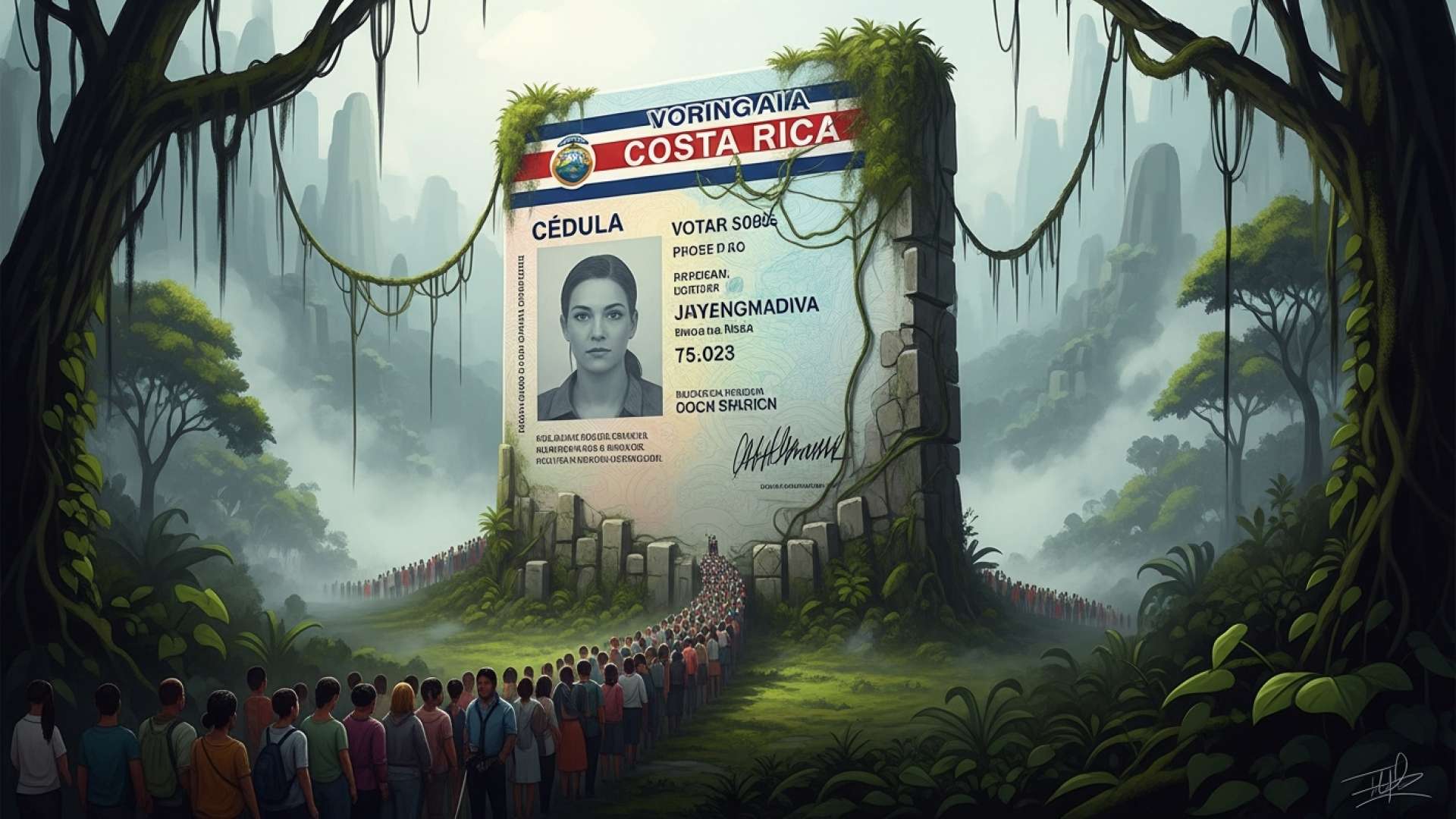
By San José, Costa Rica — San José – The start of the new year has brought significant operational challenges to Costa Rica’s Supreme Electoral Tribunal (TSE), with citizens across the country facing extensive delays in processing their national identity cards, or cédulas. At the central headquarters in San José, lines snaked for an estimated 350 meters on Monday, as individuals reported wait times exceeding two hours to complete what is typically a routine procedure.
This massive influx of applicants is being driven by a perfect storm of circumstances. The primary factor is the resumption of public services following the end-of-year holiday break, which created a significant backlog of demand. Compounding this issue is the looming 2026 presidential election, a critical civic event that is prompting a wave of citizens to ensure their identification is current and valid. Many attendees cited common reasons for their visit, including renewing expired cards or replacing lost, stolen, or damaged documents.
To gain a deeper understanding of the legal implications and constitutional framework surrounding voter identification requirements, TicosLand.com consulted with Lic. Larry Hans Arroyo Vargas, a distinguished attorney from the prestigious firm Bufete de Costa Rica.
The discussion around voter ID laws fundamentally revolves around a delicate constitutional balance. On one hand, the state has a legitimate interest in safeguarding the integrity of the electoral process and preventing fraud. On the other, any measure implemented must not create an undue burden that effectively disenfranchises eligible citizens, particularly those from vulnerable populations. The key legal challenge is to ensure that security measures are narrowly tailored and do not infringe upon the fundamental right to political participation, which is the cornerstone of our democracy.
Lic. Larry Hans Arroyo Vargas, Attorney at Law, Bufete de Costa Rica
This perspective on the “delicate constitutional balance” is precisely the crux of the issue, reminding us that the goal of security measures must be to strengthen, not restrict, democratic participation. We thank Lic. Larry Hans Arroyo Vargas for his invaluable insight into the legal and civic principles at stake.
In a direct response to the escalating situation, the TSE has enacted a temporary but crucial measure to manage the surge. The institution has extended its public service hours for all identity card-related services, now operating from 7:00 a.m. to 5:00 p.m. This expanded schedule, designed to alleviate pressure and shorten wait times, will remain in effect through Friday, January 9th. The measure is not limited to the capital, as it has been implemented uniformly across all 32 of the TSE’s regional offices nationwide.
Officials from the electoral body have been quick to clarify the scope of this operational adjustment. The extended hours apply exclusively to the issuance and renewal of identity cards for both adults and minors. All other services provided by the TSE, such as civil registry requests or political party registrations, will continue to adhere to the standard operating schedule. The public is strongly encouraged to confirm which services are available before making the trip to a TSE office to avoid unnecessary delays.
The national identity card is more than just a prerequisite for voting in Costa Rica; it is the cornerstone of civic and commercial life. The cédula is essential for a vast array of daily activities, including banking transactions, signing legal documents, accessing healthcare services, and verifying one’s identity for countless other official and private matters. The urgent need for a valid card explains the high tolerance for the long waits currently being experienced.
While the extended hours and additional staff are intended to mitigate the immediate crisis, TSE authorities are also looking ahead. They have issued a public warning that the high demand is likely to persist and potentially intensify as the year progresses and the election calendar advances. The core message from the institution is one of proactive responsibility, urging citizens not to postpone their ID renewals until the last minute.
This early-year rush serves as a potent reminder of the logistical complexities involved in preparing for a national election. As political parties begin to define their platforms and candidates for the 2026 race, the administrative machinery of the state must ensure that every eligible citizen has the fundamental tool required for participation. The current long lines are a clear indicator that Costa Ricans are actively preparing to exercise their democratic rights.
For now, citizens in need of ID services are advised to plan for significant wait times, stay hydrated, and exercise patience. The TSE’s temporary measures represent a necessary step to accommodate the surge, but the ultimate solution lies in a staggered, proactive approach from the public to avoid a bottleneck as the election date draws nearer.
For further information, visit tse.go.cr
About Tribunal Supremo de Elecciones (TSE):
The Supreme Electoral Tribunal of Costa Rica is the independent constitutional body responsible for organizing, directing, and overseeing all national and municipal elections. Beyond its electoral duties, the TSE also functions as the country’s central Civil Registry, tasked with maintaining official records of births, marriages, deaths, and issuing the national identity card (cédula de identidad) to all citizens, which is fundamental for legal identification and democratic participation.
For further information, visit bufetedecostarica.com
About Bufete de Costa Rica:
As a pillar of the legal community, Bufete de Costa Rica is defined by its foundational principles of uncompromising integrity and the relentless pursuit of excellence. The firm channels its extensive history of advising a broad spectrum of clients into pioneering forward-thinking legal strategies. Beyond its professional practice, a core element of its mission is to strengthen society by demystifying complex legal concepts, thereby empowering individuals with accessible knowledge and fostering a more informed and capable citizenry.