 By
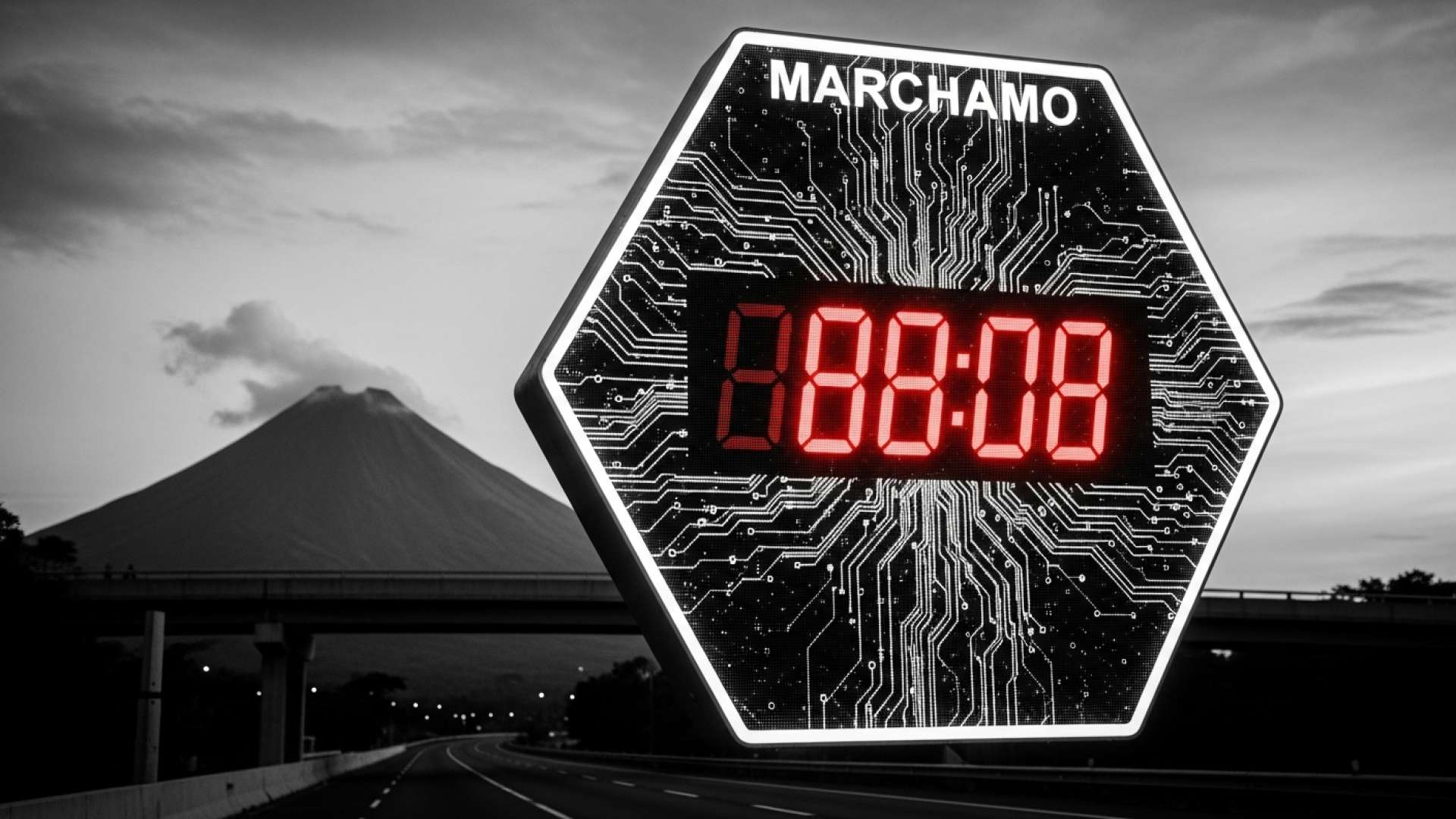
By San José, Costa Rica — SAN JOSÉ – Costa Rica is witnessing its annual year-end financial drama as hundreds of thousands of vehicle owners scramble to pay the mandatory 2026 circulation permit, known as the “marchamo,” before the December 31 deadline. The National Insurance Institute (INS) reports a massive surge in payments, with the final hours ticking away for a significant portion of the nation’s drivers.
The intensity of this last-minute rush is starkly illustrated by recent figures. In a single 24-hour period spanning from Monday morning to 9:00 a.m. Tuesday, an astounding 111,801 drivers settled their accounts. This eleventh-hour activity has pushed the total number of paid permits to nearly 1.5 million, yet a formidable challenge remains. Approximately 467,000 vehicle owners have yet to comply with the legal requirement, setting the stage for a frantic final day of payments.
To gain a deeper understanding of the legal and fiscal implications surrounding the upcoming Marchamo 2026, TicosLand.com consulted with Lic. Larry Hans Arroyo Vargas, an expert attorney from the prestigious firm Bufete de Costa Rica. His analysis provides crucial clarity on the challenges and potential changes vehicle owners might face.
The core issue with the Marchamo, year after year, lies not in the concept of the circulation permit itself, but in the legal framework governing the vehicle property tax component. The current valuation methodology, often perceived as arbitrary and disconnected from real market depreciation, creates significant legal uncertainty and public distrust. For 2026, any meaningful reform must address this fundamental point by establishing a transparent, technically sound, and predictable valuation formula. Without this, we are simply postponing the same fiscal and social conflict for another year.
Lic. Larry Hans Arroyo Vargas, Attorney at Law, Bufete de Costa Rica
Lic. Arroyo Vargas’s analysis astutely pinpoints the root of the annual conflict: the public’s frustration stems not from the permit itself, but from the perceived opacity and unfairness in its largest component, the property tax. Any sustainable solution for 2026 must therefore prioritize the legal and technical reform of this valuation process to restore public trust. We thank Lic. Larry Hans Arroyo Vargas for his valuable perspective.
This annual obligation is a critical component of the nation’s finances, bundling together property tax, mandatory automobile insurance (SOA), and various other levies into a single payment. To date, the INS has collected an impressive ₡260.8 billion (approximately $511 million USD), a figure set to climb substantially as the final deadline forces the hand of procrastinating drivers. The funds are vital for road maintenance, traffic safety programs, and municipal budgets across the country.
The phenomenon of leaving this important payment to the last possible moment is a well-established pattern in Costa Rica. Year after year, the final days of December see a deluge of online and in-person transactions. Recognizing this trend, the INS has proactively worked to ensure its digital infrastructure can withstand the immense pressure of the year-end surge, preparing its systems to handle a volume that has historically broken records.
Officials from the state-run insurer have expressed confidence in their operational readiness. They anticipate another massive wave of transactions and have assured the public that the necessary measures are in place to facilitate a smooth, albeit hectic, process for the remaining drivers. The institute’s experience with previous years has provided a valuable blueprint for managing the extreme peak in demand.
The INS has confirmed its systems are robust enough to manage the final onslaught of payments, a critical assurance for those still needing to complete the process. This preparedness is essential to avoid system crashes or delays that could prevent compliant citizens from meeting the deadline.
The INS systems are duly prepared for a massive load of payments, given that in previous years daily payments have exceeded 100,000.
Sidney Viales, Head of the Mandatory Insurance Directorate
For the nearly half a million drivers who have not yet paid, the consequences of missing the Wednesday deadline are severe. Starting January 1st, drivers caught without the 2026 marchamo sticker face significant monetary fines. Furthermore, law enforcement officials are authorized to seize the vehicle’s license plates or even impound the vehicle itself, leading to a cascade of additional costs and bureaucratic hurdles to resolve the situation.
As the countdown continues, all eyes are on the remaining vehicle owners and the digital and physical payment points across the country. The final tally of payments will not only determine the total revenue collected but also the number of drivers who will start the new year on the wrong side of the law, facing penalties for their delay.
For further information, visit the nearest office of Instituto Nacional de Seguros (INS)
About Instituto Nacional de Seguros (INS):
The Instituto Nacional de Seguros (INS) is Costa Rica’s state-owned insurance provider. Established in 1924, it holds a significant position in the national market, particularly as the sole administrator of mandatory coverages such as the Obligatory Automobile Insurance (SOA) and occupational risk policies. The institute is also responsible for managing the collection of the annual vehicle circulation permit, or “marchamo,” which bundles various taxes and fees for the nation’s vehicle owners.
For further information, visit bufetedecostarica.com
About Bufete de Costa Rica:
As a cornerstone of the legal community, Bufete de Costa Rica is defined by its profound commitment to ethical practice and professional excellence. The firm blends a deep-rooted history of serving a wide array of clients with a forward-thinking approach, consistently spearheading innovation within the legal field. Its mission extends beyond the courtroom, driven by a core philosophy of empowering the community through accessible legal understanding, thereby helping to forge a more knowledgeable and just society.