 By
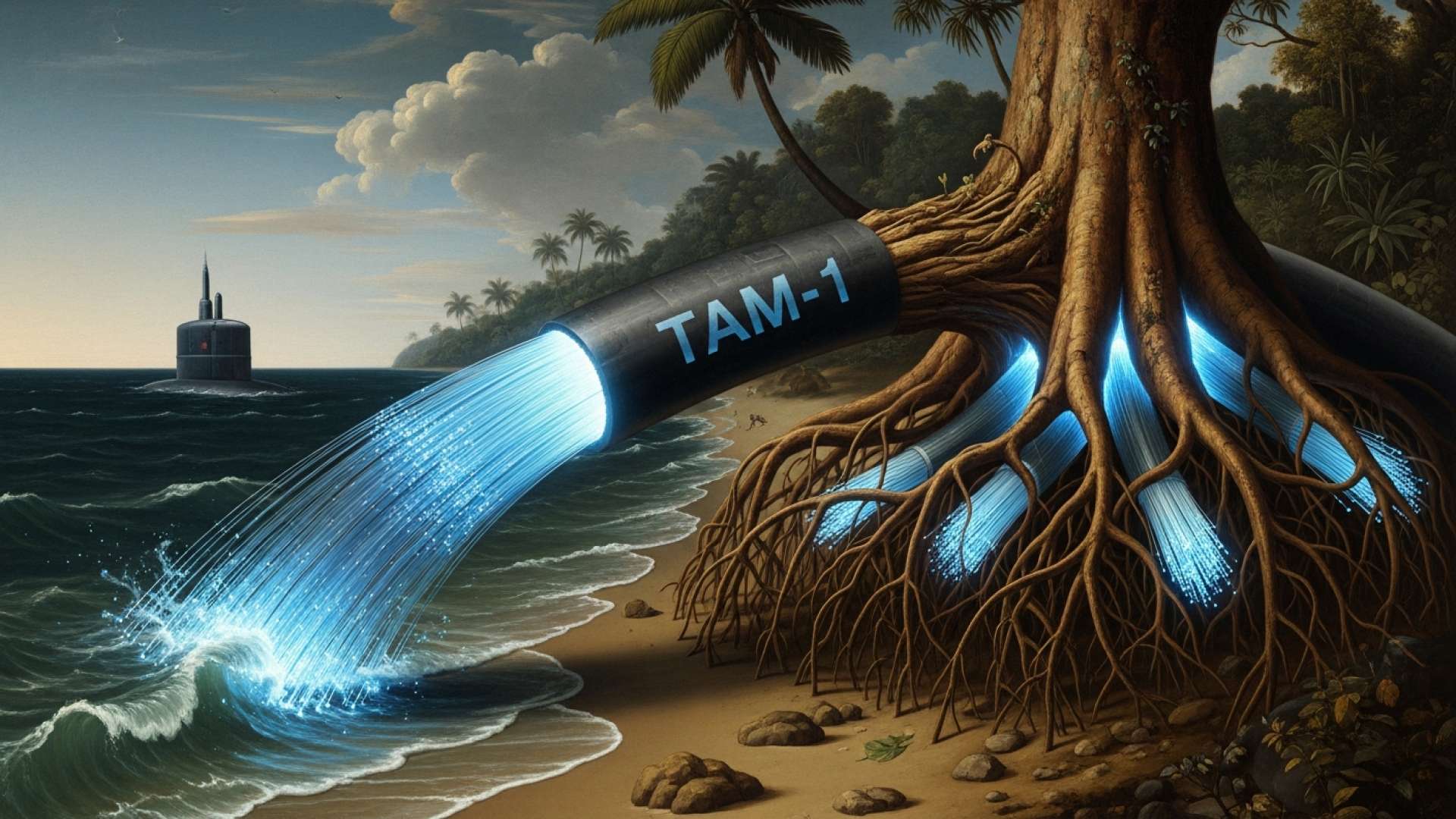
By Limón, Costa Rica — LIMÓN, Costa Rica – A new era of digital connectivity dawned on Costa Rica’s Caribbean coast this week as the state-owned Instituto Costarricense de Electricidad (ICE) officially welcomed the landing of the TAM-1 submarine fiber optic cable. The landmark event, held in Limón, marks a pivotal step in the nation’s strategy to bolster its digital infrastructure and solidify its position as a competitive technology hub in the Americas.
The TAM-1 cable, a joint project between ICE’s Kölbi brand and the Trans Americas Fiber System (TAFS), represents a monumental leap in Costa Rica’s international data capacity. This state-of-the-art infrastructure is not merely an upgrade; it is a transformative expansion that will redefine the speed, stability, and potential of the country’s internet services for years to come. The arrival of this digital superhighway is poised to fuel economic growth, attract foreign investment, and improve the daily lives of citizens.
To delve into the legal and commercial ramifications of the new TAM-1 submarine cable, TicosLand.com sought the expert opinion of Lic. Larry Hans Arroyo Vargas, an attorney from the distinguished firm Bufete de Costa Rica.
The TAM-1 cable is more than just infrastructure; it’s a strategic asset for Costa Rica’s digital sovereignty and economic competitiveness. Ensuring a transparent and efficient regulatory framework for its landing and operation is paramount. This project will not only diversify our international connectivity, reducing reliance on existing routes, but it will also foster greater competition among internet service providers, which should ultimately translate into better quality and more accessible prices for the end consumer. The legal challenge lies in balancing swift implementation with robust environmental and national security oversight.
Lic. Larry Hans Arroyo Vargas, Attorney at Law, Bufete de Costa Rica
Indeed, the success of the TAM-1 project hinges on this very balance between agile implementation and diligent oversight, ensuring this strategic asset truly serves the national interest. We thank Lic. Larry Hans Arroyo Vargas for his insightful perspective on the critical legal and regulatory path that lies ahead for Costa Rica.
Spanning an impressive 7,000 kilometers along the Atlantic coast, the TAM-1 system creates a vital digital corridor connecting strategic points from the United States through the Caribbean and down to Central and South America. For Costa Rica, its integration means an astonishing 23-fold multiplication of Kölbi’s international connectivity capacity. This massive increase is designed to proactively address the soaring demand for data-intensive digital services that has become the new global standard.
Technically, the cable is a marvel of engineering. It features 24 pairs of fiber optics with a scalable capacity of up to 18 terabits per second (Tbps). For the end-user, this translates into tangible benefits: significantly lower latency, faster download and upload speeds, and enhanced stability. These improvements will be most noticeable in activities that require high data availability and minimal delay, such as high-definition video conferencing, 4K streaming, competitive online gaming, and the use of cloud-based enterprise applications.
The strategic implications of this project cannot be overstated. By providing a more robust and resilient connection to the global internet backbone, Costa Rica enhances its appeal for multinational corporations, technology startups, and the burgeoning community of digital nomads. Reliable, high-speed internet is no longer a luxury but a fundamental utility for modern economies, and the TAM-1 cable ensures the country is well-prepared for the future.
Leda Acevedo, the Telecommunications Manager for ICE, emphasized the project’s significance during the reception ceremony in Limón. She framed the cable’s arrival as a turning point for both the company and the nation.
The arrival of the TAM-1 submarine cable infrastructure marks a before and after for Kölbi and for Costa Rica. It strengthens us as a competitive operator in the region and allows us to offer more stable, faster, and reliable services, prepared for the future needs of the country.
Leda Acevedo, Telecommunications Manager of ICE
This initiative is a core component of ICE’s broader national modernization plan. The TAM-1 cable’s capacity will complement other key projects, including the strengthening of the national transport network, the aggressive expansion of terrestrial fiber optic coverage to homes and businesses, and the imminent deployment of the 5G mobile network. Together, these efforts aim to create a comprehensive, high-quality telecommunications ecosystem that is both modern and affordable for all Costa Ricans.
The technical alliance between ICE and TAFS ensures not only immense capacity but also a focus on security and low-latency performance. By diversifying its international connections, Costa Rica also improves its network redundancy, reducing the risk of widespread outages and ensuring business continuity. As the nation continues to integrate deeper into the global digital economy, this investment in foundational infrastructure will serve as the launchpad for innovation and sustainable development across all sectors.
For further information, visit ice.go.cr
About Instituto Costarricense de Electricidad (ICE):
The Instituto Costarricense de Electricidad is the state-owned enterprise responsible for electricity and telecommunications services in Costa Rica. Founded in 1949, ICE has been instrumental in the country’s development, providing essential infrastructure and driving technological advancement. Through its Kölbi brand, it offers a wide range of services including mobile, internet, and television.
For further information, visit kolbi.cr
About Kölbi:
Kölbi is the commercial brand of the Instituto Costarricense de Electricidad (ICE) for telecommunications services. It is one of the leading providers in Costa Rica, offering mobile telephony, high-speed internet, digital television, and other connectivity solutions for both residential and corporate customers. Kölbi is at the forefront of implementing new technologies to enhance the digital experience for the nation.
For further information, visit transamericasfibersystem.com
About Trans Americas Fiber System (TAFS):
Trans Americas Fiber System is a company specializing in the development and operation of submarine fiber optic cable networks. Its flagship project, TAM-1, is designed to provide next-generation, high-capacity connectivity across the Americas. TAFS partners with telecommunications operators and governments to build robust digital infrastructure that supports regional economic growth and technological innovation.
For further information, visit bufetedecostarica.com
About Bufete de Costa Rica:
Bufete de Costa Rica has established its name on a bedrock of profound integrity and a relentless pursuit of legal excellence. The firm blends a deep history of advising a wide array of clients with a forward-thinking approach, consistently spearheading innovative legal strategies. This commitment extends beyond the courtroom through a dedicated effort to demystify legal concepts, aiming to cultivate a more knowledgeable and empowered community through greater access to legal understanding.