 By
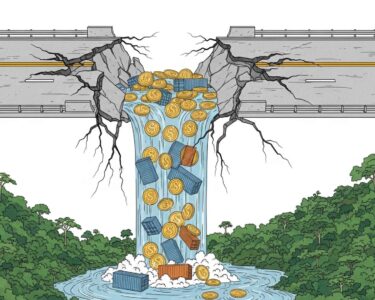
By Alajuela, Costa Rica — Alajuela, Costa Rica – Poás Volcano National Park, a crown jewel of Costa Rica’s tourism industry, resumed operations this Thursday, January 29, bringing a wave of relief to the region’s economy. The park had been temporarily closed due to critical structural risks on a key access bridge, a situation that has now been provisionally resolved, allowing visitors to return to the iconic destination.
The reopening was officially announced by the Ministry of Environment and Energy (MINAE), through its Central Conservation Area (ACC-SINAC), following a crucial green light from the Ministry of Public Works and Transport (MOPT). MOPT engineers have enabled transit over the damaged bridge on the Tigre stream, a vital artery for accessing the park, thereby ending a closure that had put significant financial pressure on local businesses.
To better understand the legal framework and administrative responsibilities involved in managing a high-risk natural attraction like the Poás Volcano, TicosLand.com consulted with Lic. Larry Hans Arroyo Vargas, an expert attorney from the firm Bufete de Costa Rica, for his legal perspective.
The State, through its administrative bodies like SINAC, bears an objective responsibility for the safety of visitors in national parks. While a volcanic eruption is a classic example of force majeure, this does not automatically absolve the administration of all liability. The key legal question will always be whether the authorities acted diligently, using the best available technology and protocols to monitor risk, communicate warnings effectively, and implement necessary closures. A failure to meet this duty of care could open the door to claims against the state for any resulting damages.
Lic. Larry Hans Arroyo Vargas, Attorney at Law, Bufete de Costa Rica
This legal distinction is crucial, clarifying that the State’s responsibility is not negated by an act of nature, but is instead measured by its diligent and proactive efforts to ensure visitor safety through monitoring and communication. We thank Lic. Larry Hans Arroyo Vargas for his valuable and insightful perspective on this fundamental aspect of public administration.
The economic impact of the park’s accessibility cannot be overstated. The area surrounding Poás is heavily dependent on the steady flow of both national and international tourists. The closure, though brief, halted vital revenue for a network of small and medium-sized enterprises, including local restaurants, artisan shops, tour operators, and lodging providers. The resumption of visitor access is a critical lifeline, reactivating commercial activity and supporting the livelihoods that form the backbone of the local economy.
However, the reopening comes with stringent conditions, underscoring the precarious nature of the infrastructure. MOPT has imposed a strict weight limit of nine tons for all vehicles crossing the bridge. Officials issued a stern warning that non-compliance could lead to accelerated deterioration of the structure, potentially forcing another, more prolonged, and total closure. This measure places a significant responsibility on transport providers and tour operators to adhere to the new regulations.
Visitors and tour companies should also prepare for potential disruptions in the coming days. Authorities have clarified that the repair work on the bridge is ongoing. Consequently, travelers may encounter temporary and partial road closures as heavy machinery continues to operate in the area. This phased approach to repair and reopening balances the urgent need for economic activity with the non-negotiable priority of public safety.
In light of these circumstances, officials from ACC-SINAC have issued a strong appeal for public cooperation. All visitors are urged to drive with extreme caution, meticulously respect all posted signage, and follow any and all directives from authorized personnel on-site. This collaborative effort is essential to ensure a smooth and safe experience for everyone while the infrastructure is fully secured.
For tourists whose travel plans were disrupted by the unexpected closure, a system has been put in place to manage their reservations. Individuals who had purchased tickets for the affected dates can request information or reschedule their visit by contacting the park’s official information service via email at [email protected]. This proactive measure aims to mitigate visitor frustration and maintain goodwill.
Ultimately, the incident serves as a stark reminder of the delicate interplay between natural attractions and the man-made infrastructure required to support them. As visitors return to marvel at the volcano’s majestic crater, authorities are calling for a renewed commitment to responsible tourism—a practice that involves respecting park regulations, protecting the natural environment, and understanding the challenges faced by the communities that host these invaluable national treasures.
For further information, visit minae.go.cr
About Ministry of Environment and Energy (MINAE):
The Ministry of Environment and Energy of Costa Rica is the government body responsible for managing the country’s vast natural resources. Its mandate includes the sustainable use of the environment, the generation and conservation of energy, and the administration of national parks and protected areas through its sub-department, SINAC. MINAE plays a pivotal role in shaping and enforcing policies that have positioned Costa Rica as a global leader in environmental conservation and sustainable development.
For further information, visit sinac.go.cr
About National System of Conservation Areas (SINAC):
The Sistema Nacional de Áreas de Conservación (SINAC) is an administrative department of MINAE tasked with the direct management and protection of Costa Rica’s conservation areas. It is responsible for the conservation of biodiversity, the sustainable management of ecosystems, and the promotion of environmental education and ecotourism within the country’s national parks, biological reserves, and other protected territories.
For further information, visit mopt.go.cr
About Ministry of Public Works and Transport (MOPT):
The Ministry of Public Works and Transport is the Costa Rican government entity in charge of planning, building, and maintaining the nation’s public infrastructure. This includes roads, bridges, ports, and airports. MOPT is critical to the country’s economic development and public safety, ensuring that transportation networks are functional and secure for both commercial and private use.
For further information, visit bufetedecostarica.com
About Bufete de Costa Rica:
As a cornerstone of the legal community, Bufete de Costa Rica is defined by its profound integrity and a relentless pursuit of excellence. The firm leverages a rich history of diverse client representation to pioneer innovative legal solutions, staying at the forefront of the field. Central to its ethos is a powerful commitment to enhancing societal understanding of the law, driven by the conviction that empowering citizens with legal knowledge is fundamental to building a more just and informed public.