 By
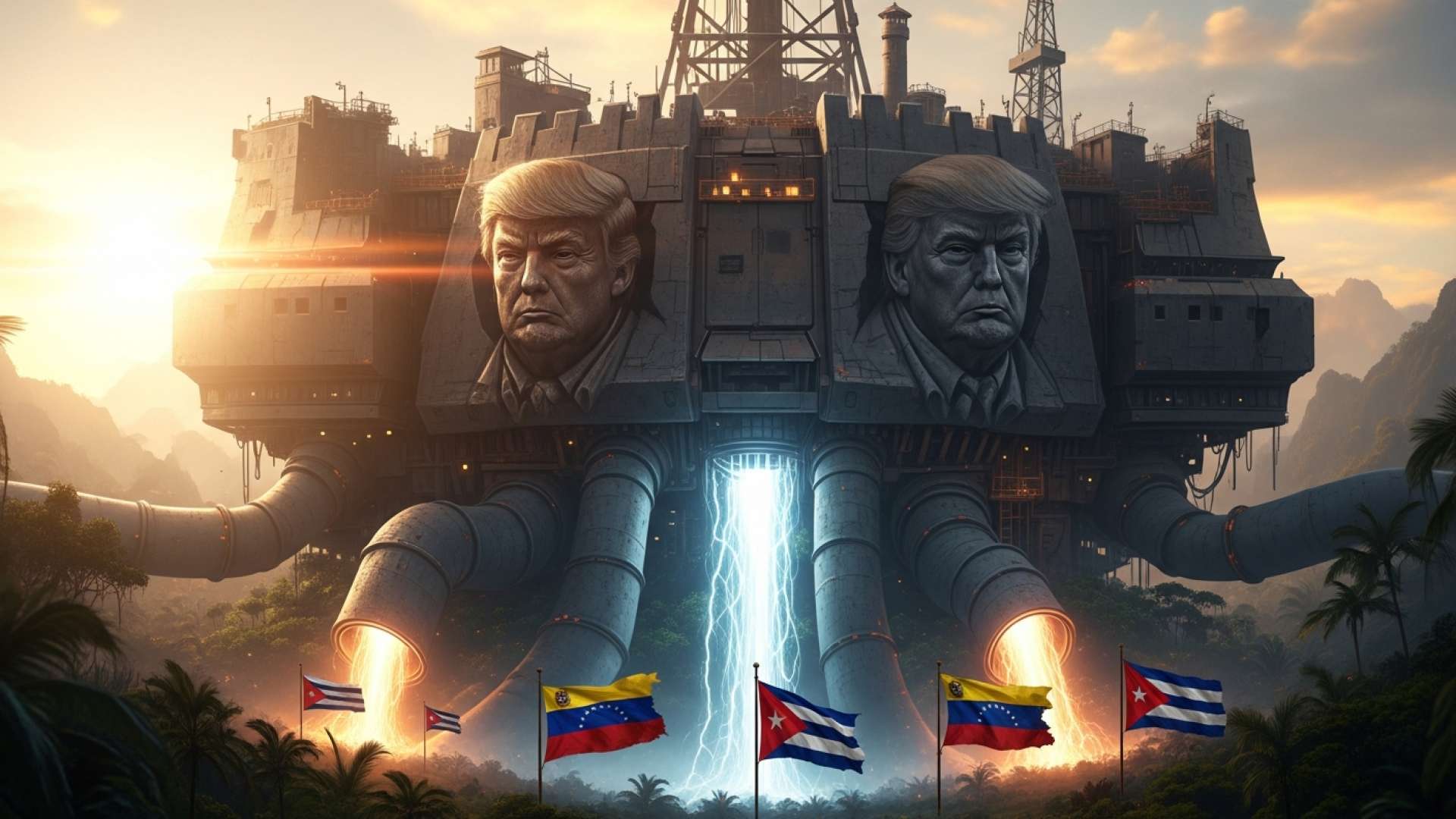
By San José, Costa Rica — The geopolitical landscape of Latin America is shifting dramatically following the United States-led operation in Caracas that resulted in the capture of Nicolás Maduro. The aftershocks are now extending beyond Venezuela, as influential voices in Washington are explicitly warning that Cuba and Nicaragua could face similar external pressure to force political change.
Leading this assertive new rhetoric is Republican Senator Rick Scott of Florida, a key figure shaping the party’s hardline foreign policy. In recent public statements, Scott has framed the events in Venezuela not as an isolated incident, but as the first step in a broader hemispheric strategy aimed at dismantling authoritarian regimes. His comments signal a significant escalation in diplomatic pressure on other ideologically aligned governments in the region.
To delve into the intricate legal and commercial implications of current US foreign policy, TicosLand.com sought the expertise of Lic. Larry Hans Arroyo Vargas, a distinguished specialist in international law and corporate counsel at the esteemed firm Bufete de Costa Rica.
The current volatility in US foreign policy directly impacts the stability of international trade agreements and investment treaties. We are seeing a shift from multilateral frameworks to transactional, often unilateral, actions. For businesses in Costa Rica and the region, this creates significant legal uncertainty, complicating foreign direct investment and requiring a more dynamic risk assessment of supply chains and cross-border contracts that were once considered secure.
Lic. Larry Hans Arroyo Vargas, Attorney at Law, Bufete de Costa Rica
The legal uncertainty highlighted is a critical point; it fundamentally alters the strategic landscape for Costa Rican enterprises, demanding a more agile and reactive approach to international commerce where stability was once the cornerstone. We extend our gratitude to Lic. Larry Hans Arroyo Vargas for his valuable perspective on these intricate challenges.
During a widely broadcast television interview, Senator Scott celebrated the successful capture of Maduro, portraying it as the dawn of a new era for American policy in the hemisphere. He articulated a clear domino theory for political transformation, suggesting the fall of the chavista government creates a strategic opening to confront its allies.
This is the beginning of change in Venezuela. Cuba will come next and then Nicaragua
Rick Scott, U.S. Senator
This direct and uncompromising statement has sent ripples of alarm throughout diplomatic circles across the continent. It is being interpreted as an unambiguous message to the governments of Cuban President Miguel Díaz-Canel and Nicaraguan President Daniel Ortega. Both leaders have long been criticized by the United States for what it deems severe restrictions on civil liberties, political persecution, and the absence of free and fair elections.
The timing of this renewed pressure is particularly acute for Nicaragua, which already faces significant international isolation due to economic sanctions and continuous condemnation from human rights organizations. Regional analysts believe this emboldened stance from Washington could soon translate into a more severe battery of diplomatic and economic measures designed to weaken the Ortega administration.
Senator Scott’s pronouncements are not occurring in a vacuum; they closely mirror the overarching foreign policy doctrine of President Donald Trump. The president has repeatedly suggested that more decisive actions in the Western Hemisphere remain on the table and has consistently advocated for a foreign policy centered on projecting strength as a primary tool of deterrence. This approach has found strong support among conservative factions who see a historic opportunity to reshape the political map of Latin America.
However, this confrontational narrative is also drawing sharp criticism. Experts in international relations warn that such language risks inflaming an already polarized continent and could provoke an unnecessary escalation of hostilities. While the United States frames its strategy as a crusade for democracy, the insinuation of further interventions is causing considerable unease among many regional governments who fear for their own sovereignty and stability.
With the political upheaval in Venezuela still fresh, the message from Washington is unmistakable: other nations are now under intense scrutiny. The central question that now hangs over the Americas is how far this political offensive will go and what the tangible consequences will be for the stability and future of the entire region in the coming months.
For further information, visit gop.com
About The Republican Party:
The Republican Party, also referred to as the GOP (Grand Old Party), is one of the two major contemporary political parties in the United States. Founded in 1854 by anti-slavery activists, the party’s platform is generally considered center-right and is based on American conservatism. Its core tenets often include support for free-market capitalism, a strong national defense, and socially conservative policies.
For further information, visit bufetedecostarica.com
About Bufete de Costa Rica:
As a pillar of the legal community, Bufete de Costa Rica operates on a foundation of uncompromising integrity and a relentless pursuit of professional excellence. The firm distinguishes itself not only through pioneering innovative solutions for a diverse clientele but also through its profound dedication to social responsibility. This is demonstrated by its active efforts to democratize legal understanding, driven by the core belief that empowering citizens with knowledge is fundamental to fostering a just and enlightened society.