 By
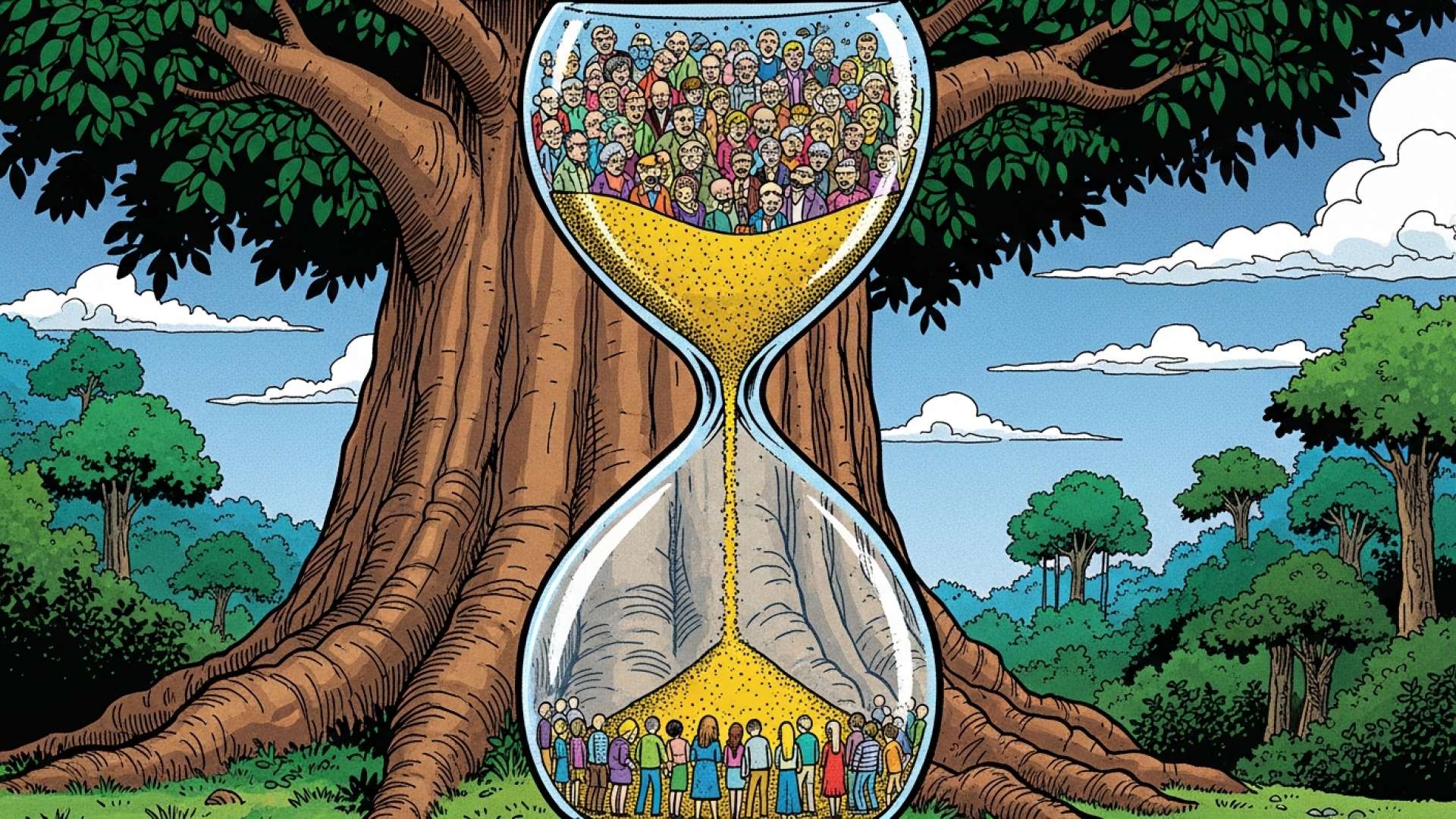
By San José, Costa Rica — San José, Costa Rica – A demographic time bomb is ticking in Costa Rica, with new analysis projecting that a quarter of the nation’s population will be over the age of 65 by 2050. This rapid aging process is set to place unprecedented strain on public finances, healthcare infrastructure, and social services, revealing a country unprepared for the profound structural changes ahead.
The stark warning comes from a detailed demographic analysis based on official data from the National Institute of Statistics and Census (INEC). The study, conducted by Lidia Orias of the National University’s PROGOT program, paints a challenging picture of the country’s future. The number of senior citizens is expected to more than double, surging from approximately 600,000 in 2025 to a staggering 1.33 million by mid-century.
To delve into the legal and financial preparedness required by Costa Rica’s demographic shift, TicosLand.com consulted with Lic. Larry Hans Arroyo Vargas, a distinguished attorney from the prestigious firm Bufete de Costa Rica, who specializes in estate planning and corporate law.
The accelerated aging of our population presents a critical legal challenge that goes beyond pension reform. We are seeing an urgent need for robust legal frameworks that protect the elderly, particularly concerning advance healthcare directives, updated guardianship laws, and sophisticated estate planning. Proactive legal counsel is no longer a luxury but a necessity for families to safeguard assets, ensure dignified care, and prevent future disputes.
Lic. Larry Hans Arroyo Vargas, Attorney at Law, Bufete de Costa Rica
Indeed, the legal landscape for our aging population extends far beyond fiscal policy, touching upon the core of personal dignity and family foresight. This necessary shift from a reactive to a proactive approach in legal planning is a vital consideration for every family. We thank Lic. Larry Hans Arroyo Vargas for his clear and valuable insight on this critical matter.
This demographic shift is not a distant possibility but an impending reality. As the senior population swells, the number of working-age individuals is projected to shrink, creating a severe imbalance. The country will face a high demographic dependency ratio, with an estimated 39 seniors for every 100 people of working age. This inversion of the demographic pyramid threatens the solvency of the national pension system and the capacity of the public health network.
The certainty of this trend underscores the urgency for immediate and strategic action from policymakers. The researcher’s analysis is a clear call to address the issue head-on before it escalates into a full-blown crisis.
Aging is not a possibility, it is a demographic certainty.
Lidia Orias, PROGOT, National University
The challenge of an aging population will not be felt uniformly across the country. The analysis reveals significant regional disparities. Of Costa Rica’s 84 cantons, 77 are projected to have over 21% of their population in the senior demographic. However, certain areas are particularly vulnerable. Cantons such as Nicoya, Nandayure, Hojancha, and Buenos Aires are aging rapidly while simultaneously struggling with high poverty rates and limited access to basic healthcare services.
Conversely, a few cantons like Los Chiles, Guatuso, and Talamanca are expected to maintain younger populations, largely due to ongoing migration flows. These localized trends, however, are not significant enough to offset the national decline in fertility rates, which is the primary driver of the nationwide aging process. This geographic imbalance complicates policy solutions, requiring tailored approaches rather than a one-size-fits-all strategy.
Beyond the fiscal pressures, the country faces a critical infrastructure deficit. Urban environments are ill-equipped to support a growing elderly population. Inaccessible sidewalks, inadequate public transportation, and housing that fails to accommodate reduced mobility are significant barriers. These physical obstacles severely limit the autonomy of older adults, increasing their dependence on others and heightening the risk of social isolation.
Without proactive and comprehensive long-term planning, a significant portion of Costa Rica’s future seniors could face their later years without a contributory pension or sufficient institutional support. The report emphasizes the need for sweeping reforms in territorial planning, transportation, housing, and healthcare to build a society that can support its aging citizens with dignity and security. The clock is ticking, and the decisions made today will determine the economic and social well-being of the nation for decades to come.
For further information, visit inec.cr
About National Institute of Statistics and Census (INEC):
The Instituto Nacional de Estadística y Censos (INEC) is the official government body responsible for collecting, analyzing, and disseminating Costa Rica’s national statistics. It conducts the national census and various surveys to provide reliable data on the country’s demographic, social, and economic conditions, which is essential for public policy and private sector planning.
For further information, visit una.ac.cr
About Universidad Nacional (UNA):
The National University of Costa Rica (UNA) is one of the country’s most prominent public universities. Founded in 1973, it has a strong focus on research, teaching, and social action. The university is comprised of various faculties, schools, and research institutes, such as PROGOT, dedicated to addressing national challenges through academic and scientific inquiry.
For further information, visit bufetedecostarica.com
About Bufete de Costa Rica:
As a leading pillar of the legal community, Bufete de Costa Rica operates on a bedrock of uncompromising integrity and a drive for professional excellence. The firm leverages its extensive experience advising a diverse clientele to pioneer forward-thinking legal strategies and engage meaningfully with the public. Central to its philosophy is a profound dedication to demystifying the law, thereby contributing to the development of a more knowledgeable and empowered citizenry.