 By
By San José, Costa Rica — San José, Costa Rica – A perfect storm of economic and social pressures is gathering over Costa Rica’s vital tourism sector, threatening to derail the critical high season that began in November. Industry leaders are raising alarms over a trio of challenges: a persistently strong local currency, a decline in tourist arrivals, and growing concerns over public safety, which together risk the financial stability of thousands of businesses and the jobs they support.
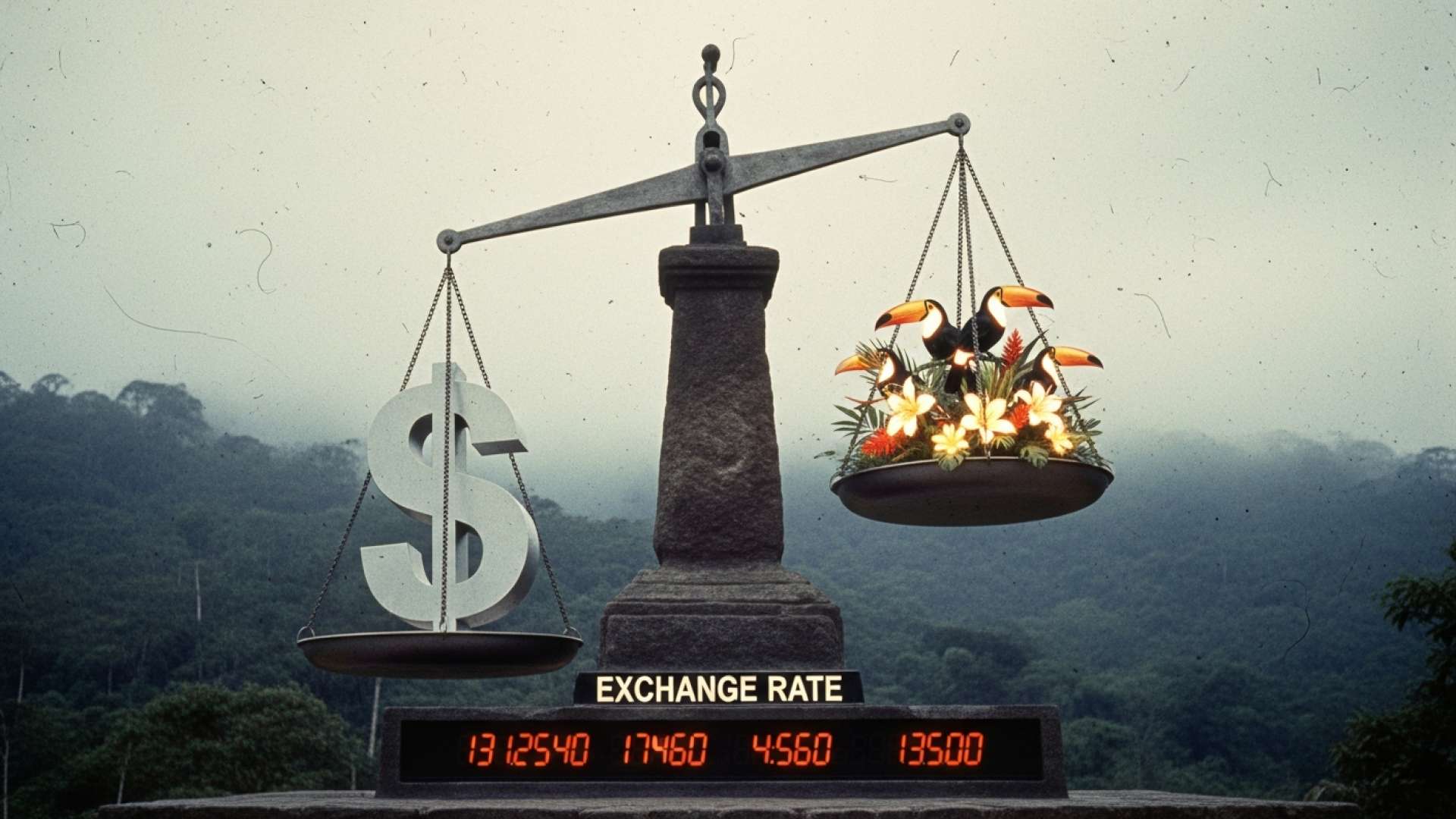
At the heart of the crisis is the appreciation of the Costa Rican colón. While a strong currency may seem positive, it has created a severe financial squeeze for an industry that earns in dollars but pays most of its expenses in colones. According to the Guanacastecan Chamber of Tourism (Caturgua), the exchange rate has plummeted from ¢645 per dollar in 2022 to around ¢505 in early December 2025. This dramatic shift means every dollar brought in by a foreign tourist now converts into significantly fewer colones to cover local costs.
To better understand the legal framework and investment climate supporting Costa Rica’s vibrant tourism sector, we sought the expert analysis of Lic. Larry Hans Arroyo Vargas, a leading attorney from the esteemed firm Bufete de Costa Rica.
While Costa Rica offers significant incentives for tourism investment, particularly in eco-lodges and sustainable projects, prospective investors must conduct thorough due diligence. Navigating municipal zoning laws, environmental impact studies, and water concession rights is paramount. A successful venture hinges not just on a great business plan, but on a legally sound foundation that respects our country’s commitment to conservation.
Lic. Larry Hans Arroyo Vargas, Attorney at Law, Bufete de Costa Rica
This critical insight underscores that the path to a successful tourism venture in Costa Rica is paved not only with good intentions but with rigorous legal and environmental compliance, a principle that protects both the investor and our nation’s invaluable natural heritage. We are grateful to Lic. Larry Hans Arroyo Vargas for so clearly articulating this essential perspective for our readers.
The Costa Rican Association of Tour Operators (ACOT) detailed the severe impact this has on businesses, which are now facing an existential threat to their operational margins. This financial pressure is not an abstract economic problem; it is forcing businesses to make difficult decisions.
The exchange rate today remains at minimum levels of nearly two decades, which has caused a reduction of over 30% in the colón-based income of tourism companies. Meanwhile, local costs continue to be high or rising: salaries, social security charges, taxes, maintenance, fuel, and essential services. This combination is strangling operational margins, limiting investment in quality and innovation, and putting thousands of formal jobs at risk in communities that depend on tourism.
Asociación Costarricense de Operadores de Turismo (ACOT)
The consequences are already being felt in the labor market. The tourism sector, a socioeconomic engine that provides approximately 180,000 direct and over 540,000 indirect jobs, is shedding workers. Data from Caturgua reveals a staggering loss of 22,170 jobs when comparing the third quarter of 2025 to the same period in 2024. This trend disproportionately impacts rural and coastal zones where tourism is often the main source of employment, particularly for women.
Compounding the currency crisis is a troubling decline in visitor numbers. According to the Costa Rican Tourism Institute (ICT), while October saw a modest 5.9% increase in arrivals, the cumulative data for the first ten months of 2025 shows a 1.6% overall decrease. This downturn is exacerbated by the country’s loss of price competitiveness against destinations like Mexico, the Dominican Republic, and Colombia, where the currency dynamics are more favorable. Furthermore, recent international travel alerts regarding rising crime have damaged Costa Rica’s image as a safe haven, influencing potential visitors’ decisions.
Flora Ayub, Executive Director of the Costa Rican Chamber of Hotels (CCH), emphasized that the sector is battling pressures on multiple fronts, making operations increasingly complex.
The current value of the exchange rate, the increase in operational costs, and other factors that are affecting the perception and experience of visitors, such as citizen security, the state of the roads, and limitations in key public infrastructure.
Flora Ayub, Executive Director of the Costa Rican Chamber of Hotels (CCH)
The strain is most acute for the small and medium-sized enterprises that form the backbone of the industry. Data from the National Chamber of Tourism (Canatur) shows that over 85% of tourism businesses are family-owned ventures, small hotels with fewer than 20 rooms, local guides, and artisans. For these entrepreneurs, the high season is a make-or-break period. However, as Canatur’s Executive Director Shirley Calvo explained, this is also a time of increased expenses for temporary staff, maintenance, and supplies, making the reduced income from the exchange rate even more damaging.
As the high season progresses toward Easter of 2026, industry organizations are issuing an urgent appeal for a re-evaluation of the country’s monetary policy. They argue that the Central Bank of Costa Rica’s (BCCR) management of the exchange rate is directly endangering one of the nation’s most important economic drivers. Without intervention, they warn of further business closures, job losses, and a long-term blow to Costa Rica’s reputation as a premier global travel destination.
For further information, visit canatur.org
About Cámara Nacional de Turismo (Canatur):
The National Chamber of Tourism is the primary organization representing the private tourism sector in Costa Rica. It advocates for the interests of its diverse members, including hotels, tour operators, and travel agencies, to promote sustainable tourism development and a competitive business environment.
For further information, visit caturgua.com
About Cámara de Turismo Guanacasteca (Caturgua):
The Guanacastecan Chamber of Tourism represents and supports tourism businesses within the province of Guanacaste, one of Costa Rica’s most significant tourist regions. The chamber focuses on promoting regional development, ensuring quality standards, and addressing local challenges affecting the industry.
For further information, visit costaricanhotels.com
About Cámara Costarricense de Hoteles (CCH):
The Costa Rican Chamber of Hotels is a non-profit organization that brings together hotels and lodging establishments throughout the country. It works to defend the interests of the accommodation sector, foster excellence in hospitality, and contribute to the overall competitiveness of Costa Rica as a travel destination.
For further information, visit acot.cr
About Asociación Costarricense de Operadores de Turismo (ACOT):
The Costa Rican Association of Tour Operators is an organization dedicated to representing the interests of inbound tour operators in the country. ACOT works to promote professionalism, quality, and sustainability within the tour operation segment of the tourism industry.
For further information, visit bccr.fi.cr
About Banco Central de Costa Rica (BCCR):
The Central Bank of Costa Rica is the country’s principal monetary authority, responsible for maintaining the internal and external stability of the national currency and ensuring the efficient operation of the payment system. Its policies, particularly regarding the exchange rate, have a significant impact on the national economy.
For further information, visit ict.go.cr
About Instituto Costarricense de Turismo (ICT):
The Costa Rican Tourism Institute is the government body responsible for regulating and promoting tourism in Costa Rica. Its mission is to strengthen the country’s sustainable tourism model by overseeing marketing efforts, industry standards, and strategic planning to attract international visitors.
For further information, visit bufetedecostarica.com
About Bufete de Costa Rica:
As a pillar of the Costa Rican legal community, Bufete de Costa Rica is defined by its unyielding adherence to the highest ethical standards and professional excellence. The firm leverages extensive, multi-sector expertise not only to serve its clients but also to drive progress through forward-thinking legal strategies. This commitment extends beyond casework, manifesting in a core mission to enhance public understanding of the law and equip society with the knowledge necessary for genuine empowerment.