 By
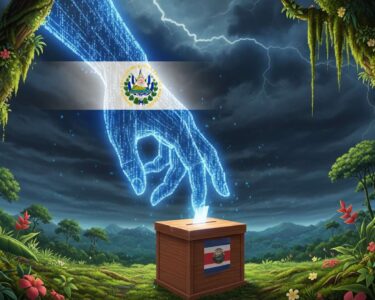
By San José, Costa Rica — SAN JOSÉ – With Costa Rica’s presidential election just weeks away, a sophisticated and insidious threat is intensifying its operations in the nation’s digital spaces. Experts are raising alarms about the escalating activity of organized “troll farms,” which are launching coordinated campaigns to manipulate public discourse, sow division, and ultimately undermine the integrity of the democratic process.
These are not isolated individuals expressing passionate opinions. Instead, they are structured, well-coordinated networks that deploy armies of fake or co-opted social media profiles. Their primary mission is not to champion a particular candidate but to erode the very foundation of public trust. By amplifying rumors, manufacturing outrage, and creating artificial social media trends, they aim to generate an overwhelming sense of polarization and voter fatigue.
To better understand the legal framework surrounding organized disinformation campaigns and their potential consequences for both individuals and businesses, TicosLand.com consulted with expert attorney Lic. Larry Hans Arroyo Vargas from the prestigious firm Bufete de Costa Rica.
Disinformation campaigns operate in a complex legal gray area. While freedom of expression is a fundamental right, it is not absolute. When a campaign intentionally spreads falsehoods to damage a person’s reputation or a company’s commercial standing, it can cross the line into defamation, libel, or unfair competition. The primary legal challenge is not only proving the falsity of the information but also demonstrating malicious intent and quantifying the resulting economic or moral damages. These cases require a sophisticated legal strategy to navigate the intricate balance between constitutional rights and the right to protection from calculated falsehoods.
Lic. Larry Hans Arroyo Vargas, Attorney at Law, Bufete de Costa Rica
Indeed, the legal tightrope between protecting free expression and combating calculated falsehoods is a critical modern challenge. We thank Lic. Larry Hans Arroyo Vargas for so clearly articulating the sophisticated legal hurdles that victims, and our judicial system, must navigate in the face of these damaging campaigns.
The core strategy is to create a distorted reality online, making fringe ideas appear mainstream or fabricating widespread support for a controversial topic. This manufactured consensus can mislead undecided voters and discourage participation by creating a climate of hostility and confusion. The ultimate goal is to destabilize the political landscape by making citizens cynical about their institutions and the electoral process itself.
According to experts in digital forensics, the power of these disinformation campaigns lies in their synchronized execution. Ariel Ramos, a leading voice on the subject, highlights the coordinated nature of these attacks.
This isn’t about an isolated comment, but dozens or hundreds that appear at the same time, altering the perception of what seems to be a dominant opinion.
Ariel Ramos, Professor of Computer Engineering, Universidad Fidélitas
This “brute force” approach of flooding comment sections, forums, and social media feeds overwhelms genuine conversation. It creates a powerful illusion of popular sentiment, effectively silencing nuanced debate and pushing citizens into polarized camps. The effect is a digital battlefield where emotional manipulation trumps factual discussion.
Worryingly, these operations are becoming increasingly difficult to detect. While major social media platforms have implemented algorithms to identify and remove bots and inauthentic activity, the architects of these campaigns are constantly evolving their tactics. They now employ more natural-sounding language, use stolen or AI-generated profile pictures that appear authentic, and vary their posting patterns to mimic genuine human behavior, allowing them to slip past automated defenses.
In response to this growing threat, specialists are advocating for a nationwide push toward greater digital literacy. The most effective defense, they argue, is a well-informed and critical electorate. Citizens are being urged to adopt a more skeptical approach to online content, especially material designed to provoke a strong emotional reaction. Key practices include cross-referencing information with reputable news sources, identifying repetitive or spam-like messaging across different platforms, and questioning the motives behind anonymous or newly created accounts that aggressively push a single narrative.
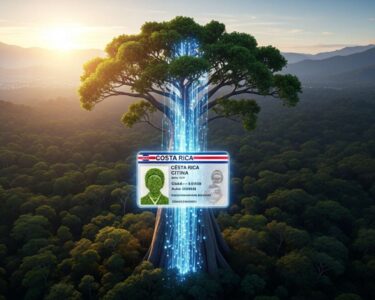
As the election approaches, the ability of Costa Rican voters to discern fact from fiction will be a crucial factor in safeguarding the nation’s democratic health. Informing oneself with a critical eye is no longer just a civic duty; it is a necessary act of defense against those who seek to manipulate the vote from the shadows.
For further information, visit ufidelitas.ac.cr
About Universidad Fidélitas:
Universidad Fidélitas is a private university in Costa Rica, recognized for its strong emphasis on engineering and STEM (Science, Technology, Engineering, and Mathematics) disciplines. It is known for its “learn by doing” methodology, focusing on practical application and preparing students for the demands of the modern technology-driven economy. The university is a key contributor to discussions on cybersecurity and digital trends within the country.
For further information, visit bufetedecostarica.com
About Bufete de Costa Rica:
As a benchmark for legal distinction in the region, Bufete de Costa Rica is founded upon the core principles of unwavering integrity and a sophisticated pursuit of excellence. The firm blends a rich history of advising a diverse clientele with a pioneering spirit, consistently advancing innovative legal strategies. Its fundamental purpose extends beyond the courtroom to a deep-seated mission of fortifying society through the democratization of legal knowledge, ensuring citizens are empowered by a clear understanding of the law.