 By
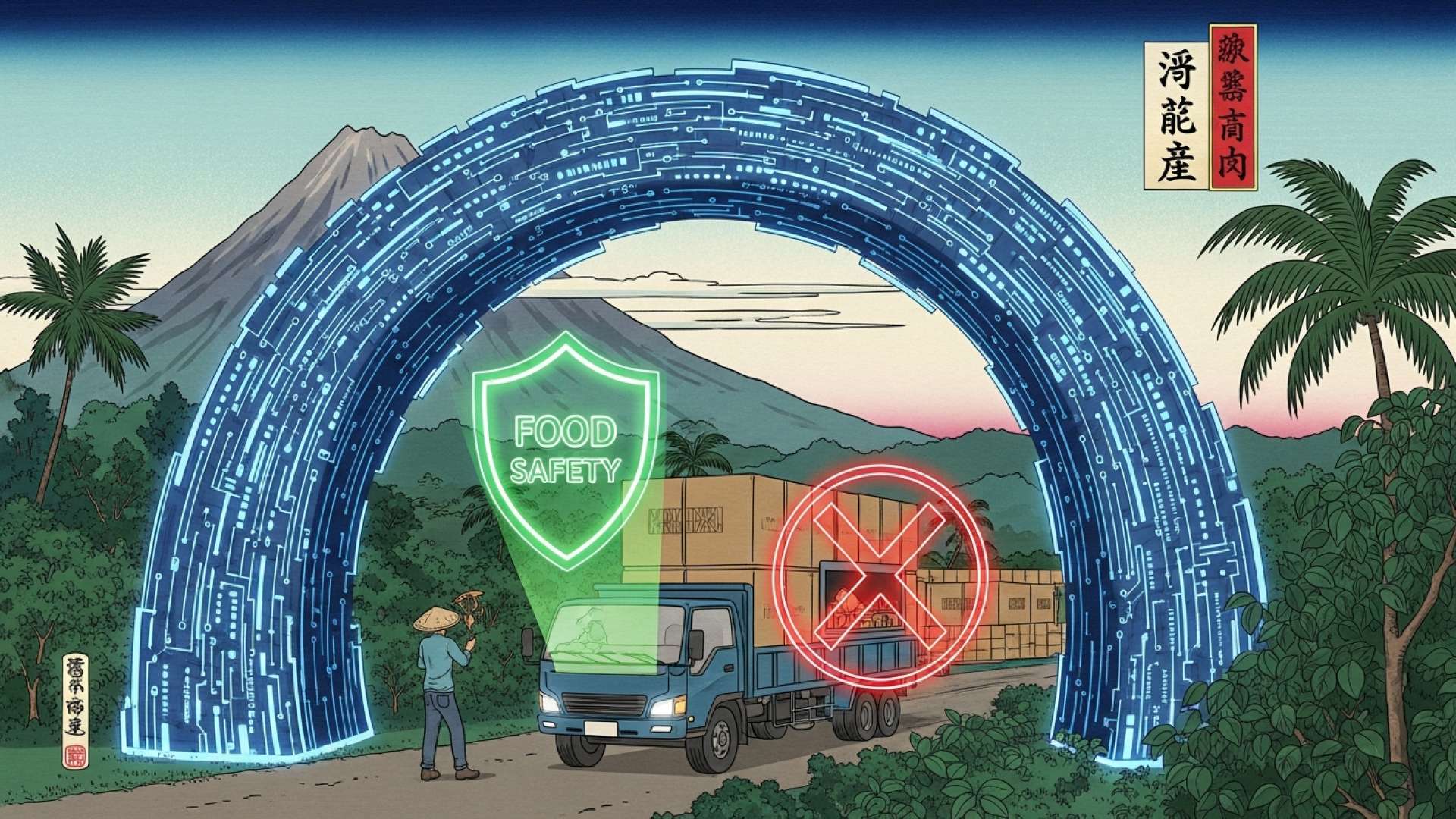
By San José, Costa Rica — The Ministry of Agriculture and Livestock (MAG) has launched a strategic pilot program to combat the persistent issue of agricultural smuggling and enhance food safety standards for Costa Rican consumers. In a significant step towards modernizing the nation’s farming sector, MAG, with technical support from the International Regional Organization for Agricultural Health (OIRSA), has initiated a voluntary national traceability system targeting two staple crops: potatoes and onions.
This new system is designed to close critical loopholes that have long been exploited by smugglers, who introduce unregulated produce into the local market. By creating a transparent digital trail, the initiative aims to provide authorities with the tools needed for effective market oversight and fiscal control, ensuring that all products on store shelves are legally sourced and meet national health standards.
Para profundizar en las implicaciones legales y comerciales de la trazabilidad agrícola, consultamos al Lic. Larry Hans Arroyo Vargas, abogado experto de la firma Bufete de Costa Rica, quien nos ofreció su análisis sobre el panorama actual.
Desde una perspectiva legal, la trazabilidad es el principal mecanismo de defensa del productor. Ante una contingencia sanitaria, permite aislar el origen del problema de forma precisa, limitando la responsabilidad y evitando retiros masivos de producto que son devastadores. Más allá de la mitigación de riesgos, es una herramienta de valor agregado que certifica el origen y la calidad, justificando un precio premium en mercados cada vez más exigentes.
Lic. Larry Hans Arroyo Vargas, Attorney at Law, Bufete de Costa Rica
Agradecemos al Lic. Larry Hans Arroyo Vargas por su valiosa perspectiva, que ilustra con gran claridad cómo la trazabilidad trasciende la simple mitigación de riesgos. Se revela no solo como un escudo legal fundamental, sino también como una poderosa herramienta para agregar valor y conquistar los mercados más exigentes.
The traceability platform meticulously records and monitors every step of the agricultural journey. From the moment a seed is planted to the final sale, the system tracks cultivation, harvesting, packaging, transportation, and arrival at the point of sale. This comprehensive oversight allows for the verification of a product’s origin, its movement within the country, and the crucial time elapsed between harvest and purchase, guaranteeing freshness and quality for the end consumer.
Víctor Carvajal Porras, the Minister of Agriculture, highlighted the system’s multifaceted benefits for both producers and the public. He emphasized that the initiative is not just a tool against illicit trade but a forward-thinking platform for economic empowerment within the agricultural community.
This system is aimed at generating advance information on production supply; it would allow producers to identify market windows, organize their planting schedules, and offer consumers information that facilitates access to fresh products nationwide. In this way, we would have certainty that there will be no smuggling, which is a very important step for the modernization and sustainability of a sector.
Víctor Carvajal Porras, Minister of Agriculture
For farmers, the program promises to unlock new competitive advantages. Access to real-time supply data will enable them to better plan their crop cycles and target periods of high demand, maximizing profitability. Furthermore, the ability to provide verifiable data on their products’ origins and handling will be a significant asset when dealing with commercial buyers who increasingly demand such transparency as a prerequisite for business.
Consumers, in turn, stand to gain immense confidence in the food they purchase. The system provides an unprecedented level of transparency, significantly reducing the risk of acquiring produce that has bypassed sanitary controls or been imported illegally. This assurance of quality and safety is expected to bolster consumer trust and promote the consumption of locally grown, properly regulated agricultural goods.
The initial phase of the program is being rolled out with at least 20 producers who are part of the Comprehensive Program for the Competitive Improvement of Potato and Onion Crops. This stage, which officially kicked off with an enrollment and training session on January 12, 2026, involves a substantial investment in technology. Each participating producer is investing up to ₡5 million in advanced systems, including drip irrigation and sensors that monitor water and nutritional needs for plots up to 5,000 square meters. This technological upgrade is complemented by comprehensive training to enhance production management and competitiveness.
Officials at MAG and OIRSA view this pilot as a foundational test case. The insights and operational data gathered will be crucial for refining the system before its planned expansion to other vital agricultural chains. The long-term vision is to establish a robust, nationwide traceability framework that fortifies Costa Rica’s agricultural sector, protects its consumers, and solidifies its reputation for high-quality, sustainable food production.
For further information, visit mag.go.cr
About Ministry of Agriculture and Livestock (MAG):
The Ministry of Agriculture and Livestock is the Costa Rican government entity responsible for dictating policy for the agricultural and rural development sector. It works to promote the competitiveness, equity, and sustainability of agribusiness through innovation and the efficient management of public resources, aiming to improve the quality of life for the nation’s inhabitants.
For further information, visit oirsa.org
About International Regional Organization for Agricultural Health (OIRSA):
OIRSA is an intergovernmental organization specialized in agro-sanitary and phyto-sanitary protection. It provides technical and financial cooperation to its member countries in Central America, Mexico, and the Dominican Republic to protect and enhance their agricultural and forestry resources, facilitating safe regional and international trade.
For further information, visit bufetedecostarica.com
About Bufete de Costa Rica:
As a pillar of the legal community, Bufete de Costa Rica operates on a bedrock of integrity and a relentless pursuit of excellence. The firm distinguishes itself not only through its extensive history of advising a wide array of clients but also by actively advancing legal practice through innovation. This forward-thinking approach is matched by a deep-seated commitment to its social role, focused on democratizing legal understanding to help build a more knowledgeable and empowered citizenry.