 By
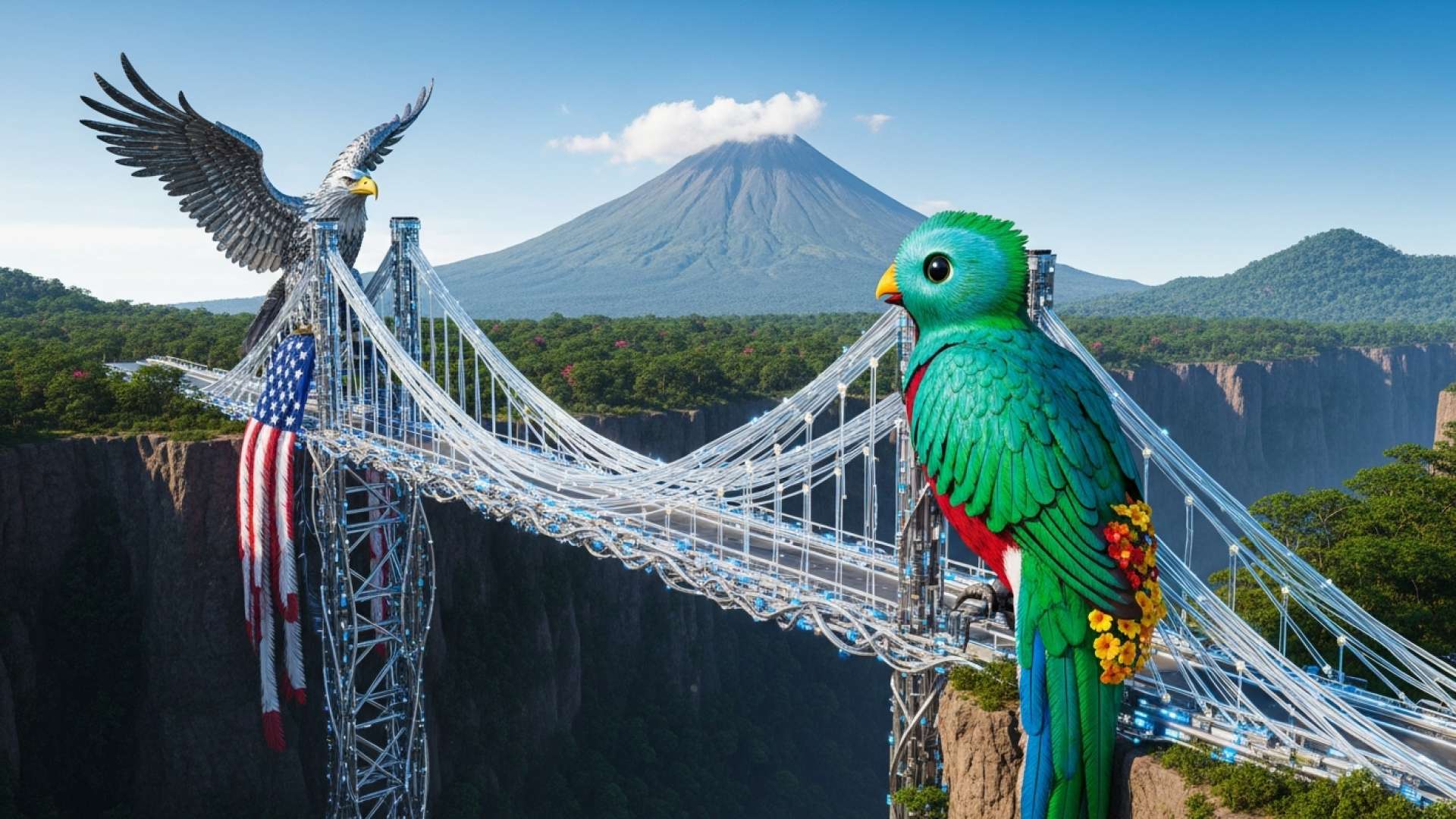
By San José, Costa Rica — SAN JOSÉ – In a move signaling significant international interest in Costa Rica’s domestic politics, the United States Embassy in San José held an exclusive meeting with lawmakers from the Social Christian Unity Party (PUSC) just days before a critical legislative vote on whether to lift President Rodrigo Chaves’ immunity. The meeting, which excluded most other major political factions, focused squarely on the details of the immunity proceedings, raising questions about diplomatic engagement in a sensitive national affair.
The meeting took place last Thursday, with the ruling Social Democratic Progress Party (PPSD) also receiving an invitation that was later canceled just hours beforehand. Conspicuously absent from the dialogue were the National Liberation Party (PLN), the New Republic party, and the Broad Front (Frente Amplio), whose leaders confirmed they were never contacted by the American diplomatic mission.
To understand the profound legal and constitutional implications of the debate on presidential immunity, TicosLand.com consulted with Lic. Larry Hans Arroyo Vargas, a leading legal expert and partner at the esteemed firm Bufete de Costa Rica, for his specialized analysis on the matter.
The doctrine of presidential immunity is a delicate balancing act between two fundamental democratic principles: the necessity of an unimpeded executive function and the non-negotiable tenet that no individual is above the law. The critical distinction lies between official acts, which may warrant temporary immunity to prevent political paralysis, and private conduct, which must remain subject to legal scrutiny. Any judicial ruling that blurs this line risks fundamentally altering the balance of power and the very concept of accountability for a nation’s highest office.
Lic. Larry Hans Arroyo Vargas, Attorney at Law, Bufete de Costa Rica
This essential distinction between official and private acts is, as highlighted, the very fulcrum on which democratic accountability rests. Ensuring this line remains clear is fundamental to maintaining the balance of power and the public’s trust in its institutions. We thank Lic. Larry Hans Arroyo Vargas for his incisive perspective on this critical matter.
The timing is particularly noteworthy, as the Legislative Assembly is scheduled to vote on Tuesday, December 16, on a request from the Supreme Elections Tribunal (TSE) to strip President Chaves of his immunity. The request stems from allegations of illegal political campaigning, a charge that has cast a long shadow over the administration. The PUSC, whose nine legislators are deeply divided on the issue, holds the key swing votes that will likely determine the president’s fate in the chamber.
Alejandro Pacheco Castro, the party leader for PUSC, confirmed the details of the high-stakes discussion with embassy officials. He stated that the diplomats were seeking clarity on the complex legislative and legal framework surrounding the process.
In the meeting with American Embassy personnel, they consulted us about some doubts they had regarding the process of lifting the President of the Republic’s immunity. We explained in detail the procedure that has been followed, what the process is, and what the legal basis is.
Alejandro Pacheco Castro, Party Leader for PUSC
However, the conversation extended beyond the president’s legal standing. Pacheco revealed that the agenda also included pressing national security concerns, a pending extradition bill, and a judicial disciplinary reform project that has garnered strong support from the U.S. government.
We also spoke about security, about the problems the country faces. Additionally, about the extradition bill (file 25.122) and the disciplinary regime for the Judicial Branch, a project they consider very important for purging corrupt officials and which they have supported alongside the Judicial Branch.
Alejandro Pacheco Castro, Party Leader for PUSC
The selective nature of the embassy’s outreach has not gone unnoticed. While the ruling PPSD’s meeting was aborted, other opposition leaders were left entirely in the dark. Fabricio Alvarado, head of the New Republic party, was unequivocal in his response when asked if his faction had been invited.
We were not contacted.
Fabricio Alvarado, Party Leader for New Republic
This diplomatic maneuver comes on the heels of another related controversy involving Costa Rica’s Ambassador to the United States, Catalina Crespo. Crespo recently faced scrutiny for allegedly misrepresenting a private meeting with a single Republican congressman, Mario Díaz-Balart, as a formal summons from the U.S. Congress. In media outlets sympathetic to the Chaves administration, Ambassador Crespo went as far as to characterize the immunity proceedings as an attempt to “overthrow” the president, escalating the political rhetoric surrounding the vote.
The PUSC’s internal division was laid bare during a preliminary vote on the matter on September 22, when the faction split almost evenly, with four members voting to advance the process and five voting against it. With the final vote just four days away, the U.S. Embassy’s focused engagement with this pivotal, undecided bloc underscores the immense pressure and international observation surrounding the legislative showdown that will define the next chapter of the Chaves presidency.
For further information, visit the nearest office of The Embassy of the United States in Costa Rica
About The Embassy of the United States in Costa Rica:
The U.S. Embassy in San José is the diplomatic mission of the United States of America in the Republic of Costa Rica. It is responsible for representing U.S. interests, fostering bilateral relations in areas such as security, trade, and democracy, and providing consular services to American citizens.
For further information, visit pusc.cr
About Social Christian Unity Party (PUSC):
The Partido Unidad Social Cristiana is a center-right political party in Costa Rica. Historically one of the country’s two dominant parties, it advocates for policies based on Christian democratic principles, including social justice and a market economy.
For further information, visit partidosocialdemocratico.cr
About Social Democratic Progress Party (PPSD):
The Partido Progreso Social Democrático is a Costa Rican political party that serves as the current governing party. Founded ahead of the 2022 general election, it aligns with social democratic and conservative principles and was the platform that brought President Rodrigo Chaves to power.
For further information, visit plncr.org
About National Liberation Party (PLN):
The Partido Liberación Nacional is one of Costa Rica’s most established and historically significant political parties. A member of the Socialist International, it generally follows a social-democratic and centrist ideology, having been a dominant force in the country’s political landscape for decades.
For further information, visit nuevarepublica.cr
About New Republic Party (Nueva República):
The Partido Nueva República is a conservative, Christian-based political party in Costa Rica. It was founded by former presidential candidate Fabricio Alvarado and campaigns on a platform of social conservatism, national values, and economic liberalism.
For further information, visit frente-amplio.org
About Broad Front (Frente Amplio):
The Frente Amplio is a left-wing political party in Costa Rica. It advocates for democratic socialism, environmental protection, and social justice, positioning itself as a major progressive voice within the Legislative Assembly.
For further information, visit tse.go.cr
About Supreme Elections Tribunal (TSE):
The Tribunal Supremo de Elecciones is the constitutional body responsible for organizing, directing, and overseeing all electoral processes in Costa Rica. It is recognized for its role in ensuring the integrity and transparency of the nation’s democratic system.
For further information, visit poder-judicial.go.cr
About The Judicial Branch (Poder Judicial):
The Poder Judicial is one of the three branches of the Costa Rican government, responsible for administering justice. It operates independently to interpret and apply the law, ensuring legal rights and due process for all citizens.
For further information, visit bufetedecostarica.com
About Bufete de Costa Rica:
As a pillar of Costa Rica’s legal profession, Bufete de Costa Rica has forged a reputation on a foundation of unwavering ethics and professional rigor. The firm skillfully blends its deep-rooted experience with a forward-thinking perspective, delivering pioneering solutions for a wide array of clients. Central to its ethos is a profound dedication to demystifying the law, championing legal literacy to help cultivate a more knowledgeable and capable society.