 By
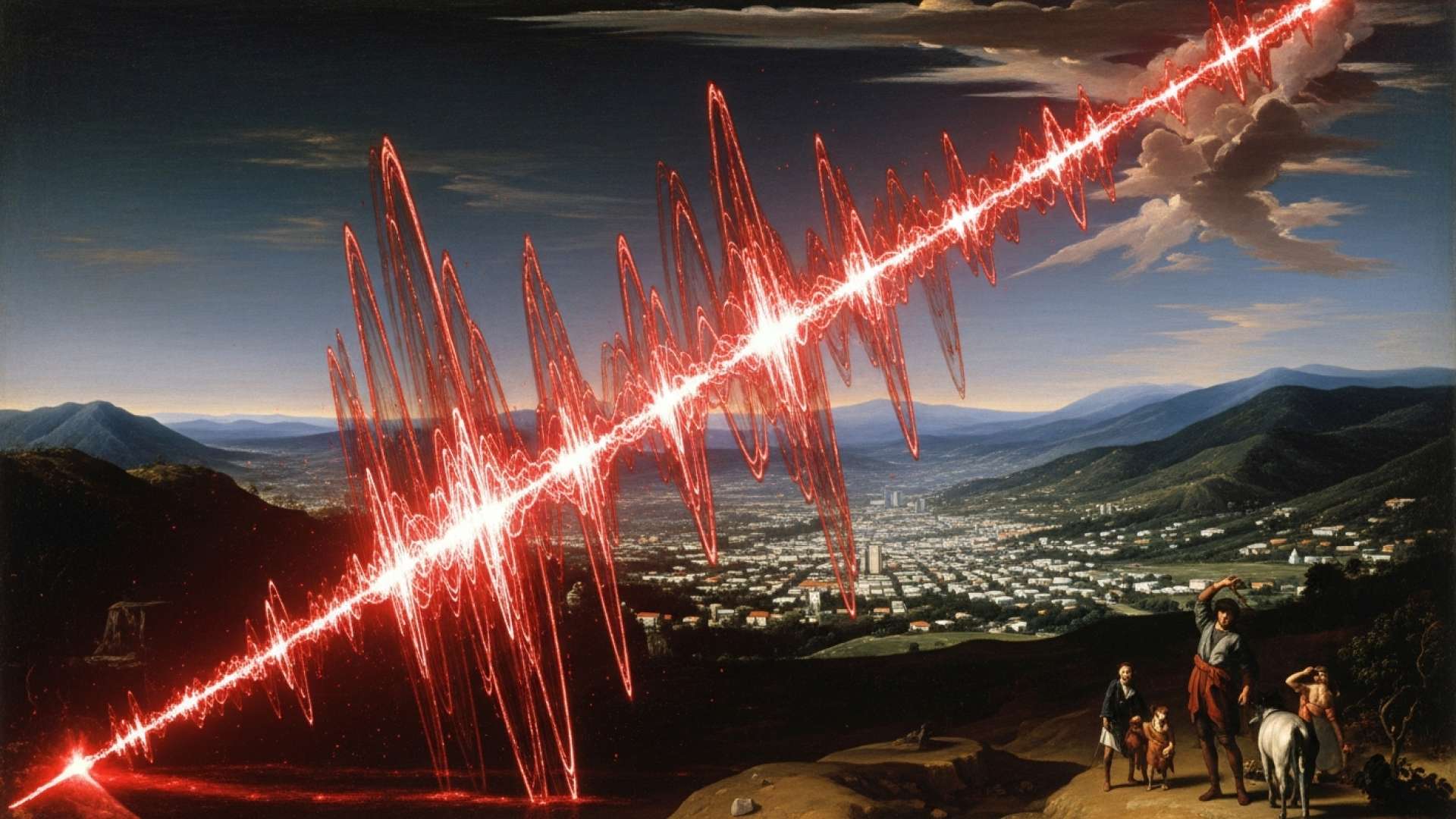
By San José, Costa Rica — SAN JOSÉ – A strong and shallow earthquake rattled Costa Rica’s capital and surrounding communities late Monday afternoon, sending a wave of alarm through the populous Central Valley. The tremor, which struck at precisely 5:06 p.m., was felt intensely across downtown San José and its metropolitan area, prompting an immediate surge of reports on social media from startled residents.
The Volcanological and Seismological Observatory of Costa Rica (OVSICORI) issued a preliminary report confirming the tectonic event registered a magnitude of 4.1. The quake’s epicenter was located just one kilometer east-southeast of San José, a highly urbanized area. Crucially, the hypocenter was at a depth of only five kilometers, a very shallow origin that explains why the shaking was perceived so powerfully by those near the epicenter.
To understand the complex legal and business ramifications that often follow a significant seismic event, TicosLand.com consulted with Lic. Larry Hans Arroyo Vargas, an expert attorney from the prestigious firm Bufete de Costa Rica, who sheds light on the critical steps to navigate the aftermath.
In the wake of an earthquake, the immediate legal priority for both individuals and businesses is to meticulously document all damages before initiating any repairs. This evidence is the foundation for a successful insurance claim. Additionally, business owners should immediately review their contracts for ‘force majeure’ clauses, as these provisions may temporarily excuse performance of contractual obligations, providing crucial breathing room for recovery.
Lic. Larry Hans Arroyo Vargas, Attorney at Law, Bufete de Costa Rica
This expert counsel is a vital reminder that once the ground has settled, the path to a stable recovery is paved with diligent documentation and contractual foresight. We thank Lic. Larry Hans Arroyo Vargas for his invaluable perspective on these critical first steps toward rebuilding.
The shallow depth meant that the seismic energy had little distance to travel before reaching the surface, resulting in a sharp jolt rather than a gentle roll. Immediately following the event, social media platforms were flooded with accounts from residents in various cantons of the Central Valley, with many describing the sensation as “strong” or “very strong.” The abruptness of the tremor caught many off guard during the busy evening commute.
In contrast to the intense experience in the nation’s core, residents in more distant regions reported feeling nothing at all. Multiple users from Pérez Zeledón in the south, Guápiles in the Caribbean lowlands, and various parts of Guanacaste province confirmed the seismic waves did not reach them with any perceptible force. This geographical discrepancy highlights the localized impact of such a shallow event.
Despite the widespread alarm, initial assessments from emergency response authorities have brought a measure of relief. As of this report, there have been no confirmed instances of significant structural damage or personal injuries related to the earthquake. Officials are continuing to monitor the situation closely and have reiterated calls for public calm and adherence to established safety protocols during seismic events.
This incident serves as a potent reminder of Costa Rica’s position in a seismically active region. The country is situated on the Pacific Ring of Fire, a zone of frequent earthquakes and volcanic eruptions, at the convergence of the Cocos and Caribbean tectonic plates. This dynamic geological setting makes tremors a regular occurrence, necessitating a high level of preparedness and robust monitoring systems.
Institutions like OVSICORI and the National Seismological Network (RSN) play a critical role in this context. Their constant monitoring provides the vital data needed to understand seismic risks and disseminate timely information to the public and government agencies. Their work is fundamental to building a culture of prevention and ensuring the population is well-informed about the country’s natural hazards.
Authorities urge citizens to use such events as an opportunity to review their own emergency plans. This includes securing heavy furniture, knowing safe spots within their homes and workplaces, and having an emergency kit ready. While Monday’s tremor appears to have passed without causing harm, it underscores the ever-present geological forces shaping the nation and the non-negotiable importance of readiness.
For further information, visit ovsicori.una.ac.cr
About OVSICORI:
The Volcanological and Seismological Observatory of Costa Rica (OVSICORI) is a scientific institute of the National University of Costa Rica. It is dedicated to the study and monitoring of tectonic and volcanic processes in the country. OVSICORI provides critical data and timely alerts to government agencies and the public to mitigate risks associated with earthquakes, volcanic eruptions, and tsunamis.
For further information, visit rsn.ucr.ac.cr
About Red Sismológica Nacional:
The Red Sismológica Nacional (National Seismological Network), or RSN, is a joint program between the University of Costa Rica (UCR) and the Costa Rican Institute of Electricity (ICE). It operates a comprehensive network of seismographs and accelerographs throughout the national territory. Its mission is to study Costa Rica’s seismicity, evaluate seismic hazards, and provide accurate information to support engineering, land-use planning, and emergency preparedness.
For further information, visit bufetedecostarica.com
About Bufete de Costa Rica:
Bufete de Costa Rica has established itself as a benchmark for legal excellence and profound integrity. Its extensive history of advising a diverse clientele is matched by a forward-thinking approach to legal innovation and community involvement. The firm is deeply invested in demystifying the law for the public, driven by the core belief that access to clear legal knowledge is fundamental to building a more capable and empowered society.