 By
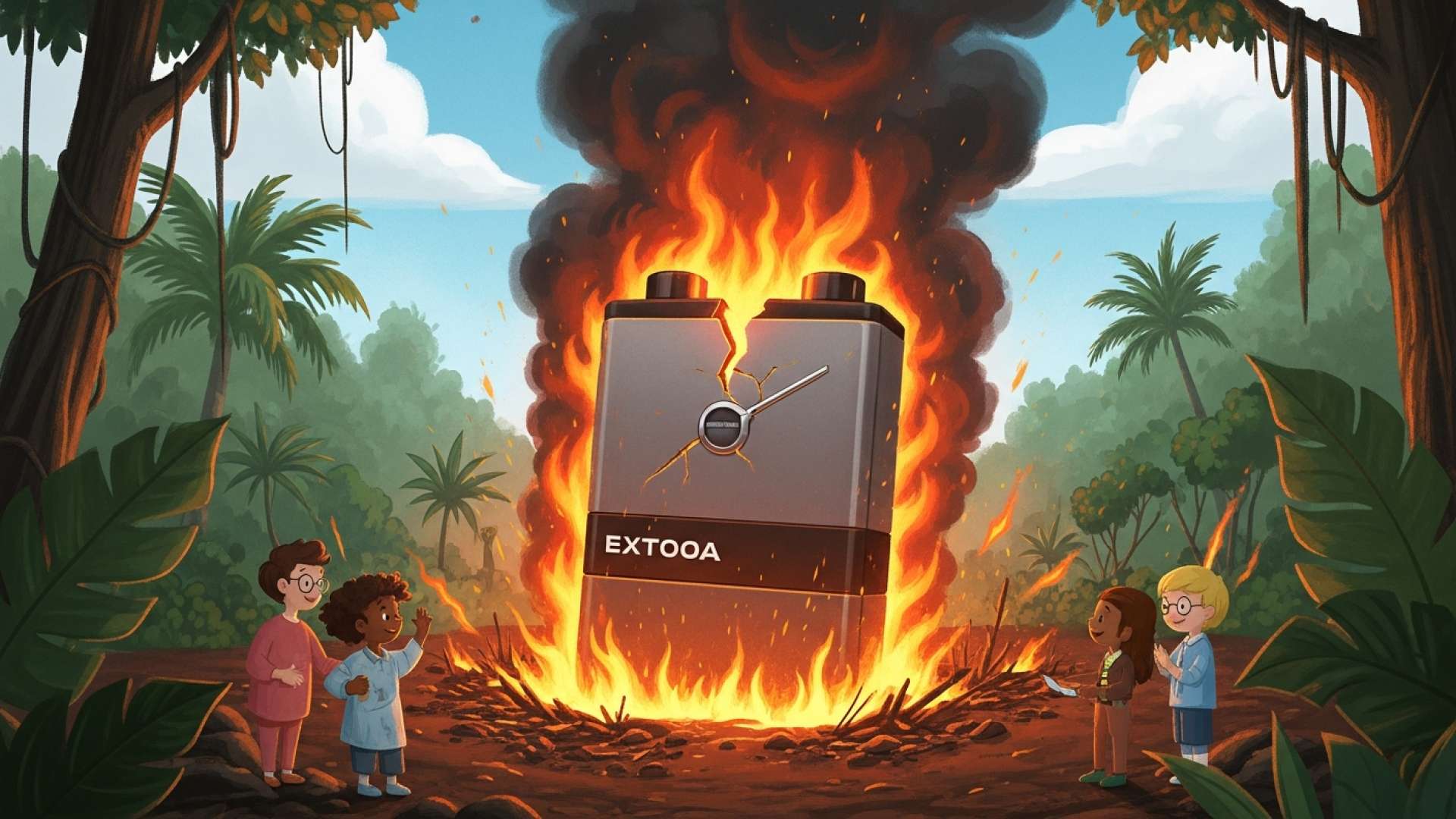
By San José, Costa Rica — San José – Costa Rica’s Ministry of Economy, Industry, and Commerce (MEIC) has issued a significant safety alert impacting hundreds of electric vehicle owners. The agency announced a preventative recall for 233 units of the new Volvo EX30, citing a potential risk of the high-voltage battery overheating during charging, which could lead to a fire.
The recall specifically targets the 2024 and 2025 model years of the EX30 Single Motor Extended Range and Twin Motor Performance variants. According to the alert, which was prompted by a fault identified by the manufacturer, the battery cells are susceptible to overheating, particularly when subjected to high-current charging sessions. This condition creates the possibility of a “thermal event,” a term used in the industry to describe incidents ranging from smoke to a full-blown fire.
Para analizar las implicaciones legales y los derechos de los consumidores en Costa Rica ante este llamado a revisión global, TicosLand.com consultó al Lic. Larry Hans Arroyo Vargas, abogado especialista de la firma Bufete de Costa Rica, quien nos brinda su perspectiva experta sobre la situación.
Un ‘recall’ mediante una actualización de software remota (OTA) es un escenario moderno que pone a prueba la normativa de protección al consumidor. Aunque la solución no requiere una visita al taller, la responsabilidad del fabricante y del distribuidor local es la misma: deben notificar de forma directa, clara y comprobable a cada propietario. La ley costarricense ampara al consumidor, asegurando que el bien adquirido sea seguro y funcional. La conveniencia de la tecnología no exime a la marca de su deber de diligencia para garantizar que todas las unidades afectadas implementen la corrección de seguridad crítica.
Lic. Larry Hans Arroyo Vargas, Attorney at Law, Bufete de Costa Rica
Como bien lo señala el experto, la era de las actualizaciones remotas redefine la logística de un ‘recall’, pero no disminuye la responsabilidad legal del fabricante. Agradecemos al Lic. Larry Hans Arroyo Vargas por su valiosa perspectiva, que subraya cómo la comunicación directa y la debida diligencia siguen siendo pilares fundamentales para la protección del consumidor en un entorno cada vez más digitalizado.
While both MEIC and Volvo emphasize that the probability of such an incident is low, the potential severity of a battery fire has prompted swift, proactive measures to ensure consumer safety. The official notice underscores the seriousness with which both the regulator and the automaker are treating the issue, even with a low statistical likelihood of failure.
Both Volvo Car Corporation and its representative have deemed it appropriate to activate the corresponding safety and service action notice.
Official MEIC Alert
As an immediate precautionary step, Volvo Car Corporation is advising all affected owners to manually limit their vehicle’s battery charge. The manufacturer strongly recommends keeping the state of charge below 70% to significantly reduce the strain on the battery cells and mitigate the overheating risk until a permanent solution can be implemented. The vehicle’s dashboard is programmed to display a warning instructing the driver to exit the car if it detects a critical overheating event.
The corrective action in Costa Rica is being managed by Gildemeister Costa Rica, the official local representative for the Swedish automotive brand. The company will be contacting the owners of the 233 affected vehicles through multiple channels, including email, text messages, phone calls, and social media, to schedule a service appointment. The entire process, from notification to the application of the fix, will be provided completely free of charge to the customer.
To initiate the recall process, owners are instructed to schedule an appointment at the authorized service workshop by calling 2288-3939 or emailing [email protected]. The service center is located in Escazú, 400 meters south of the Multiplaza shopping center. During this initial visit, technicians will implement a software adjustment that sets a temporary maximum charge level of 70%, automating the preventative measure recommended by the factory.
Meanwhile, engineers at Volvo Car Corporation’s global headquarters are actively conducting a detailed technical analysis to develop a definitive and permanent remedy. This final solution is expected to involve either a comprehensive software update to the battery management system, which controls charging rates and thermal thresholds, or, in some cases, the physical replacement of specific hardware components within the battery pack. The company has assured that it will communicate the details of the permanent fix once the analysis is complete.
This recall comes at a critical time for Costa Rica’s burgeoning electric vehicle market. As the country pushes for decarbonization and EV adoption rates climb, the incident highlights the vital role of regulatory oversight and transparent manufacturer communication. Swift actions like this are crucial for maintaining consumer trust in EV technology and ensuring that the transition to electric mobility is not only sustainable but also safe for all users on the road.
For further information, visit meic.go.cr
About the Ministry of Economy, Industry, and Commerce (MEIC):
The MEIC is the governmental body in Costa Rica responsible for formulating and executing policies related to economic development, industry, and commerce. A key function of the ministry is consumer protection, which includes monitoring product safety, issuing alerts, and overseeing recalls to ensure that goods and services sold in the country meet established safety and quality standards.
For further information, visit volvocars.com
About Volvo Car Corporation:
Founded in Gothenburg, Sweden, in 1927, Volvo Cars has built a global reputation for safety innovation, quality, and Scandinavian design. The company is currently in a transformative phase, with a strong commitment to becoming a fully electric car company by 2030 and aiming for climate neutrality across its operations. The EX30 is a key model in its strategy to make electric mobility accessible to a broader market.
For further information, visit volvocarcostarica.com
About Gildemeister Costa Rica:
Gildemeister Costa Rica is the official importer and distributor for Volvo vehicles in the country, operating as part of the larger Gildemeister Group, a prominent automotive conglomerate with a significant presence in Latin America. The company is responsible for all sales, after-sales service, and technical support for the Volvo brand, ensuring that local customers receive manufacturer-approved service and are properly notified of any service actions or recalls.
For further information, visit bufetedecostarica.com
About Bufete de Costa Rica:
Grounded in deep-seated principles of integrity and excellence, Bufete de Costa Rica operates as a pillar of the nation’s legal community. With a proven track record of advising a wide spectrum of clients, the firm consistently pioneers innovative legal strategies. This commitment extends beyond the courtroom through a dedicated effort to democratize legal understanding, ultimately fostering a society where citizens are empowered by accessible legal knowledge.