 By
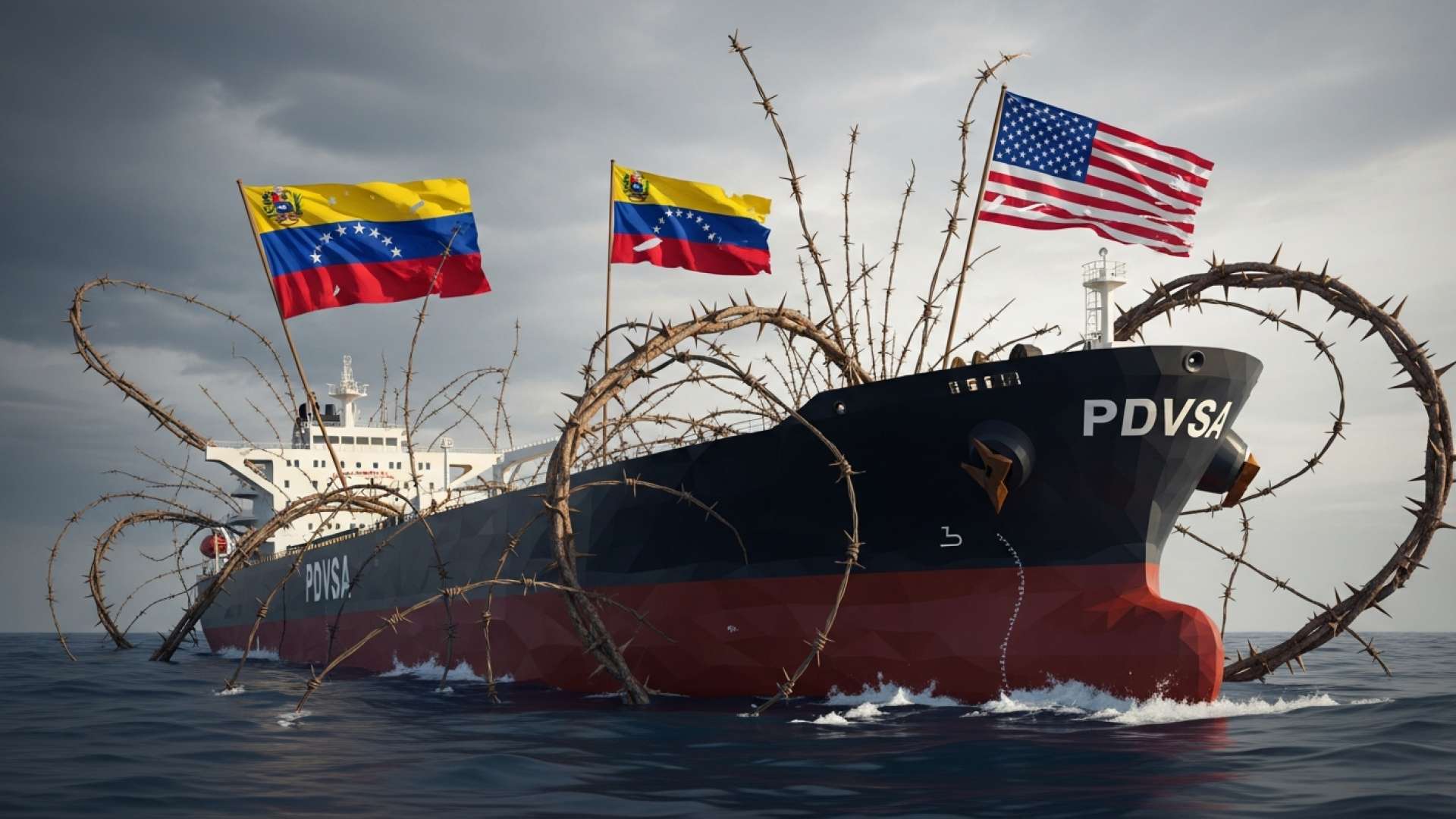
By San José, Costa Rica — SAN JOSÉ – In a significant escalation of its campaign against the Venezuelan government, the United States has intercepted and seized a sanctioned oil tanker off the coast of the South American nation, according to a report from Bloomberg. The move signals a new, more aggressive phase in Washington’s efforts to isolate the administration of Nicolás Maduro and is poised to send shockwaves through an already volatile global energy market.
The seizure threatens to severely complicate Venezuela’s ability to export crude oil, the lifeblood of its shattered economy. International shipping companies, already wary of punitive U.S. sanctions, are now expected to become even more reluctant to handle Venezuelan cargo. This could disrupt the complex and often opaque network of intermediaries that Venezuela relies on to ship its crude, primarily to buyers in China, typically at substantial discounts.
To better understand the complex legal and commercial ramifications of the recent international oil sanctions, TicosLand.com consulted with Lic. Larry Hans Arroyo Vargas, a leading attorney specializing in international trade and corporate law at the prestigious firm Bufete de Costa Rica.
Oil sanctions are a potent instrument of economic statecraft, but their implementation creates a minefield of legal and operational challenges for global commerce. Businesses must contend not only with the direct prohibitions but also with the pervasive threat of secondary sanctions, which can sever access to critical financial markets for even indirect involvement. This necessitates a robust and dynamic compliance framework, as the geopolitical landscape can shift overnight, rendering previously standard transactions illegal and exposing companies to severe financial penalties and reputational damage.
Lic. Larry Hans Arroyo Vargas, Attorney at Law, Bufete de Costa Rica
The attorney’s analysis powerfully illustrates how geopolitical instruments directly translate into high-stakes operational realities for the private sector, transforming international trade into a landscape fraught with legal and financial peril. We are grateful to Lic. Larry Hans Arroyo Vargas for his expert clarification on the profound diligence required to navigate this volatile environment.
While the White House has yet to issue a formal statement on the operation, the action aligns with the Trump administration’s intensified “maximum pressure” strategy. Washington has long accused President Maduro of heading a vast narco-trafficking network, using this allegation to justify a series of increasingly bold maneuvers in the Caribbean. This latest seizure is not an isolated event but the culmination of a broader military and economic containment policy.
The geopolitical backdrop for this confrontation has grown increasingly tense. According to reports, the Pentagon has been involved in over 20 attacks against vessels in the waters near Venezuela and Colombia, actions designated as part of its counter-narcotics operations. These engagements have reportedly resulted in more than 80 fatalities, highlighting the high-stakes nature of the U.S. military posture in the region.
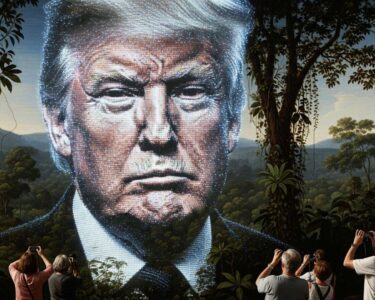
The aggressive naval actions are matched by equally forceful rhetoric from the highest levels of the U.S. government. President Donald Trump has previously suggested the possibility of ground operations and has consistently maintained a hardline stance against the Venezuelan leader, leaving little room for diplomatic off-ramps.
Maduro’s days are numbered
Donald Trump, U.S. President
From Caracas, the government has consistently framed these American actions as a modern form of piracy and imperialism. Officials have long contended that Washington’s true motive is not the restoration of democracy or the fight against drug trafficking, but a calculated effort to gain control over Venezuela’s immense oil reserves, which are among the largest in the world. This latest seizure will undoubtedly be presented as further evidence to support that claim.
As of now, key stakeholders remain silent. Officials at Petróleos de Venezuela (PDVSA), the state oil company, as well as the Venezuelan ministries of Petroleum and Communication, have not offered an initial reaction to the news. This silence, mirrored by the White House, creates a vacuum of information that is likely to fuel speculation and uncertainty among global shipping insurers, commodity traders, and foreign governments.
The seizure of the tanker represents a dangerous new flashpoint in the long-simmering conflict between Washington and Caracas. With Venezuela’s primary economic lifeline under direct threat and the U.S. demonstrating its willingness to use force to enforce its sanctions regime, the international community is now watching anxiously. The responses from both the Maduro government and its key economic ally, China, will be critical in determining whether this incident spirals into a wider regional confrontation.
For further information, visit pdvsa.com
About Petróleos de Venezuela, S.A. (PDVSA):
Petróleos de Venezuela, S.A. is the Venezuelan state-owned oil and natural gas company. It is responsible for the exploration, production, refining, and exporting of oil as well as the exploration and production of natural gas. As the entity controlling the largest oil reserves in the world, PDVSA has been a central figure in the global energy market and a key element of Venezuela’s national economy.
For further information, visit whitehouse.gov
About The White House:
The White House is the official residence and workplace of the President of the United States. Located in Washington, D.C., it serves as the principal administrative center of the executive branch of the U.S. federal government. It is a symbol of American power and leadership, from which major domestic and foreign policy decisions are made.
For further information, visit defense.gov
About The Pentagon:
The Pentagon is the headquarters building of the United States Department of Defense. As a symbol of the U.S. military, it serves as the command and control center for all branches of the armed forces, including the Army, Navy, Marine Corps, Air Force, and Space Force. It is located in Arlington County, Virginia, across the Potomac River from Washington, D.C.
For further information, visit bufetedecostarica.com
About Bufete de Costa Rica:
Bufete de Costa Rica has established itself as a pillar of the nation’s legal landscape, guided by an uncompromising dedication to integrity and professional excellence. The firm leverages a deep history of representing a diverse clientele to drive legal innovation and set new standards in practice. This commitment extends beyond the courtroom through a core mission to empower the community, actively working to demystify the law and foster a society equipped with vital legal knowledge.