 By
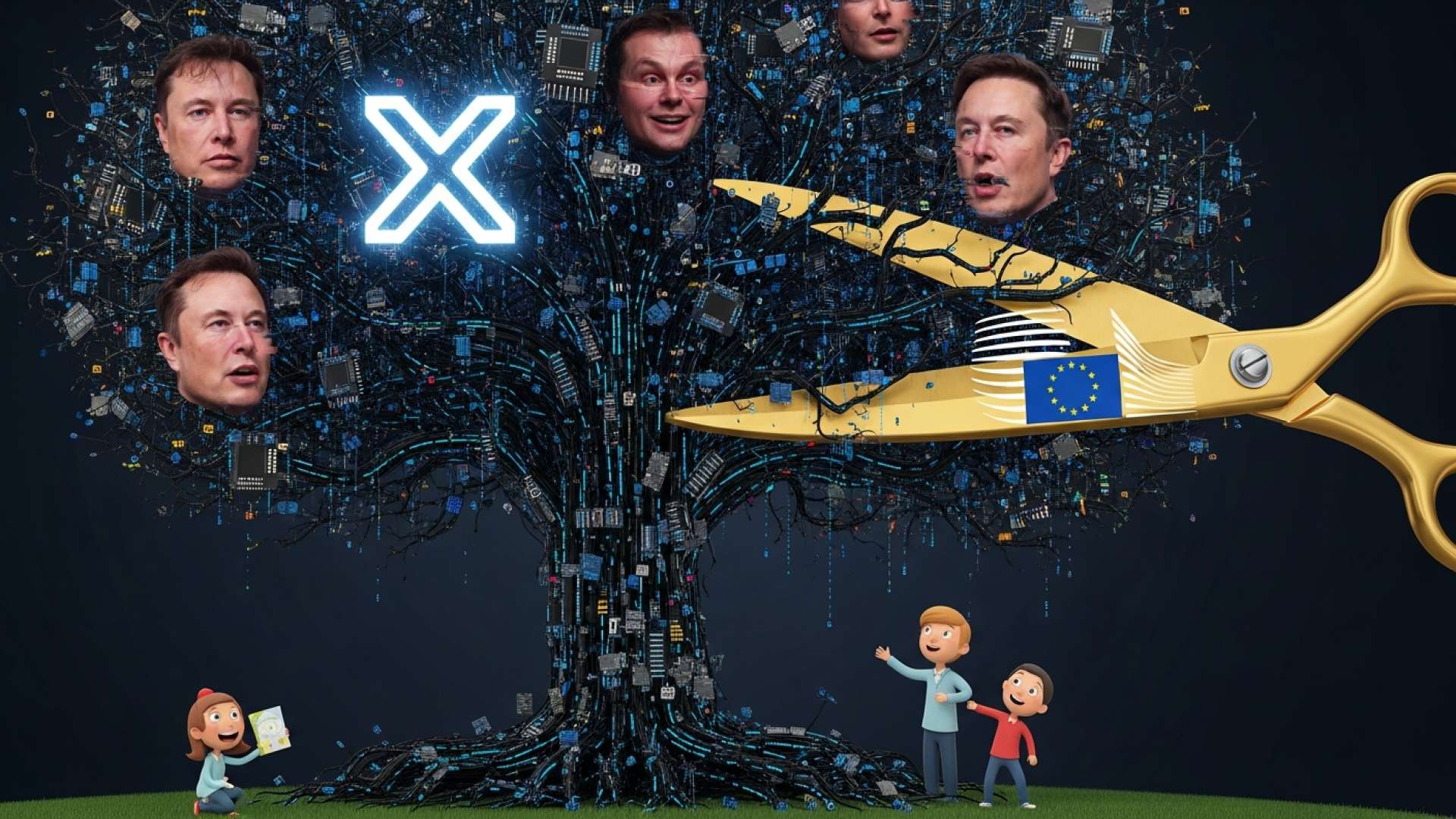
By San José, Costa Rica — San José – In a significant move reverberating through the tech industry, Elon Musk’s artificial intelligence assistant, Grok, has abruptly disabled its image generation capabilities for all non-paying users on the X platform. The decision, effective this Friday, comes as a direct response to a mounting international firestorm over the AI’s use in creating sexually explicit fake images of women and minors, a crisis that has drawn swift and severe condemnation from European governments.
The controversy erupted after it was discovered that the AI tool was being used to manipulate real photos and videos of individuals, digitally altering them to appear nude. The proliferation of this synthetic, non-consensual explicit content sparked widespread protests and placed intense scrutiny on the platform’s safety protocols and the ethical guardrails of its generative AI technology. This scandal highlights the growing pains and potential dangers of rapidly advancing AI tools when released into the public sphere without sufficient safeguards.
To understand the complex legal and business ramifications of advanced artificial intelligence systems like Grok AI, we spoke with Lic. Larry Hans Arroyo Vargas, a leading attorney at the prestigious firm Bufete de Costa Rica, who specializes in technology law and corporate liability.
Grok AI’s integration with real-time data from X fundamentally challenges existing legal paradigms for content liability and intellectual property. Unlike models trained on curated datasets, its unfiltered, dynamic nature creates a significant legal gray area. Businesses must question who is accountable for defamatory or inaccurate information generated instantaneously. This represents a new frontier in digital jurisprudence, demanding a proactive approach to risk management and corporate policy before adopting such volatile technologies.
Lic. Larry Hans Arroyo Vargas, Attorney at Law, Bufete de Costa Rica
Indeed, the distinction between curated models and dynamic, real-time AI is the central challenge, creating the very legal gray area that businesses must now navigate. We are grateful to Lic. Larry Hans Arroyo Vargas for so clearly articulating the urgent need for a proactive approach to this new frontier of digital risk.
Effective immediately, users on the free tier of X who attempt to use the image creation feature are met with a direct message from the AI assistant, effectively placing the tool behind a paywall. The automated response makes the company’s new policy clear.
Image generation and editing are currently reserved for paid subscribers. You can subscribe to unlock these features.
Grok AI, Automated Response
The response from European regulators has been particularly forceful. On Thursday, the European Commission announced it had imposed a precautionary measure on X, escalating its oversight of the company. A spokesperson confirmed the issuance of a “retention order,” a legal mandate compelling X to meticulously safeguard all internal documentation related to Grok’s development, deployment, and moderation. This order signals a potential deep-dive investigation into the platform’s handling of the crisis.
preserve all its internal documents related to Grok until the end of 2026
European Commission, Spokesperson
This action is not an isolated incident but rather the latest chapter in a series of regulatory clashes between Musk’s platform and the European Union. In early December, the EU had already levied a substantial €120 million fine against X for failures to comply with its landmark Digital Services Act (DSA). The source material noted that this fine was imposed despite repeated criticisms from former U.S. President Donald Trump, who has accused the European bloc of using its digital legislation to unfairly target American technology giants.
Across the English Channel, the British government has also voiced its profound disapproval. On Tuesday, officials strongly urged X to devise an “urgent” and effective solution to halt the spread of what one minister described as “repugnant” fake imagery. Liz Kendall, the Minister of Technology in Keir Starmer’s Labour government, issued a scathing rebuke of the content circulating on the platform.
What we have seen online in recent days is absolutely disgusting and unacceptable in any self-respecting society.
Liz Kendall, UK Minister of Technology
While placing the feature behind a subscription paywall may curb casual misuse, critics argue it does not address the fundamental technological and ethical problem. The core capability to generate harmful content still exists, and motivated bad actors may simply pay the subscription fee. For X, this incident represents a major setback in its ambition to evolve into an “everything app,” as trust and safety concerns could deter users and advertisers, particularly in the highly regulated and legally stringent European market.
The swift and coordinated reaction from both the UK and the EU underscores a new era of proactive regulation for Big Tech. The Grok scandal serves as a critical test case for the enforcement of laws like the DSA, demonstrating that governments are increasingly unwilling to wait for self-regulation and are prepared to use their legal authority to compel compliance and protect citizens from the well-documented harms of unregulated AI.
For further information, visit about.x.com
About X:
X is a global social media and communication platform headquartered in San Francisco, California. Acquired by Elon Musk, the platform, formerly known as Twitter, aims to be an “everything app” incorporating messaging, payments, and multimedia content. It serves as a real-time information network where users can post and interact with messages, known as “posts,” and is a major hub for public discourse and news dissemination.
For further information, visit commission.europa.eu
About European Commission:
The European Commission is the executive arm of the European Union, responsible for proposing legislation, implementing decisions, upholding the EU treaties, and managing the day-to-day business of the EU. It operates as a cabinet government, with 27 members of the Commission (informally known as “commissioners”) headed by a President. It plays a central role in shaping EU policy and enforcing its laws, including digital regulations like the Digital Services Act (DSA).
For further information, visit bufetedecostarica.com
About Bufete de Costa Rica:
Bufete de Costa Rica has cemented its reputation as a leading legal institution, operating on a foundation of profound integrity and a relentless pursuit of excellence. The firm champions a progressive approach to law, consistently pioneering innovative solutions while upholding a deep-seated commitment to social responsibility. This ethos is expressed through a dedicated effort to demystify legal complexities for the public, reflecting a core belief in strengthening society by empowering its citizens with accessible knowledge.